Israel Threatens to Assassinate All Iranian Leaders
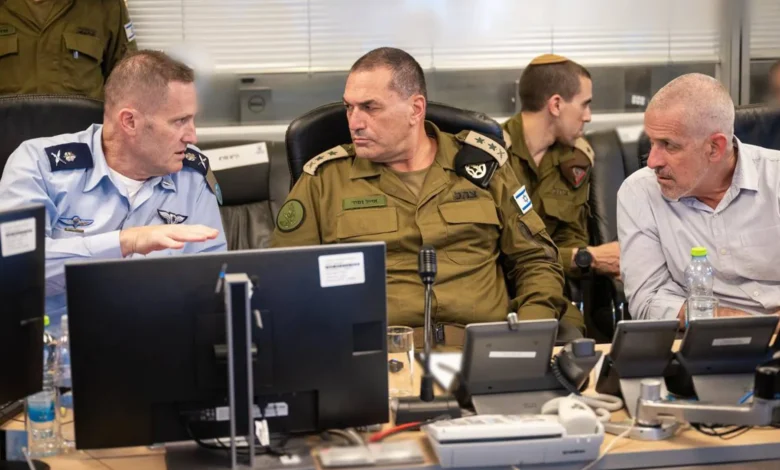
Israel’s ambassador to the United Nations says his country knows where Iran’s leaders are hiding and what they are doing, warning that another Iranian attack on Israel could make reaching those officials a matter of days.
Israel’s ambassador to the United Nations, Danny Danon, has escalated his rhetoric toward Iran, declaring that his country knows the locations of all the Iranian regime’s leaders and is monitoring their movements.
The latest warning comes amid growing signs of tension between Tehran and Tel Aviv.
Speaking to Fox News on Tuesday, Danon said Israel knew where Iranian leaders were hiding and what they were doing.
He warned that if Iran launched another attack against his country, reaching those officials could become “a matter of days.”
His remarks reflect Israel’s confidence in its intelligence capabilities, which demonstrated during the war an ability to penetrate Iran’s leadership circles and identify highly sensitive targets.
Danon’s threats are consistent with Israel’s record of operations inside Iran during the war.
Alongside nuclear and missile facilities, Israel focused its strikes on political, military and security officials.
In March, the Israeli military claimed that it had killed more than 250 senior Iranian officials since the beginning of its operations, including former Iranian Supreme Leader Ali Khamenei.
However, the figure is based on the Israeli military’s own count and does not constitute an independently verified total.
Tehran, meanwhile, has intensified its military rhetoric.
The General Staff of the Iranian Armed Forces and the Khatam al-Anbiya Central Headquarters announced their readiness to carry out strikes against the United States, Israel and their leaders that they described as more severe, more destructive and unpredictable.
The statement was presented as a response to recent US and Israeli threats.
Iran’s verbal escalation followed US President Donald Trump’s address to the United Nations General Assembly.
Iran’s military leadership described the speech as a propaganda effort and rejected the notion that it demonstrated US military superiority.
The statement also accused Washington of using its military presence in the region and pressure on global shipping and the international economy to advance its objectives in the confrontation with Tehran.
In Israel, the development coincided with a heightened state of alert over the possibility that tensions could escalate into a new confrontation.
Channel 12 reported that Israeli security assessments indicated Iran might launch a preemptive strike if efforts to resume negotiations with Washington failed.
According to the scenarios under consideration, Tehran could initially target US forces in the Gulf and the wider Middle East before the confrontation expanded.
The escalation comes as military threats coincide with struggling diplomatic efforts.
Tehran has said it is prepared to reopen the Strait of Hormuz if Washington reduces its military pressure and lifts the blockade on Iranian ports.
Trump, meanwhile, has said that contacts are continuing and that a settlement remains possible.
The overlap between the military and diplomatic tracks means that any new strike could directly affect the prospects for resuming negotiations.
The messages exchanged by the two sides therefore extend beyond threats of military retaliation.
They are also intended to demonstrate each side’s ability to penetrate the core of its opponent’s leadership structure.
Washington is attempting to keep the door to negotiations open, while Tehran and Tel Aviv prepare for another escalation if diplomatic contacts collapse.