Mass Displacement in Western Yemen: More Than 180,000 People Flee in Two Weeks
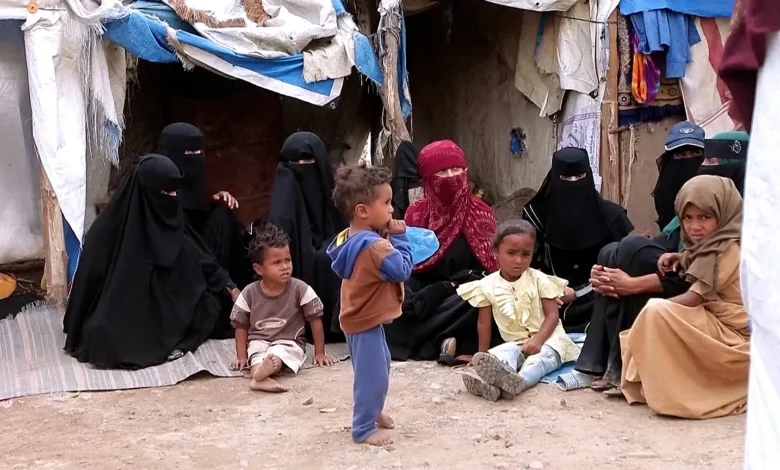
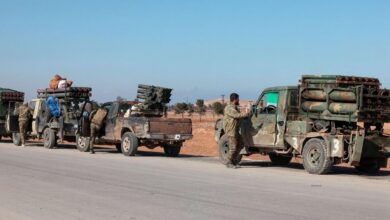
As fighting intensifies in southern Taiz and western Lahj governorate in western Yemen, thousands of civilians continue to flee the country’s western coastal regions, particularly areas into which Houthi militias have advanced.
According to data from the government’s Camp Management Unit, more than 180,000 civilians had fled areas affected by the Houthi-led escalation as of September 23. They have been displaced across ten governorates under the control of the internationally recognised government.
Taiz topped the list of host governorates, receiving 13,409 displaced families comprising 93,917 people. It was followed by Lahj with 5,782 families, Aden with 3,741, Abyan with 2,157 and Hodeidah with 471. Hundreds of additional families have also arrived in the governorates of Marib, Al-Dhalea, Al-Mahra, Hadramout and Shabwa.
The report said the sudden and forced nature of the displacement had prevented most families from securing their basic needs, widening the humanitarian gap and weakening the capacity of host communities to respond.
Field assessments revealed acute and critical shortages of emergency shelter supplies, food, clean drinking water, and water and sanitation services. Healthcare and protection services for the most vulnerable groups have also deteriorated, particularly those intended for children, women, older people and persons with disabilities.
In response to the worsening situation, the Camp Management Unit renewed its urgent humanitarian appeal to local authorities, international and UN organisations, and donor agencies, calling on them to expedite the delivery of life-saving assistance and activate rapid-response mechanisms without delay.
The Unit stressed the critical importance of providing food parcels, emergency shelter and direct cash assistance. It also called for support for water, healthcare and essential services at newly established displacement sites and settlements, with the aim of alleviating the suffering of those affected and preserving their human dignity.