Implementing the European Parliament’s Resolution on the Muslim Brotherhood Requires Financial and Judicial Oversight and Clear Standards for Institutional Participation
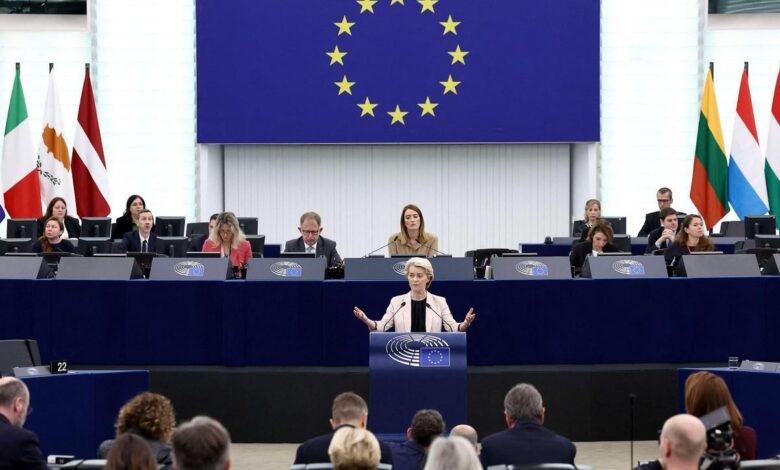
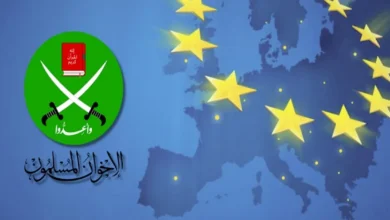
The resolution adopted by the European Parliament on 8 October 2026 to counter the influence of the Muslim Brotherhood network marks a new stage in the European debate over how to address cross-border organisations and networks, particularly where political and financial activities overlap with civic and educational work. Its significance lies in bringing together five main issues: reviewing certain organisations’ participation in European institutions, disclosing European funding received by entities under suspicion, assessing individuals and entities for terrorist listing in accordance with the law, strengthening security and judicial cooperation and oversight of foreign funding, and countering efforts to recruit young people through digital platforms and educational environments.
These connections show that a single measure will not address the issue effectively. Reviewing grants is insufficient without mechanisms to trace cross-border transfers. Scrutinising institutional relationships does not replace legal assessment where suspicions warrant investigation. Likewise, efforts to counter recruitment cannot achieve their objectives if they rely solely on security intervention without investment in prevention and education.
The next phase following adoption of the resolution should therefore focus on identifying the authorities responsible for implementation, establishing review schedules, developing indicators to measure results and ensuring mechanisms to challenge decisions affecting the rights of institutions or individuals. Any successful common European policy must combine effectiveness, transparency and accountability.
First: Establishing Common Standards for Organisations’ Participation
The first step is to define the standards governing civil society organisations’ participation in European institutions, official events and consultation programmes. The resolution raised the issue of organisations linked to the Council of European Muslims, including the Forum of European Muslim Youth and Student Organisations, or FEMYSO, amid concerns over possible relationships with Muslim Brotherhood networks.
This requires rules distinguishing legitimate civic participation from relationships that may create conflicts of interest or warrant further review. An association’s participation in a European conference or implementation of a youth project does not establish unlawful activity. Nor does cooperation with another institution necessarily indicate shared organisational leadership.
Reviews should therefore focus on verifiable information, such as an organisation’s governance structure, funding sources, partnerships and compliance with the conditions of the programmes in which it participates. If serious indications suggest inaccurate information or undisclosed relationships that should have been declared, the competent authority can initiate a targeted review.
Participation standards should be public and applied to all organisations operating under comparable circumstances, regardless of their religious or political backgrounds. Those concerned should also have an opportunity to respond to the information underpinning decisions, helping to reduce errors and strengthen confidence in the procedures.
This does not mean that European institutions are required to offer identical opportunities to every association.