Is Burhan Trading Sudanese Territory for Egyptian Support? el-Sisi Expands His Influence as Gold Raises Questions About Sovereignty and the Cost of War
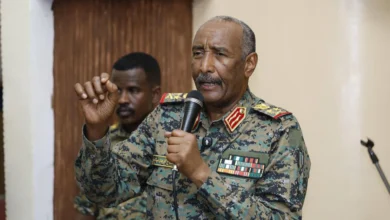
Questions are mounting over the nature of the relationship between Abdel Fattah el-Sisi and Abdel Fattah al-Burhan as Sudan’s war continues and Egypt steps up its political support for the Sudanese army. Concerns are growing that the Sudanese leadership’s need for outside assistance could pave the way for strategic concessions involving the country’s territory and natural resources. While there is no documented evidence that Burhan has sold Sudanese land to el-Sisi in exchange for military or political support, the convergence of security and economic interests between Cairo and Sudan’s military leadership warrants serious discussion about what Egypt might receive in return for backing the army, and about the scope of arrangements negotiated beyond public scrutiny and civilian institutional oversight.
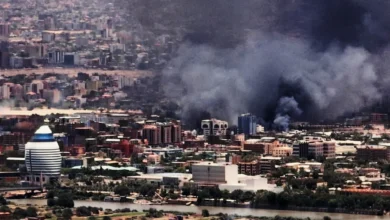
These questions are particularly significant as Sudan faces one of the most turbulent periods in its modern history. The war that erupted in April 2023 has developed into a protracted conflict, draining state institutions, the economy and society while opening the door to multiple regional interventions. Under such circumstances, decisions concerning security, borders and natural resources become especially sensitive, particularly when made by a leadership that relies on external support to sustain the war. This raises a fundamental political question: does Egyptian-Sudanese cooperation remain grounded in mutual interests that preserve Sudan’s independent decision-making, or could the continuation of the war foster unequal arrangements in which Sudanese territory and resources become part of the price of foreign support?
el-Sisi and Burhan: Sustained Political Support and Interests Beyond Official Statements
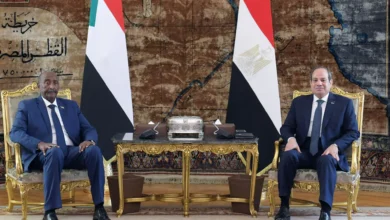
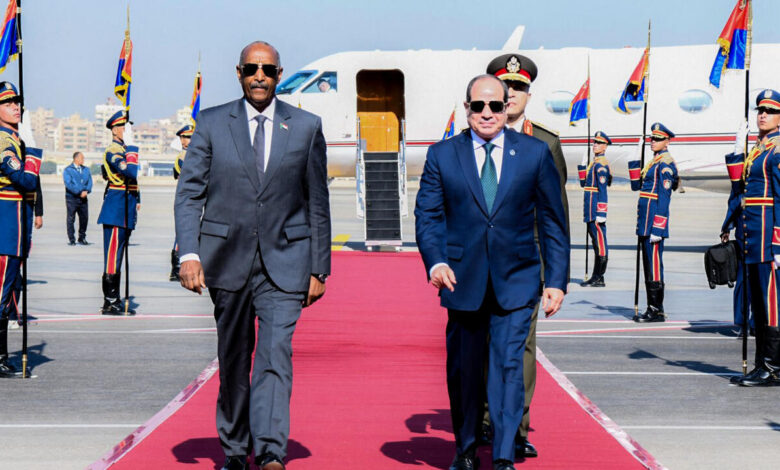
Official meetings between el-Sisi and Burhan demonstrate continued coordination between Cairo and the Sudanese leadership. On October 4, 2026, el-Sisi received Burhan in New Alamein. According to the Egyptian presidency, the talks addressed developments in Sudan’s crisis, the preservation of the country’s unity, sovereignty and territorial integrity, and stronger economic ties and bilateral cooperation. Burhan also praised Egypt’s political and humanitarian support for the Sudanese people. These details demonstrate a close political relationship, but they do not, in themselves, establish the existence of a secret agreement concerning territory or resources.
Nevertheless, this relationship cannot be assessed solely through diplomatic statements. Cairo views Sudan as central to its security calculations, given their shared border of more than 1,200 kilometres, their common stakes in Nile water issues, and the importance of stability in the Red Sea region and the Horn of Africa. The Sudanese army, meanwhile, needs political, military and logistical support in its fight against the Rapid Support Forces, creating overlapping interests between the two sides. In February 2026, Reuters reported indications of a deepening Egyptian role in the war, citing information about the deployment of advanced drones near the border, along with statements and information obtained from officials and experts. These developments underscore the importance of scrutinising military cooperation between the two countries, without assuming that it necessarily includes a deal to surrender territory.
Sudanese Territory Under Scrutiny: Is There an Undisclosed Bargain?
One of the gravest risks arising from Sudan’s war is that the need for external support could become a means of reshaping interests within the country without allowing Sudanese citizens to participate in decisions that determine their future. When military leaders depend continuously on weapons, intelligence and political backing, any strategic agreements with supporting states must be subject to transparency and legal oversight, especially if they concern territory, natural resources or facilities of security importance. From this perspective, questions about possible Sudanese concessions to Egypt in exchange for its support for Burhan are legitimate. However, this remains a political hypothesis that must not be presented as established fact unless documents, agreements or credible testimony emerge to substantiate such a bargain.
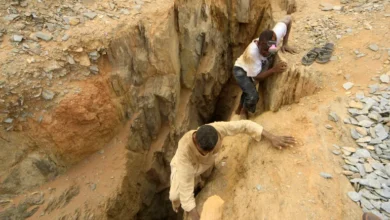
The issue is made more sensitive by historical border disputes, foremost among them the dispute over the Halaib, Shalateen and Abu Ramad triangle, as well as recurring tensions over mining areas near the border. Recent press reports have highlighted the fragility of the border situation and relayed Sudanese accusations that Egyptian forces carried out strikes against artisanal mining sites. In a report published by Al Jazeera in October 2026, the Emergency Lawyers group accused the Egyptian army of targeting a mining site in northern Sudan, saying the strike had killed dozens of people. These remain allegations attributed to the group; the events on the ground and the determination of responsibility require an independent investigation.
Sudanese Gold: A National Asset or a Bargaining Chip in a Struggle for Influence?
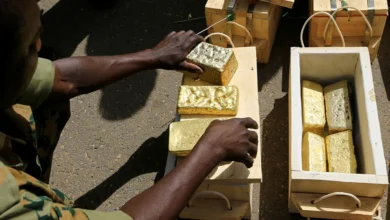
Questions about the future of Sudanese territory are inseparable from gold’s growing importance in the war economy. The collapse of large sections of the economy and the weakening of oversight institutions have fuelled the expansion of unregulated mining and increased smuggling. Mineral resources have consequently become highly valuable to actors seeking to finance their activities or extend their influence. Border areas carry additional significance because of their vast size and the difficulty of monitoring them, making them arenas of competition among local miners, smuggling networks and forces seeking to establish security control.
In this context, the mere presence of Egyptian military operations near gold mining sites does not prove that Cairo is seeking to seize Sudan’s wealth. It does, however, make it essential to clarify the nature of those operations, their geographical scope and their actual objectives. It also places a responsibility on Sudan’s leaders to explain their position on any actions affecting national sovereignty and to provide transparent information about border and economic arrangements with Egypt. Natural resources belong to the Sudanese people and should not become bargaining chips in undisclosed negotiations within a military conflict that is costing civilians their lives and livelihoods.
The Cost of War: Who Pays When Support Becomes Dependence?
The longer the war continues, the greater its cost to Sudan. That cost extends beyond deaths, destruction and displacement to the erosion of society’s ability to scrutinise the military leadership’s political and economic decisions. Protracted war weakens civilian institutions, increases the warring parties’ reliance on external backers and can elevate security priorities above the population’s rights to participation, oversight and accountability. Under such circumstances, the risk of political and economic dependence is a legitimate subject of debate, even in the absence of evidence that territory has been sold or ceded.
For Egypt, support for the Sudanese army can be understood as an effort to protect its borders and prevent instability from spreading. Yet it also gives Cairo greater influence over the future of a strategically important neighbour. This overlap between security and influence makes clear rules for cooperation essential. Such rules should ensure respect for Sudanese sovereignty, prohibit unilateral changes to borders and subject agreements involving resources and strategic facilities to legal and institutional oversight. Without these safeguards, public suspicions may intensify that the war is not merely reshaping power within Sudan, but also redistributing influence at the expense of its independent decision-making.
No Proven Sale of Territory, but Transparency Is a National Imperative
Suggestions that Burhan might exchange Sudanese territory for Egyptian support reflect political concerns rooted in unequal power relations and the continuation of the war. They do not constitute an established fact in the absence of reliable documents confirming such a deal. Nevertheless, the lack of conclusive evidence does not absolve Sudan’s leaders of their responsibility to clarify the nature of their agreements with Cairo. Nor does it justify keeping border issues, gold and military cooperation outside public debate. As Sudan endures a devastating war, it needs safeguards to prevent its vulnerability from being exploited and to protect its territory and wealth from arrangements that escape accountability.
Ultimately, the success of relations between Khartoum and Cairo cannot be measured by the scale of announced support or the number of official meetings. It must be judged by the extent to which Sudan’s independent decision-making is respected and its citizens’ interests are protected. If Egypt maintains that it supports Sudan’s unity and sovereignty, that commitment must be demonstrated through clear, transparent agreements and respect for agreed borders. Sudan’s leaders, for their part, bear the responsibility of proving that external cooperation does not come at the expense of the country’s territory, its wealth or its people’s right to determine their own future.