Harris and the Missed Opportunity: Fading Prospects and Limited Financial Backing Ahead of 2028
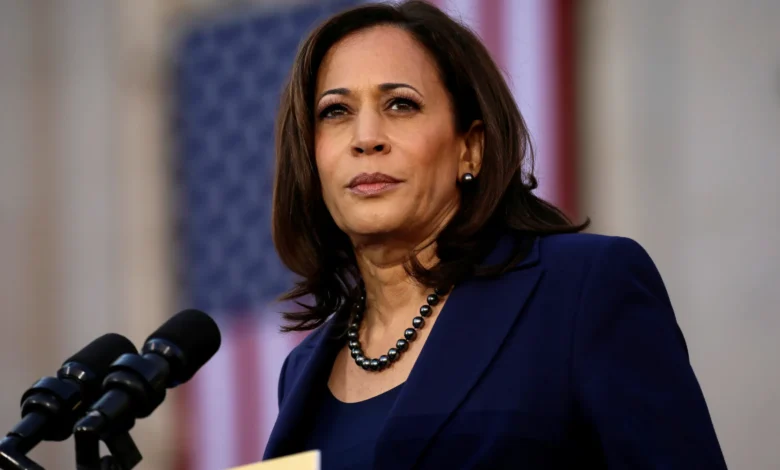
Kamala Harris has offered American voters few details about how she would reshape the Democratic Party, allowing an entire year to slip by as she weighs another presidential bid.
The former US vice president has left the door open to running again in 2028. Yet she has failed to give voters a reason to reconsider her if she decides to enter the race.
Harris has consequently squandered a year and a valuable opportunity to reintroduce herself, according to interviews conducted by Politico with around 20 Democratic donors and strategists in California and across the United States.
“She completely missed the opportunity. She hasn’t immersed herself in the debates and political activity,” said Doug Herman, a leading direct-mail strategist for former President Barack Obama’s 2008 and 2012 campaigns.
Harris has given voters little indication of how she would reshape a Democratic Party eager for change after Republican President Donald Trump’s second term.
Nor has she explained how she would broaden her appeal among voters who previously declined to support her. She has remained characteristically guarded with the media, preferring appearances before sympathetic audiences and sometimes drawing sharp criticism for shutting news organisations out altogether.
According to the same sources, Harris has kept her distance from the internal ideological struggle dividing the Democratic Party. She has behaved more like a veteran of the party’s old guard at a time when voters and donors are demanding a break with the past.
“I don’t see any difference. To me, it looks like more of the status quo,” said former South Carolina Governor Jim Hodges.
“Right now, Democratic primary voters are worried about the possibility of a Trump loyalist occupying the White House in 2028. They want to choose the candidate with the best chance of winning, while meeting certain criteria: a fresh face who isn’t politically worn out,” he added.
Many of Harris’s supporters have reached the same conclusion, including in her home state of California.
Several donors told Politico that they were actively looking for candidates to support and had no desire to see Harris run again.
Even those who remain supportive question whether she can break through.
“I’m considering a range of potential candidates for 2028, and she isn’t necessarily one of them,” said Laurie Black, a San Diego-based donor and longtime Harris supporter.
“That doesn’t mean I don’t think she’s qualified. But I want to support someone who can win in 2028, and I’m not sure she has the momentum this time,” she added.
Another California fundraiser could not name anyone in their circle who wanted Harris to run again.
“She might be able to raise money from grassroots supporters because she has excellent donor lists. But no prominent major donors have expressed an interest in backing her,” the fundraiser said.
For Harris, however, the most troubling development is not that strategists and donors doubt her prospects for 2028, but that they are barely discussing her at all. Her name is conspicuously absent from conversations among other presidential hopefuls, suggesting that very few believe she will actually enter the race or regard her as a serious threat.
Harris has yet to make a final decision.
If she does run, she will benefit from widespread name recognition. She also continues to lead early opinion polls.
The success of her campaign memoir likewise points to enduring goodwill and support across substantial sections of the Democratic base.
Her book, “107 Days”, could have marked a turning point. It gave her an opportunity to remind readers how severely she had been constrained by the compressed campaign she inherited from former President Joe Biden, and to emphasise that she would not face the same limitations in another run.
The book also offered her a chance to redefine herself politically.
Yet although Harris has expressed a desire to reassess her trajectory since leaving office, she has not translated that intention into concrete action. On policy, she has remained on familiar ground, focusing on affordability, artificial intelligence and voting rights — issues she has long championed.
Even so, the few specifics she has offered have sometimes backfired. Her praise for a new AI policymaking initiative prompted widespread criticism on social media, with many viewing her position as disconnected from Americans’ concerns about the technology.
Discussing public policy has never been one of Harris’s strengths. Having faced accusations of delivering “word salads” in previous campaigns, she still tends to rely on broad statements about values and calls for “conversations” on contentious issues rather than stating her position clearly.
Harris also remains guarded towards traditional media, although she has shown greater openness to long-form podcast interviews. Meanwhile, she continues to rely on well-worn anecdotes from her previous campaign speeches.