Iran and Iraq Agree to Expel or Hand Over Kurdish Separatists
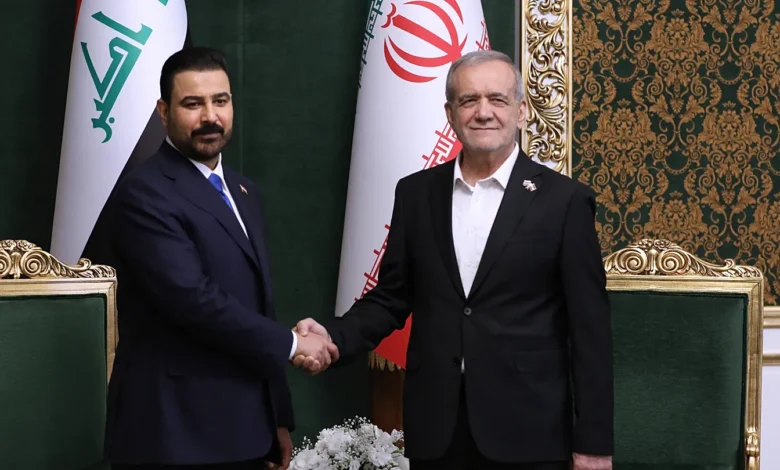
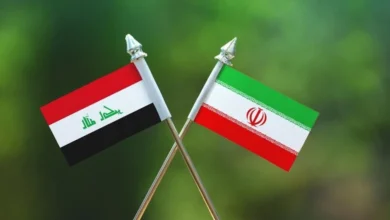
The agreement, announced by Iran’s ambassador in Baghdad following a meeting with Iraq’s national security adviser, is expected to remove Tehran’s pretexts for continuing to violate the sovereignty of Iraq and the Kurdistan Region.
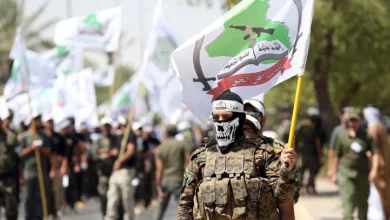
Iran has announced an agreement with Iraq to expel members of Iranian Kurdish opposition groups linked to the Kurdistan Workers’ Party (PKK) from the Kurdistan Region or hand them over to Tehran. The move could help address a security issue that has long strained relations between the two countries. Its repercussions resurfaced with the outbreak of war in the Middle East, and it has also become a pretext for the Islamic Revolutionary Guard Corps to launch attacks violating the region’s territory.
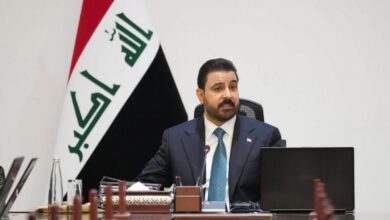
Iranian Ambassador to Baghdad Mohammad Kazem Al-Sadegh said on Tuesday that the agreement was reached during a meeting of the two countries’ joint security committee, attended by the Iranian delegation and Iraq’s national security adviser.
In a post on X, he said the understanding provided for “the expulsion of members of Iranian terrorist separatist groups from the Kurdistan Region of Iraq or their handover to Iran”, adding that the step formed part of bilateral security cooperation.
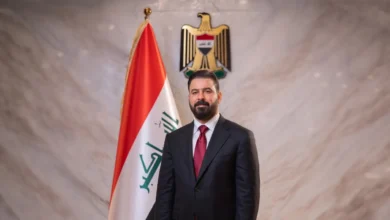
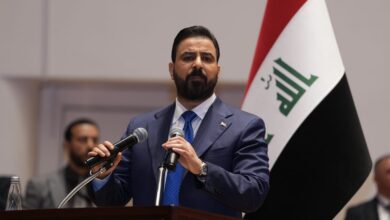
The announcement followed a meeting hosted by the Iraqi National Security Adviser’s office on Monday evening, attended by representatives of the Kurdistan Regional Government, to discuss ways to address security challenges and coordinate the positions of the parties concerned.
An Iraqi statement said discussions focused on practical solutions to implement existing agreements and achieve their objectives, without providing further details about how the groups would be expelled or their members handed over.
The issue dates back to a security agreement signed by Baghdad and Tehran in 2023. Under that agreement, Iraq pledged to strengthen control of their shared border, particularly areas adjoining Iran within the Kurdistan Region, and prevent Iranian Kurdish opposition groups from using Iraqi territory to launch cross-border attacks.
As part of the subsequent arrangements, Iraqi authorities worked to disarm the groups, move their members away from border areas and relocate them to camps.
The agreement did not, however, permanently resolve Iran’s concerns. Tehran resumed attacks on Kurdish opposition positions inside the region after war broke out in the Middle East in late February, when the United States and Israel attacked Iran. Iranian authorities accuse these groups of ties to foreign intelligence services and of seeking to conduct operations against them. The latest announcement provides no independent substantiation of those allegations.
Kurdish opposition activities gained added significance shortly before the war, when five groups announced on February 22, 2026, that they had formed a political alliance seeking to overthrow the Iranian regime and defend the Kurds’ right to self-determination. This heightened Tehran’s fears that border areas could become a new front in the conflict.
Implementing the Iraqi-Iranian understanding could restrict these groups’ ability to operate from Iraqi territory. It would also remove one of Tehran’s stated justifications for strikes inside the Kurdistan Region: its allegation that Baghdad has failed to prevent hostile groups from operating. Achieving that outcome, however, depends on the implementation details and guarantees of respect for Iraqi sovereignty, as well as preventing the issue from being used as a pretext to expand military operations within the region.