Three Camps in Washington Divided over Resuming the War
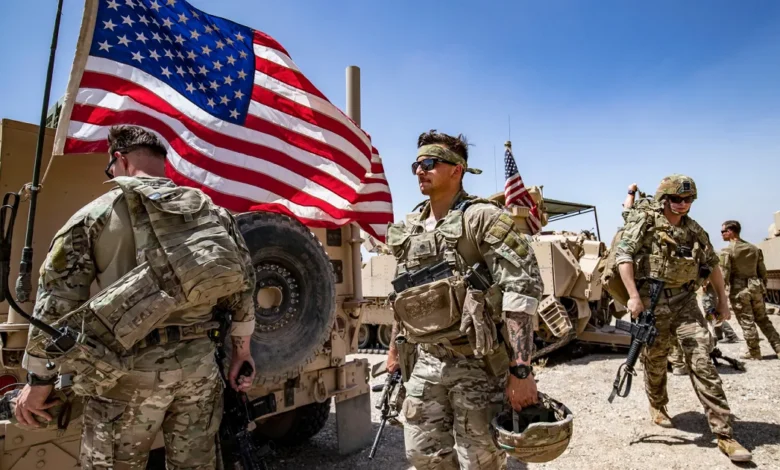
In a telephone interview with Axios, Donald Trump said talks with Iran were going well and that Tehran was more eager than ever to reach an agreement. He nevertheless accused Iran of stalling and prolonging negotiations.
US President Donald Trump did not rule out resuming military operations against Iran during a telephone interview on Monday. He stressed, however, that he was in no hurry to decide, as diplomatic contacts intensify to secure an agreement. His administration remains divided over the next step, while Israel is pressing for bombing to resume after the US midterm elections.
-
US Commentator Claims Trump Could Launch a Nuclear Strike on Iran Within Days
-
Three Phases and High-Stakes Deliberations: Iran’s Leaders on Trump’s Agenda
Speaking to Axios, Trump said the United States was talking to the Iranians and that discussions were progressing well. He argued that Tehran was more willing than ever to reach a deal.
Nevertheless, he accused Iran of stalling and dragging out negotiations, saying Washington would eventually act, whether an agreement was reached or not. He set no deadline for a decision.
Trump said economic pressure and the naval blockade had significantly weakened Iran. He claimed the country was short of money and petrol and that its population was beginning to tire of the situation.
His position reflects a willingness to give diplomacy more time while retaining military options, particularly as his administration has not reached agreement on how to deal with Tehran.
-
Washington Ready to Strike Iran Within 96 Hours: Has Trump’s Moment Arrived?
-
Preparing for a Delayed Escalation: Iran War Disrupts Trump’s Electoral Calculations
Axios identified three approaches within the US administration.
Vice President JD Vance and US envoy Steve Witkoff favour an agreement, warning that renewed war might not change the situation. Most Gulf states support this approach and have told Trump they prefer a diplomatic solution.
By contrast, Israeli Prime Minister Benjamin Netanyahu and US Defense Secretary Pete Hegseth favour resuming military operations. They argue that Iran cannot be trusted and that continued negotiations could give it an opportunity to rebuild its capabilities.
Axios also cited an informed source saying CIA Director John Ratcliffe had told Trump that sustained pressure could push Iran towards further concessions or trigger domestic unrest.
These positions emerge as Qatar intensifies mediation efforts to restart direct negotiations between Washington and Tehran. Axios reported that Qatari mediators had drafted an agreement containing confidence-building measures over three days and were awaiting responses from both parties.
-
Ballot-Box Calculations and Autumn Bombs: Three Priorities Delaying Trump’s Next Strike on Iran
-
Tehran Vows to Avenge Khamenei, With Trump at the Top of the List
As part of those efforts, Qatari mediator Ali al-Thawadi travelled to Tehran on Monday for further talks. A diplomat familiar with the discussions said prospects for negotiating progress were improving. Axios did not disclose the proposed measures or the full draft.
Russia and China are also involved in diplomatic efforts. Russian President Vladimir Putin spoke by telephone with Mohsen Rezaei, an official in Iran’s Supreme National Security Council, about efforts to settle. Rezaei also received a message from Vance concerning the possibility of resuming negotiations.
Moscow offered to participate in any potential nuclear agreement, including by receiving Iran’s enriched uranium stockpile. Meanwhile, Rezaei’s deputy visited Beijing and met China’s foreign minister as part of Chinese efforts to encourage both sides to resume dialogue.
Iranian President Masoud Pezeshkian said Supreme Leader Mojtaba Khamenei had granted the government authority to try to secure an agreement through diplomacy.
-
The Trump trait: US Rebuffs Iran’s Proposal to Lift Maritime Blockade
-
Trump Tightens the Noose Around Iran in New York
Foreign Minister Abbas Araghchi confirmed that diplomatic contacts had intensified and that Qatar and Pakistan were playing an active mediating role. He said Tehran had submitted its proposals and the ball was now in Washington’s court.
Araghchi warned that Iran was ready to negotiate if the United States chose genuine diplomacy, but would respond more painfully if the contacts were intended to buy time and prepare fresh military operations. He also linked renewed negotiations to acceptance of Iran’s conditions concerning the Strait of Hormuz.
The nuclear issue remains a major obstacle to a settlement. Vance said the administration was optimistic about reaching an agreement, but stressed the need to ensure Iran did not rebuild its nuclear programme through clear, verifiable commitments.
Separately, Axios reported a difficult telephone call between Trump and Netanyahu on Saturday. The Israeli prime minister reportedly pressed for strikes to resume immediately after the November 3 midterm elections. Trump expressed a preference for giving negotiations another opportunity, raising Israeli concerns about a prolonged diplomatic process.
-
Trump Avoids Clash with China over Iran Ahead of His Visit to Beijing
-
With the help of artificial intelligence… Trump threatens Iran again by targeting Kharg Island
Trump had also referred to an Iranian nuclear facility known as Pickaxe Mountain, saying the United States had a plan to deal with it and that the operation could take ten minutes. He announced no final decision to strike the site.
These developments coincided with US strikes on Iranian targets near the Strait of Hormuz that Washington described as defensive. A US official told the Associated Press that the strikes targeted Iranians using surface-to-air missiles against US assets. Iranian television reported explosions on Qeshm Island. Washington did not present the operations as the resumption of a broad military campaign.
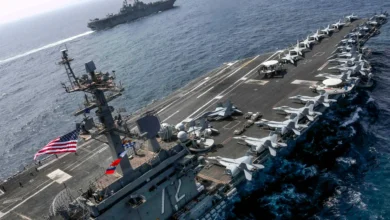
The Associated Press reported last Wednesday that US officials had asked Middle Eastern countries to prepare for possible renewed attacks after the elections, warning of Iranian retaliation against regional energy facilities and infrastructure. The report also described US military preparations, including a stronger naval and air presence in the region.
-
Is Trump planning to end the war against Iran?
-
They Are Living Through Their Final Stage… Trump ‘Not Interested’ in Negotiating with Iran
Gulf states fear that renewed confrontation could bring attacks on ports, energy facilities and shipping routes, as well as draw Iran-aligned groups in Iraq and Yemen into a wider conflict. Regional officials have warned that escalation could have extensive consequences for the region’s security and economy.
-
Trump Announces Destruction of Iran’s Kharg Island
-
Did Trump Ignore Intelligence Warnings That Had Anticipated Everything Now Unfolding in Iran?
-
Iran Targets Ships and the U.S. Does Not Retaliate: Why Is Trump Keeping His Cool?