Tigrayan Fighters’ Withdrawal from Blue Nile Exposes Strains with Sudan’s Army
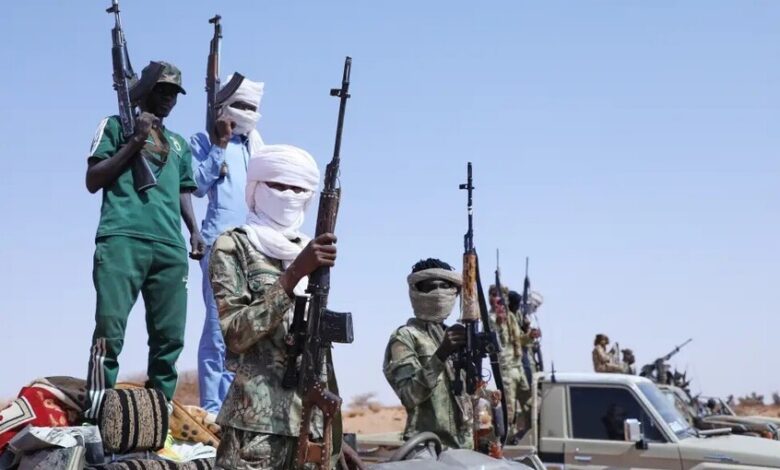
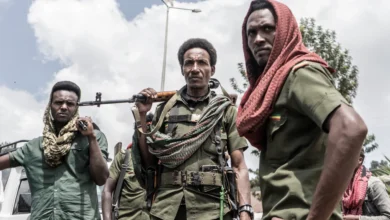
Relations between Sudan’s army and fighters from Tigray are entering a more complicated phase amid reports that some groups have withdrawn from positions in Blue Nile state and refused to continue participating in government military operations against the Sudan Founding Alliance. The developments come alongside allegations concerning battlefield management, the allocation of combat duties and the deployment of Tigrayan fighters to forward positions without adequate protection or military support.
The issue appears to extend beyond a withdrawal dictated by battlefield conditions. Circulating reports describe deeper disagreements over command and control, outstanding payments and growing concern about casualties on the Blue Nile front. If accurate, these accounts would indicate fractures in one of the alliances the Sudanese army has relied on to bolster manpower along certain battlefronts.
The developments carry added significance given Blue Nile’s sensitivity. The state became a strategic battleground during 2026 as the Rapid Support Forces and the Sudan People’s Liberation Movement-North intensified operations and advanced in several locations, while the army sought to regain the initiative and send fresh reinforcements.
A Withdrawal Raises Questions about Allied Forces’ Cohesion
Reports that Tigrayan fighters left positions around Damazin have raised questions about their future involvement in Sudan’s war. Citing unnamed military sources, media accounts said some groups refused orders from commanders in the Fourth Division and left the area towards the Ethiopian and Eritrean borders.
According to a November report by The Sudan Times, the fighters withdrew as Sudan Founding Alliance forces approached the outskirts of Damazin, amid claims that they refused to continue their assigned military duties. The report, however, provided no independent evidence confirming the number of fighters involved or all details of their movements. It also included no official response from the Sudanese army or representatives of the Tigrayan forces.
This account suggests that the withdrawal may have reflected the fighters’ assessment of the risks they faced, particularly as the military balance shifted. Forces in forward positions are more exposed to casualties when their lines come under strain or they lose defensive positions. Remaining in combat also requires supplies, fire support and the ability to manoeuvre and withdraw in an organised manner.
Without independent information about the decision, it remains difficult to conclude that the withdrawal resulted directly from a dispute with Sudanese commanders. Its coincidence with other reports of strained relations nevertheless makes a crisis in military coordination and battlefield control a possibility worth investigating.
Allegations of Deployment to the Most Dangerous Positions
A central allegation is that Sudan’s army sent Tigrayan fighters to forward positions in Blue Nile without adequate air cover or defensive protection. This raises questions about the division of responsibilities between regular forces and allied formations, and the command’s commitment to meeting participating units’ minimum protection requirements.
Forward positions are not merely sites of direct engagement. They commonly face multiple pressures, including artillery fire, air and drone attacks, flanking manoeuvres and attempts to cut supply routes.
Under such conditions, deploying infantry to reinforce positions or repel attacks is insufficient. Units need an integrated support system encompassing reconnaissance, intelligence, artillery support, air defence and medical evacuation.
If Tigrayan forces believed they were bearing the greatest burden in forward positions without corresponding support, that could partly explain their refusal to continue combat duties. These allegations have not, however, been independently confirmed. No documented information establishes where these forces suffered losses or the nature of the support they received.
The issue has become more important as Sudan’s war evolves, particularly with the growing use of drones. A Reuters report published on November 17 said the United Nations had documented 2,230 civilian deaths during the first half of 2026, attributing more than 1,630 to drone attacks. These figures illustrate the scale of the aerial threat in Sudan.
Blue Nile: An Increasingly Complex Front
Blue Nile was not among the principal battlefields at the beginning of the war. It gradually became strategically important, however, because of its border location and the overlapping military and political interests in its regional surroundings.
During 2026, fighting intensified between Sudan’s army and an alliance comprising the Rapid Support Forces and the Sudan People’s Liberation Movement-North led by Abdelaziz al-Hilu. Operations affected several areas, including al-Kurmuk, Geissan and Sali, as well as other locations near the front lines.
On November 5, Sudan Founding Alliance forces announced that they had captured strategic military positions in al-Kili and al-Kili 6. They said they seized military equipment following clashes with government forces. The account reflects the intensity of competition for military positions, although details of territorial control require independent verification.
The Sudan Tribune also reported on November 16 that the army had sent fresh reinforcements to the state alongside changes in military leadership. These measures reflect the front’s importance to government commanders and their efforts to prevent further losses in strategic areas.
Against this backdrop, allied forces on the front lines form part of the army’s military calculations, particularly if commanders struggle to provide enough regular troops to cover all positions.
Command Disputes Deepen the Crisis of Trust
Reports of Tigrayan withdrawals must be considered alongside accounts of disagreements between their commanders and Sudanese army officials.
A November report by The Sudan Times referred to the arrest of Sudanese officers responsible for coordinating with Tigrayan fighters. According to its sources, this disrupted communications and led some units to refuse to work with replacement commanders.
The report also described demands for outstanding payments and refusals to return to the front amid disputes over responsibilities and assignments. The publication said it had been unable to verify these allegations independently and did not identify all the officers or specify the number of fighters involved.
If accurate, this account reveals problems in the joint command structure linking Sudan’s army and allied forces. Military operations require a clear chain of command, agreement on objectives and precise responsibilities, particularly when units with different backgrounds operate under a shared military umbrella.
A lack of trust can instead lead to disobedience, withdrawals or disrupted operations—outcomes that may be especially serious on fronts dependent on coordination among several formations.
Regional Pressures Add Further Complexity
The crisis involving Tigrayan forces is unfolding in a highly sensitive regional environment. Sudan’s war coincides with renewed military and political tensions inside Ethiopia and growing accusations between Khartoum and Addis Ababa over support for armed groups across their borders.
A recent Associated Press report described escalating accusations concerning support for armed actors operating in the two countries, amid renewed fighting linked to Tigray and growing fears that local conflicts could become regional proxy confrontations. The agency noted that the reciprocal allegations had not been independently verified.
Tigrayan participation in Sudan’s war therefore cannot be viewed solely as an internal military matter. It may carry political and security implications for Sudanese-Ethiopian relations, particularly if it involves recruitment, cross-border movements of fighters or disputes over their return home.
Continued fighting may also leave these forces facing a dual dilemma: remain on a front outside their home territory or attempt to withdraw as the security and political risks surrounding their movements increase.
The Alliance’s Future at Stake
A withdrawal of Tigrayan fighters, if its details are confirmed, could directly affect Sudan’s army in certain locations, particularly where these forces perform infantry duties and deploy in difficult terrain and forward areas.
It could also weaken trust and make continued cooperation harder, especially if disputes over leadership, payments, and protection remain unresolved.
Conversely, continued reliance on allied forces without a clear framework for managing their participation could expose the army to further disruption along its fronts and increase the likelihood of disputes with other formations.
It is therefore important to distinguish a tactical withdrawal dictated by battlefield conditions from one arising from a political or organisational crisis. The former may form part of a military redeployment plan. The latter reflects a breakdown in relations between participating forces and may have lasting consequences for front-line cohesion.
A Test Extending beyond Blue Nile
Developments involving Tigrayan forces test the Sudanese army’s ability to manage military alliances during a prolonged, multi-front war. The issue is not simply a group of fighters leaving a particular position. It concerns the command’s ability to secure allied forces’ compliance with orders, provide protection and supplies, and resolve disagreements before they become battlefield divisions.
If allegations that these forces were sent to forward positions without air cover are substantiated, they could also open a broader debate about commanders’ responsibility to protect participating units and provide necessary safety and support.
As escalation continues in Blue Nile, relations between Sudan’s army and Tigrayan fighters appear to be approaching a turning point. Commanders must either contain the disputes and rebuild coordination channels or risk growing withdrawals and refusals of orders developing into a crisis threatening one component of the military strength on which they rely along this front.