Boufarik Airport under Scrutiny: Has Algeria Become a Transit Hub for Russian Weapons Bound for Sudan?
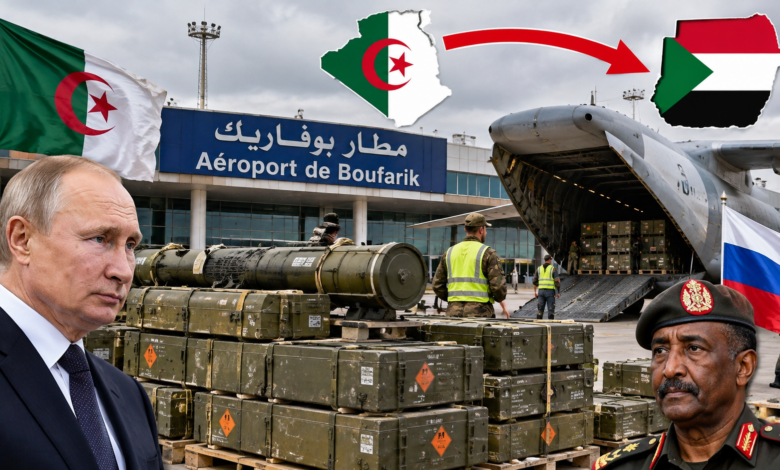
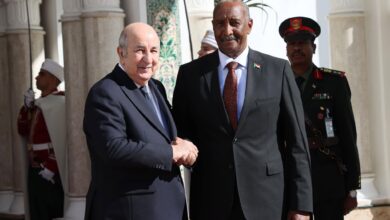
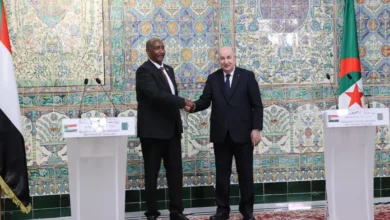
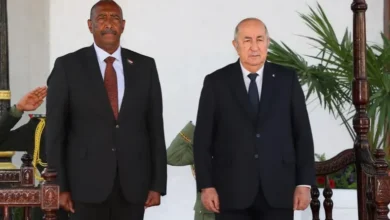
Relations between Algerian President Abdelmadjid Tebboune and Sudanese Sovereignty Council chairman Abdel Fattah al-Burhan are prompting growing questions about Algeria’s role in Sudan’s war. Scrutiny has intensified following media reports suggesting that a Russian arms shipment passed through Algeria’s Boufarik military airport before reaching the Sudanese army. Al-Burhan’s January 2024 visit to Algeria, accompanied by political statements highlighting the rapprochement between the two sides, has now become part of a broader debate over the extent of support Algeria might provide to Sudan’s military establishment.
While receiving Al-Burhan, Tebboune emphasised the two countries’ historical ties and affirmed that Algeria stood alongside Sudan in confronting its difficult circumstances. Al-Burhan, in turn, welcomed Algeria’s role in regional and international discussions concerning the crisis. Their political exchanges clearly demonstrated the closeness between Algeria’s leadership and the Sudanese authority headed by al-Burhan.
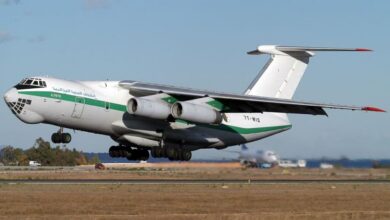
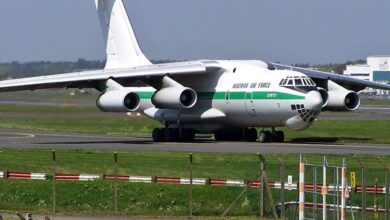
The most controversial development, however, emerged in November 2026, when media outlets circulated reports that Boufarik military airport had served as a transit point for Russian weapons destined for Sudan’s army. According to some websites, the shipment passed through an Algerian military facility before continuing to Sudan as part of a supply route reportedly intended to strengthen the Sudanese Armed Forces’ capabilities.
The sensitivity of these reports stems from the nature of the facility named. Boufarik is not a civilian airport handling routine commercial cargo traffic, but a military installation within Algeria’s air force infrastructure. Any use of the facility to transfer foreign military equipment therefore calls for official clarification about the operation and those overseeing it.
Nevertheless, a distinction must be drawn between reported claims and independently facts. The information published so far includes no publicly available shipping documents, verified flight records linking the shipment to Sudan, or official statements confirming that the transfer took place. The report addressing the issue itself noted that the allegation had not been independently verified.
Investigating the matter becomes particularly important when considered alongside the network of Russian military flights documented by Defense News. An investigation published on April 30, 2026, reported 167 cargo flights between Russia and Algeria over approximately fourteen months. It noted that some aircraft were linked to Russian military aviation industry sites and that Algeria had become an important stop in Russia’s air transport network serving Africa.
These findings do not establish that the Sudan-bound shipment passed through Boufarik. They do, however, make examining Russian military air movements in Algeria necessary to understand potential routes for transporting military equipment.
The question is therefore not simply whether a shipment passed through the airport. It also concerns who authorised any such transit, the nature of relations between the Algerian and Russian military actors involved, and whether a final destination had been declared for the cargo.
Clarifying these points is especially important given the nature of Sudan’s war. Every arms shipment reaching a party to the conflict can affect the military balance and give belligerents greater capacity to continue operations rather than pursue a political settlement.
Calling on Algeria to provide explanations does not presume its guilt. It reflects the principle of transparency when allegations concern the use of national military facilities in supply operations connected to an armed conflict.
Algeria has repeatedly expressed support for political solutions and opposition to foreign interference. That position now requires it to address the questions surrounding Boufarik seriously: either by presenting information refuting the allegations or by explaining any logistical cooperation that actually occurred, so that suspicion does not develop into a political crisis of confidence.
In light of these reports, Boufarik airport has become the focus of questions extending beyond the movement of a single aircraft or military shipment. The issue tests the consistency of Algeria’s policy with its stated opposition to interference in conflicts, as well as its institutions’ ability to provide clear answers about their relationship with Russian military supply networks in Africa.