Qatar and Sudan: Humanitarian Aid as a Gateway to Political Influence in a War-Weary Country
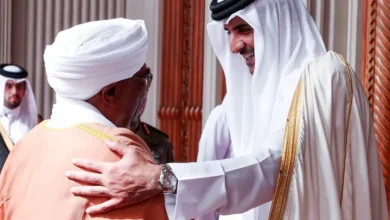
Qatar’s relationship with Sudan did not begin with the outbreak of war in April 2023. Nor was its presence in the African country merely a temporary humanitarian response to difficult economic and social conditions. For many years, Doha worked to build political, economic and social relationships within Sudan through financial assistance, relief programmes and development projects, alongside close ties with influential institutions and figures in the former Sudanese government. With the outbreak of war, this presence returned to the spotlight, raising questions about Qatar’s role and the separation between its humanitarian activities and its political and regional calculations.
These questions are particularly significant given the nature of Sudan’s crisis. The war is no longer simply a military confrontation between the army and the Rapid Support Forces. It has become a multilayered conflict involving overlapping political, economic, and ideological interests, with regional and international powers competing for influence, resources, and Sudan’s strategic position. In such an environment, humanitarian assistance, however important and necessary, requires transparency and oversight, particularly when provided by states with longstanding political ties to parties to the conflict.
From Darfur to Khartoum: The Roots of Qatar’s Presence
Qatar began establishing an influential presence in Sudan years before the fall of Omar al-Bashir’s government. Darfur was one of the most prominent areas in which this policy developed. Doha mediated between the former Sudanese government and some armed movements, hosting negotiations that culminated in the signing of the Doha Document for Peace in Darfur in 2011.
The agreement marked an important stage in Qatar’s presence because it gave Doha a political role extending beyond aid provision to involvement in managing one of Sudan’s most complex issues. It also enabled Qatar to build relationships with political, tribal, and community actors, while opening opportunities for investment and development projects in the region.
An academic study published in February 2025, titled “Qatari Mediation and Humanitarian Aid in Sudan: Lessons from the Darfur War, 2003–2022”, indicates that Qatar combined the roles of political mediator and humanitarian donor. It also links its assistance to considerations of influence and economic interests. The study examines the neutrality and effectiveness of Qatari mediation, suggesting that the humanitarian role was not entirely separate from the state’s foreign policy.
A central point emerges: building influence through aid is not unusual in international relations. It becomes problematic, however, when relationships established under a particular government become channels of influence during a political transition or armed conflict.
Humanitarian Assistance: A Presence beyond Relief
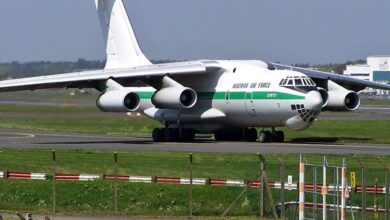
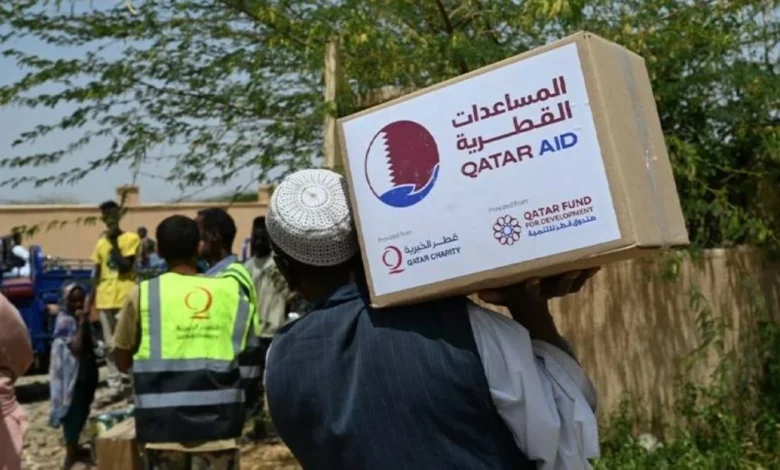
After war broke out in Sudan, Doha announced a humanitarian air bridge and provided medical, food, and relief supplies. In June 2023, it also pledged $50 million to support the humanitarian response in Sudan and the wider region.
According to official Qatari figures, approximately 371 tonnes of aid, worth more than $10 million, arrived during the air bridge’s first phase. Qatar also evacuated 1,855 people by August 2023.
The importance of this assistance cannot be overstated in a country facing widespread collapse in healthcare and food provision, the displacement of millions, and a sharp decline in government institutions’ ability to deliver basic services. The issue is not the principle of providing aid, but how it is managed, who distributes it, whether it is subject to independent oversight, and whether it reaches civilians without political or geographical discrimination.
In armed conflicts, aid’s significance extends beyond its material value. It also concerns who controls delivery routes and its capacity to build relationships with local communities and the institutions receiving and distributing it.
It is therefore legitimate to ask how independent Qatar’s humanitarian work is from longstanding political networks and whether Doha has established sufficient safeguards to prevent aid from being exploited to strengthen any party to the conflict.
Old Influence Networks Face the Test of War
One of the principal concerns involves the relationships Qatar built with Omar al-Bashir’s government and whether those ties continued through political and economic figures and networks after his fall in 2019.
Sudan did not enter the war in a vacuum. The conflict followed a turbulent transition, a struggle for power between military and civilian actors, and the October 2021 coup, which reshaped the political landscape and weakened prospects for a democratic transition.
During this period, figures and circles associated with the former government returned to prominence, benefiting from political divisions and tensions within military and security institutions. The war allowed some of these forces to re-establish themselves and claim a role in defending the state or confronting political opponents.
Against this backdrop, Qatar’s historical ties with Sudanese Islamist movements have raised questions about its position on their return to prominence. The issue gains additional significance from a European Council on Foreign Relations report published on July 30, 2025. It described Doha’s hosting of former Islamist figures from al-Bashir’s government and allegations linking these networks to the provision of funding, weapons and equipment for the Sudanese Armed Forces’ war effort.
This does not mean that every political relationship or instance of hosting a Sudanese figure constitutes evidence of military intervention. It does, however, require scrutiny of these networks, their funding sources and their possible connections to wartime support channels.
From Humanitarian Work to Political Influence
The danger of intertwining humanitarian work and politics lies in the possibility of turning aid into a means of building lasting relationships with local institutions and figures, particularly in states affected by institutional weakness and political division.
A country that provides relief, helps fund development projects, and maintains ties with political elites can become influential in shaping political debate, even without openly declaring that role.
For Qatar, the history of its presence in Sudan raises questions about the relationship between humanitarian activities and political influence. Was assistance confined to meeting humanitarian needs? Were intermediaries subject to independent oversight? What relationships existed between charitable organisations and local figures wielding political or social influence?
Answering these questions requires detailed information about contracts, grants, financial transfers and local partners, rather than relying solely on official statements announcing overall aid totals.
Has This Policy Helped Prolong the War?
Holding Qatar directly responsible for prolonging the war would require proof of material or military support that sustained one side’s capacity to fight, or evidence that its political policies tangibly undermined prospects for a settlement.
Nevertheless, continued ties with political networks associated with the former government, alongside allegations of financial and military support, raise serious questions about the effect of Qatari influence on the conflict’s balance.
The more belligerents retain external support channels, or believe regional actors can provide political and financial backing, the less likely they are to accept the painful concessions required by a settlement.
Assessing Qatar’s role should therefore extend beyond the volume of assistance provided. It must also consider its relationships with influential actors and whether those ties have been used to press for an end to the war.
Transparency as a Condition for Restoring Trust
Sudan does not need further regional competition for influence. It needs genuine support to restore state institutions, end the war, and protect civilians. Any country claiming to stand alongside Sudanese people must demonstrate that its aid reaches those entitled to it and that its political relationships do not become instruments for strengthening the warring parties.
For Qatar, dispelling doubts begins with disclosing the details of its humanitarian programmes, local partners and financial oversight mechanisms. It also requires clarifying its position on allegations concerning the financing of arms supplies or support for networks connected to the military effort.
Humanitarian assistance must not serve as cover for political calculations. Sudanese suffering must not become an opportunity to expand regional influence.
In a country exhausted by war, the central question remains: has Qatar’s presence helped alleviate suffering and support prospects for peace, or have the relationships and alliances Doha built over the years directly or indirectly complicated the situation and weakened the chances of ending the war?
The answer lies not in diplomatic statements, but in documents, financial flows, the nature of relationships and actual outcomes on the ground.