Allegations That Tigrayan Fighters Are Being Forced to Continue Fighting and Refusers Detained in Sudan
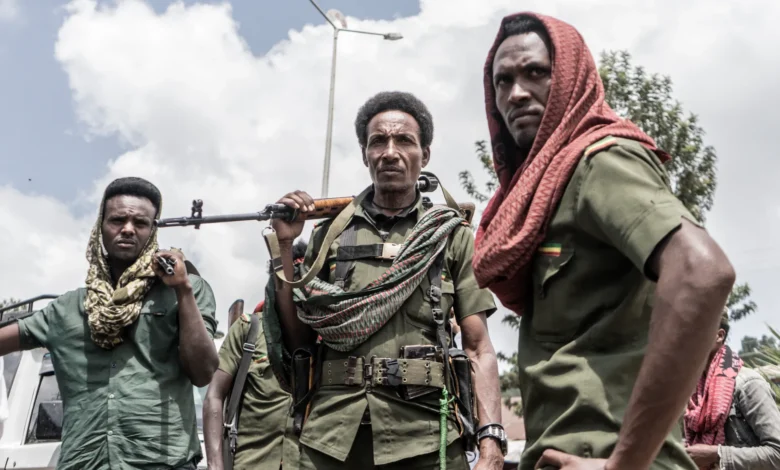
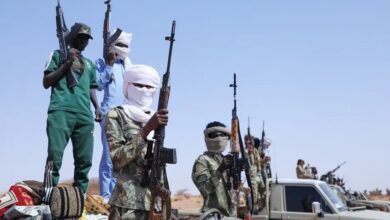
Reports that fighters from Tigray are being forced to continue fighting alongside Sudan’s army in Blue Nile state are raising growing questions about relations between the two sides and the extent of the Sudanese command’s control over allied forces. The allegations become more serious with accounts of fighters being detained after refusing to return to the front, amid mounting disputes over assignments, casualties and the protection and support they receive.
These developments come as government forces face increasing battlefield pressure in Blue Nile, which has become a principal front between Sudan’s army and the Sudan Founding Alliance. The alliance includes the Rapid Support Forces and the Sudan People’s Liberation Movement-North led by Abdelaziz al-Hilu.
Amid this escalation, Tigrayan participation appears more complicated than a military alliance based on temporary battlefield interests. Reports of fighters refusing orders and requesting to return home suggest a possible crisis of trust with the commanders overseeing their deployment. This would be particularly concerning if they were proven to have faced pressure to continue fighting despite casualties and risks.
Refusal to Return to the Front Triggers a Crisis among Allied Forces
Recent media reports have described growing disagreements between Tigrayan fighters and Sudanese military commanders after groups refused to continue combat operations in Blue Nile.
According to a report published by The Sudan Times in mid-November 2026, several fighters refused orders from military commanders in Damazin and withdrew as Sudan Founding Alliance forces approached. Some reportedly travelled to a camp in Kassala state, where they demanded outstanding payments and refused to return to the front.
The report also described disputes over officers responsible for coordination with Tigrayan forces, referring to the arrest of Sudanese military commanders who had managed battlefield communications with them. According to its sources, the arrests disrupted communication channels and led some fighters to refuse to work with replacement commanders.
Although these details have not been independently verified, they raise important questions about the stability of the relationship, particularly if refusals to return to combat stem from fears of further casualties or disputes over duties and payments.
Allied forces participating in military operations need clear assurances about their responsibilities, deployment locations and members’ rights. They also need clarity over who issues orders and bears responsibility for their implementation.
When these arrangements break down, disobedience or withdrawal can indicate a deeper command-and-control crisis and undermine joint operations.
Allegations of Pressure to Keep Fighting
The reports concerning Tigrayan forces extend beyond some individuals refusing orders. They include allegations that Sudan’s army pressured fighters to continue military operations despite their wish to withdraw and return to their home areas.
These claims suggest possible restrictions on some fighters’ freedom of movement, particularly those who refused to continue fighting or requested an end to their participation.
If members of armed formations were detained or coerced because they refused combat assignments, this would raise legal and humanitarian questions about their detention conditions and their relationship with the Sudanese military command.
A distinction is necessary, however, between disciplinary measures against individuals formally subject to a chain of command and detention intended to force people to keep fighting without free consent or a clear legal basis. Each situation has different legal and humanitarian implications. Specific violations cannot be established without documented information about detainees’ status and the circumstances of their arrest.
Nevertheless, the circulation of these allegations reflects the tensions surrounding foreign and allied forces’ involvement in Sudan’s war. It raises questions about the safeguards provided to fighters operating outside their home areas.
Blue Nile: A Growing War of Attrition
The crisis is unfolding amid continued military escalation in Blue Nile, with both sides seeking control of strategic positions, roads and supply lines.
In recent months, the region has witnessed clashes between Sudan’s army and the Sudan Founding Alliance. According to battlefield reports, the alliance has advanced in several locations, including areas near al-Kurmuk and Geissan.
On November 5, alliance forces announced that they had captured military positions in al-Kili and al-Kili 6 and seized equipment following clashes with government forces. Other reports described continued military pressure towards Damazin, an important administrative and military centre in the state.
These developments require Sudan’s army to reinforce its deployments and hold remaining positions, demanding additional personnel, vehicles and supplies.
Under such pressure, allied forces may become particularly important to commanders, especially along fronts requiring rapid manpower reinforcement. Reliance on these forces does not, however, remove the need to consider the conditions of their participation or ensure their protection and support.
Declining trust among allied forces can also weaken coordination and complicate operations, particularly when battles require joint movements by different units.
Financial and Command Disputes Intensify Tensions
Reports concerning Tigrayan fighters suggest disagreements extend beyond returning to combat to include outstanding payments and command-and-control arrangements.
Sources cited by The Sudan Times described financial demands by some fighters alongside disputes over dealing with new military commanders after the arrest of officers previously responsible for coordination.
If accurate, these accounts point to a multidimensional crisis involving financial, organisational and military concerns. Fighters need clear information about their entitlements, assignments and the authorities responsible for managing their deployment.
When financial disputes overlap with command disagreements, trust can collapse, particularly if fighters believe they face substantial battlefield risks without receiving the agreed compensation or protection.
The situation becomes more serious amid the economic crisis affecting areas under the authority based in Port Sudan, including fuel and supply shortages and rising war costs. A Sudan Tribune report on November 6 described a worsening fuel crisis in several Sudanese cities, including Port Sudan, Khartoum and Nyala, illustrating the logistical pressures facing the belligerents.
If military commanders become less able to fulfil their obligations to allied forces, payment disputes could provide an additional reason for some units to refuse orders or withdraw.
Concerns over Exploiting Refugees’ and Fighters’ Vulnerability
Tigrayan participation in Sudan’s war also raises questions about recruitment conditions and the fighters’ relationship with the military command, particularly following earlier allegations that refugees and Ethiopian nationals were being recruited for armed operations.
Media and research reports have examined claims that young people from Tigray were recruited inside Sudan, amid allegations that refugees’ economic and humanitarian hardship was being exploited during successive regional crises.
In this context, The Sudan Times cited allegations that some Tigrayan refugees had been recruited and sent to military positions, drawing on remarks by a strategic affairs researcher. These claims still require independent investigation. They must not be generalised to all fighters or treated as established facts without further evidence.
The issue is especially important given refugees’ vulnerability. Economic and security pressures may expose them to exploitation or involuntary recruitment.
Refugees’ participation in combat can also create additional risks, including detention, injury or death, as well as difficulties returning home amid political and military tensions.
Independent investigations are therefore needed into recruitment conditions, the contracts or arrangements governing participation and respect for fighters’ right to refuse continued combat where their legal status permits.
Regional Implications beyond Sudan
The crisis involving Tigrayan fighters cannot be separated from political and security developments in Ethiopia, particularly renewed tensions within Tigray and escalating confrontations between different actors.
These developments coincide with growing Sudanese-Ethiopian tensions and reciprocal accusations of support for armed groups across their borders. A recent Associated Press report warned that existing tensions could develop into a wider regional conflict, given the overlapping security and military interests of the two countries.
The continued presence of Tigrayan fighters in Sudan could consequently become a sensitive issue between Khartoum and Addis Ababa, particularly if demands for their return grow or disagreements emerge over those refusing to continue fighting.
Restrictions on their movements or attempts to prevent them from returning home could further complicate the situation and invite regional intervention or pressure concerning their fate.
The issue becomes more sensitive if some forces are linked to political and military formations inside Ethiopia. Developments in Sudan’s war could then affect Tigray’s internal balance and relations among Ethiopian forces.
Allied Forces Could Become a Liability
Armies fighting prolonged wars build military alliances to compensate for shortages of personnel and capabilities. Those alliances can become a weakness, however, without clear agreements and stable command structures.
The Tigrayan forces’ crisis shows that allied formations’ participation does not necessarily guarantee continued cooperation, especially when casualties rise, supplies decline or disputes emerge over roles.
Military commanders need participating forces’ loyalty and ability to follow orders. In return, they must provide the protection, supplies and coordination that make cooperation sustainable.
If the relationship becomes one of demanding continued combat without addressing concerns or resolving disagreements, withdrawals and insubordination may become more likely, directly affecting operations.
Detaining fighters who refuse to return to the front, if confirmed under the circumstances described in the reports, could intensify tensions and deepen mistrust rather than resolve the underlying dispute.
A Legal and Humanitarian Test for Sudan’s Military Leadership
Allegations of forcing fighters to continue combat and detaining those who refuse raise questions about the Sudanese leadership’s legal responsibility towards forces participating in the war.
Military or political understandings do not exempt any command from respecting applicable rules on detention and humane treatment. Recruitment conditions and the nature of fighters’ affiliation with the armed forces also warrant scrutiny.
The issue requires official clarification of how many individuals have been detained, why they were detained, which authorities are holding them and whether they have received legal safeguards. The fate of fighters who requested withdrawal from operations must also be explained.
Allowing access to detainees, verifying their conditions and ensuring they face neither coercion nor inhumane treatment are important measures to prevent the crisis from worsening.
At the same time, allegations of involuntary recruitment or preventing fighters from returning home require independent investigations based on verifiable testimony and evidence, beyond the belligerents’ conflicting accounts.
The Relationship at a Crossroads
Reports of Tigrayan fighters being forced to continue fighting and some refusers being detained point to a potential crisis within the military alliances supporting Sudan’s army in Blue Nile.
If substantiated, the consequences could extend beyond the individuals concerned to relations between Sudanese commanders and allied forces, affecting the army’s ability to maintain cohesion along its front.
Continuing disputes over payments, command and protection could further weaken these forces’ participation, particularly as fighting intensifies and economic and logistical resources diminish.
Between battlefield pressure and the desire to retain participating forces, the military leadership faces a difficult question: how can it keep fighters on the front without allowing internal disputes to become another source of attrition?
Leaving the crisis unresolved could produce further withdrawals, refusals of orders and declining trust among participating formations. Forces intended to support the army could instead become a source of tension within its ranks.
In a war with multiple fronts and dwindling resources, the greatest challenge may not be bringing in more fighters, but preserving the cohesion of existing forces and sustaining their cooperation within a clear command structure that honours its obligations to its members.