Kataib Hezbollah’s Intransigence Pushes Jurf al-Sakhr Crisis towards Confrontation
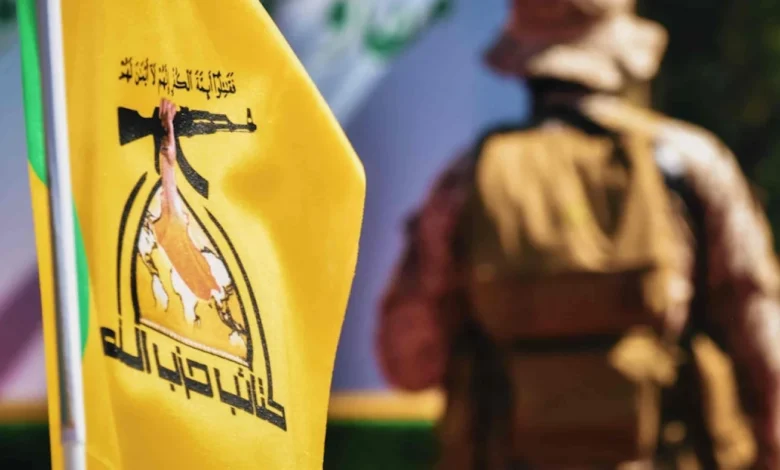
Kataib Hezbollah and al-Zaidi are holding to their positions, rejecting some proposals put forward by the Quds Force commander and the Coordination Framework to resolve the crisis.
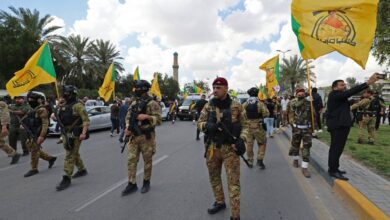
The Jurf al-Sakhr crisis is heading towards further escalation as Kataib Hezbollah refuses to abandon its positions despite efforts by Iranian Quds Force commander Esmail Qaani to contain the dispute with Iraq’s government and secure a settlement averting confrontation. Prime Minister Ali al-Zaidi, meanwhile, insists on ending the group’s armed presence and transferring security responsibility to official institutions before his Friday evening deadline expires.
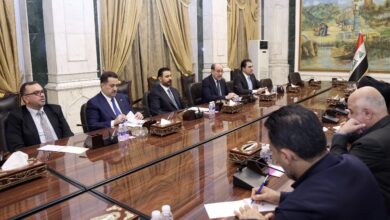
Intensive meetings in Baghdad over recent hours, involving Qaani, Coordination Framework leaders and armed factions, have failed to produce an arrangement acceptable to both sides. A political source speaking to the Iraqi Kurdish outlet Shafaq News said Kataib Hezbollah rejected some proposals while al-Zaidi refused others, leaving the crisis open to escalation.
The prime minister maintains that Kataib Hezbollah must withdraw from Jurf al-Sakhr in Babil province and government forces must assume responsibility for securing it. He refuses to extend the deadline. His position tests the government’s ability to implement security decisions and establish state authority over an area that has remained outside direct government control for years.
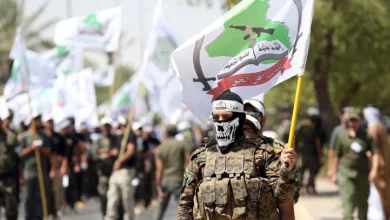
Kataib Hezbollah, however, appears unwilling to leave under the government’s terms, despite its leaders saying they do not want clashes with security forces. Senior figure Abu Talib al-Saidi reaffirmed opposition to withdrawal at a press conference inside the area. The group also described government investigations into oil smuggling as fabricated and denied the allegations against it.
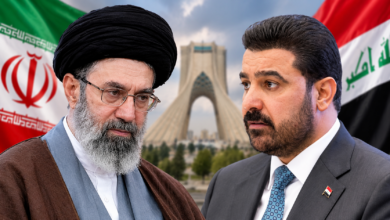
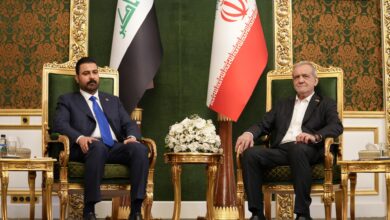
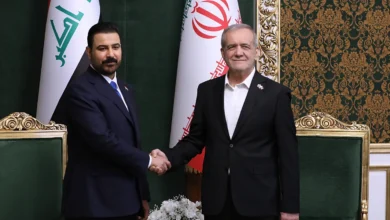
The impasse in Qaani’s mediation exposes the limits of Tehran’s ability to impose a settlement on its allies when its terms conflict with the Iraqi government’s calculations. Al-Zaidi’s insistence on state sovereignty and independent national decision-making, and his rejection of arrangements allowing an armed faction to retain local influence, have collided with Kataib Hezbollah’s determination to remain. This reflects a widening dispute over Iranian and factional influence within Iraq.
Qaani arrived in Baghdad as an envoy of Iranian Supreme Leader Mojtaba Khamenei, seeking to prevent the disagreement from becoming an armed confrontation. Mediation efforts included forming a three-member committee comprising Badr Organisation leader Hadi al-Amiri, Popular Mobilisation Commission chairman Faleh al-Fayyad and its chief of staff, Abdulaziz al-Mohammadawi, known as Abu Fadak, to convey settlement proposals to Kataib Hezbollah.
The proposed arrangements included redeploying Kataib Hezbollah brigades to the Iraqi-Syrian border and replacing them with three Popular Mobilisation Forces brigades. Some leaders and members would be allowed to remain at designated sites, while Federal Police would participate in security duties. These proposals nevertheless failed to resolve who would exercise effective control over Jurf al-Sakhr.
The crisis stems from government investigations into suspected smuggling of oil and petroleum products from the area. These followed a visit by a senior investigative committee and the authorities’ announcement that they had identified irregularities and facilities associated with unlawful activities. Al-Zaidi subsequently dismissed nine security and administrative officials and referred those implicated to the judiciary. Kataib Hezbollah rejected the measures as targeting the group.
The developments coincide with increased security deployments around Jurf al-Sakhr and preparations to assume security responsibility, raising the risk of clashes if the deadline expires without agreement. The US position calling for Iran-aligned factions to be held accountable for destabilising activities adds to the political pressure surrounding the crisis.
With mediation stalled, the hours before the deadline are becoming decisive. Either Kataib Hezbollah accepts arrangements transferring security responsibility to official forces, or the government proceeds to enforce its decision militarily. The latter could trigger clashes extending beyond Jurf al-Sakhr and a wider confrontation over state authority and the limits of armed factions’ influence in Iraq.