Enough, al-Burhan! Anger mounts in Sudan as calls for change grow
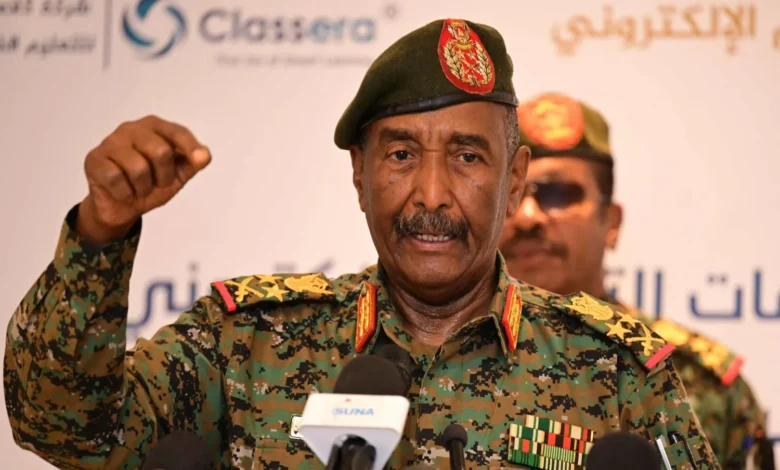
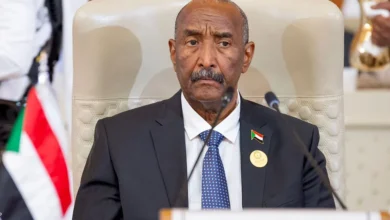
In the neighborhood cafés still open in relatively safe cities, and across the digital platforms that have become a forum for Sudanese at home and abroad, a slogan in colloquial Sudanese Arabic carries a mix of bitter irony and restrained anger: “Enough, al-Burhan!” Widely shared in recent weeks, the phrase has come to express mounting frustration with Sudan’s political and military crisis, observers and civil society activists say. It has also become a rallying cry for sweeping changes to the army’s leadership and the way the transition is managed.
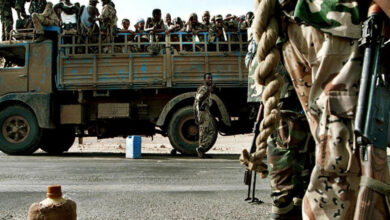
Since fighting broke out in mid-April 2023 between the Sudanese army, led by Gen. Abdel Fattah al-Burhan, and the Rapid Support Forces (RSF), led by Mohamed Hamdan Dagalo, known as Hemedti, Sudanese citizens have repeatedly been told that a military victory was imminent or that a settlement would soon end their suffering. Instead, the protracted war, the near-total collapse of infrastructure, the deterioration of basic services and unprecedented inflation have led many Sudanese to reassess the country’s direction and hold its most senior leaders directly responsible, starting with the army chief.
The roots of public anger
Political analysts and activists in Sudan’s resistance committees say the slogan captures a widespread belief that political and military decisions have fallen short of public expectations and deepened the crisis. Critics of the army leadership describe its handling of security and administrative affairs as disorganized. With people still being displaced within Sudan or fleeing to neighboring countries, and millions having lost their livelihoods, many Sudanese have grown weary of official explanations and promises that have yet to be fulfilled.
The criticism echoes repeated warnings from international humanitarian organizations that Sudan faces one of the world’s worst food and displacement crises. Observers say falling purchasing power, months of unpaid wages in both the public and private sectors, and the collapse of health care and education have turned quiet anger into open calls for the current leadership to step down and make way for new civilian-led political arrangements.
Sudanese differ over how to end the crisis
As dissent grows online and across Sudanese society, views differ on how to end the crisis. Civilian groups, resistance committees and some young Sudanese are calling for al-Burhan to step down and for the military to withdraw entirely from politics. They see both steps as essential to ending the war and restoring the democratic transition. Others argue that removing the army chief in the middle of what they regard as an existential conflict could cause Sudan’s remaining state institutions to unravel.
Community leaders and pro-army political figures who share that view say the armed forces are defending Sudan’s sovereignty and unity against what they describe as a rebellion. They argue that changing the military leadership at this stage could disrupt operations and weaken cohesion at home. They also say the crisis is too complex to attribute to any one person and assign a significant share of responsibility to civilian political groups, the RSF, and regional intervention.
International pressure and questions of legitimacy
Regional and international capitals are closely watching shifts in Sudanese public opinion. Diplomatic sources say rising anger presents the army leadership with two challenges. It needs to maintain domestic cohesion and public support for the war effort, even as it faces growing international pressure to engage seriously in ceasefire talks and allow humanitarian aid to reach those in need without obstruction.
Researchers who study African affairs say declining support at home can weaken a leadership’s position in negotiations abroad. As the gap between the leadership and the public widens, it becomes harder for any party to claim to speak for the Sudanese people. The researchers say that if public demands continue to go unaddressed, protests could intensify in army-controlled areas and divisions could emerge within the alliances that back the military.
Sudan at a crossroads
Caught between a severe cost-of-living crisis and deep political and military polarization, Sudan is at a crossroads. However spontaneous or sardonic the slogans may sound, they reflect a profound shift in public sentiment. Patience is wearing thin, and military and security measures alone can no longer persuade people that there is a way out of the crisis.
With little sign of a comprehensive settlement in the near term, the question is whether military and political leaders will heed these demands and take concrete steps that put citizens’ interests ahead of the struggle for power. Until then, “Enough, al-Burhan!” will remain a testament to a period in which Sudanese people are searching for a way to reclaim their country and regain the security and stability they have lost.