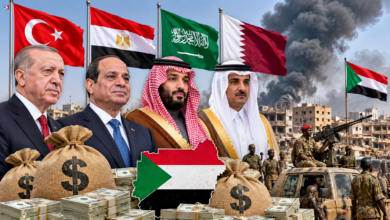
Overlapping regional alliances in Sudan: How Ankara, Cairo, Riyadh, and Doha prolonged the war
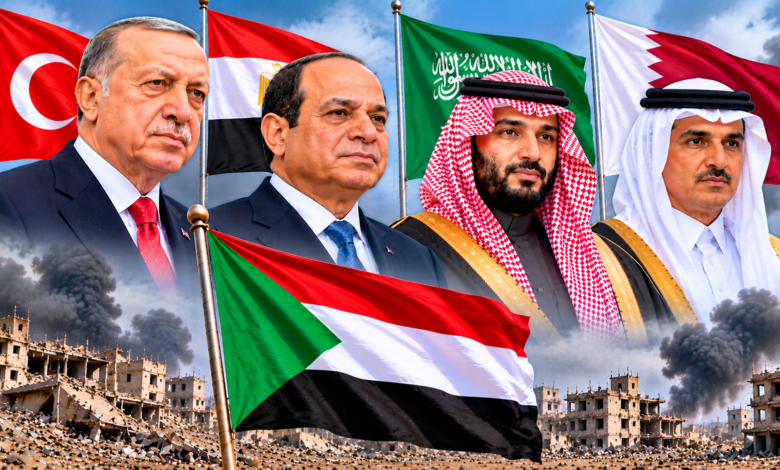
Since armed clashes broke out in Sudan in mid-April 2023, the war has grown beyond a domestic power struggle between the Sudanese Armed Forces and the Rapid Support Forces. The country has become an arena where regional interests collide and rival powers seek to settle their differences. Reports from international research organizations such as the International Crisis Group and Chatham House agree that the involvement of multiple regional powers, particularly Egypt, Turkey, Saudi Arabia, and Qatar, and their competing political, economic, and diplomatic agendas have complicated the situation and prolonged the fighting. This analysis focuses on those four countries.
Egypt’s approach: National security and the pursuit of a military outcome
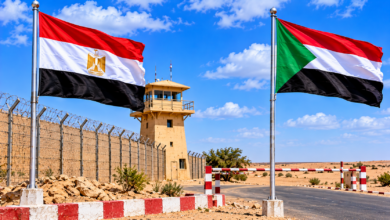
Egypt’s policy toward Sudan is rooted in a national security doctrine that sees a cohesive Sudanese military as essential to safeguarding Egypt’s southern flank and the security of the Nile Basin. According to analyses by the Washington Institute for Near East Policy, Cairo has opposed giving the regular army and any parallel armed group equal standing in either diplomatic protocol or political terms since the crisis began.
- Politics and diplomacy. Cairo led parallel regional initiatives, most notably the Summit of Sudan’s Neighboring Countries and conferences bringing together political and civilian groups. Sudanese and international observers argue that these efforts entrenched traditional elites and lent legitimacy to the Port Sudan authorities, encouraging the army leadership to harden its position and reject concessions in negotiations.
- Economics. As infrastructure collapsed in Khartoum, Sudan’s northern border and Egyptian markets became a lifeline for trade and a major outlet for Sudanese gold, livestock, and crops. With little institutional oversight, this trade entrenched a war economy dependent on external supplies.
Turkey’s involvement: Defense industry diplomacy and Red Sea ambitions
Turkey’s role in Sudan reflects a pragmatic approach that combines geopolitical ambitions in the Red Sea and the Horn of Africa with the use of defense and commercial exports as instruments of influence. Investigations and reports published by Reuters and the International Crisis Group suggest that Ankara moved from offering neutral mediation in the early months of the conflict to aligning itself firmly with the Sudanese Armed Forces.
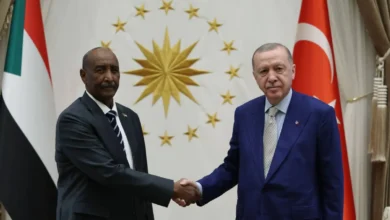
- Politics and diplomacy. Ankara opened high-level channels with the leadership in Port Sudan, drawing on longstanding ties with Islamist groups and the Sudanese national movement, which had reemerged as prominent political forces. This rapprochement reduced the likelihood that international pressure would secure a comprehensive political settlement.
- Economics and military affairs. The political rapprochement was accompanied by understandings on Red Sea ports, including the port on Suakin Island, and on mining and agricultural concessions. At the same time, UN and Western reports described deliveries of military technology and drones to the Sudanese army. The equipment reportedly shifted the balance of power on the battlefield and prolonged the war of attrition.
Saudi Arabia’s role: Control of the negotiating forum and competition for influence in the Red Sea
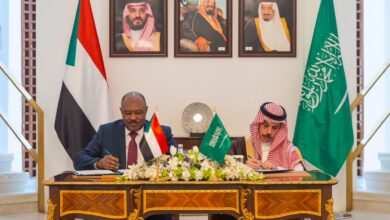
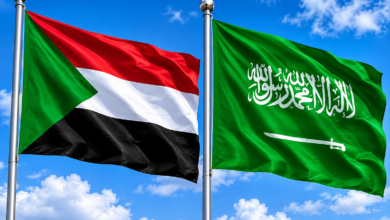
Saudi Arabia became involved in Sudan’s crisis through the Jeddah talks, which it launched with the United States in May 2023. Riyadh drew on its financial and diplomatic clout and its interest in Red Sea security. Researchers at the European Council on Foreign Relations (ECFR), however, describe Saudi diplomacy as cautious and selective.
- Diplomacy and politics. Despite the signing of declarations of humanitarian principles in Jeddah, Saudi mediation lacked binding mechanisms to hold those who violated truces accountable. Competition with other regional capitals also led Riyadh to limit pressure on the Sudanese army leadership for fear of losing influence to rival blocs.
- Economics. Riyadh used humanitarian aid and promises of future investment in agriculture, ports, and infrastructure as sources of political leverage. Sudanese parties came to view the negotiations as an opportunity to buy time and secure funding, undermining efforts to end the war.
Qatar’s approach: Quiet mediation and financial support
Qatar’s approach to Sudan draws on its long record of regional mediation, including the Doha agreements on Darfur, and its extensive ties with Sudanese political and Islamist groups. According to analyses by the Brookings Institution, Doha has maintained a delicate balance between publicly calling for peace and supporting state institutions based in Port Sudan.
- Politics and diplomacy. Doha hosted senior officials from Sudan’s Sovereignty Council and gave them media and diplomatic platforms to help break their international isolation. Qatar’s involvement in efforts to broker peace remained limited compared with its role in other regional conflicts, leaving the door open to continued military operations.
- Economics. Doha focused on providing relief and development aid through official channels in Port Sudan. This bolstered the legitimacy of the authorities in power and gave them additional resources to withstand financial pressure, without making assistance conditional on a democratic transition or an immediate ceasefire.