Broccoli and Blood Thinners: Do You Really Need to Avoid This Vegetable?
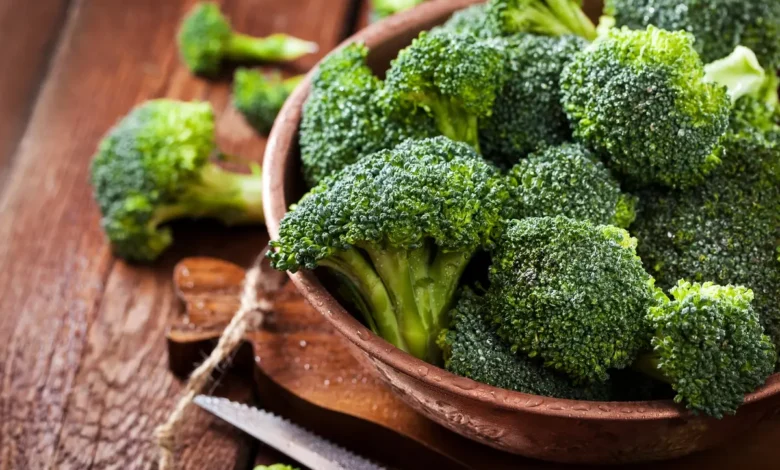
Broccoli is widely recognised as a nutritious vegetable that can support overall health. Rich in fibre, vitamins, minerals and antioxidant compounds, it is an important part of many balanced diets. However, people taking blood-thinning medication sometimes receive warnings about eating broccoli and other green vegetables.
These concerns are mainly related to vitamin K, a nutrient found in broccoli that plays an essential role in blood clotting. For people taking certain anticoagulants, particularly warfarin, significant changes in vitamin K intake can affect how well their medication works.
But does this mean broccoli should be completely removed from the diet? In most cases, the answer is no. The main recommendation is generally to maintain a consistent intake of vitamin K rather than avoid foods containing it altogether.
Understanding how this nutrient interacts with different types of blood thinners can help patients make informed dietary choices without unnecessarily giving up nutritious foods.
Why does broccoli raise concerns for people taking blood thinners?
Broccoli belongs to the cruciferous vegetable family, which also includes cauliflower, cabbage, Brussels sprouts and kale. These vegetables are valued for their nutritional content and their contribution to a healthy diet.
One of broccoli’s important nutrients is vitamin K1, also known as phylloquinone. This vitamin is essential for the production of several proteins involved in blood coagulation. It helps the body form clots when blood vessels are damaged, preventing excessive bleeding.
This role explains why broccoli sometimes raises concerns among people taking certain anticoagulants. When a medication works by interfering with vitamin K, substantial changes in dietary intake can influence the effectiveness of the treatment.
However, this interaction does not apply equally to every blood-thinning medication. The main concern involves a specific group of anticoagulants known as vitamin K antagonists.
How can vitamin K affect anticoagulant medication?
Warfarin is an oral anticoagulant that reduces the activity of vitamin K in the body. By doing so, it limits the production of several clotting factors and makes it harder for blood clots to form.
When someone regularly consumes foods containing vitamin K, the body receives a relatively predictable amount of this nutrient. However, a sudden and substantial increase or decrease in vitamin K intake can interfere with the balance of treatment.
For example, someone who usually eats very few green vegetables but suddenly begins consuming large portions of broccoli every day may experience a change in their response to warfarin. In certain circumstances, the medication’s anticoagulant effect may become weaker, potentially increasing the risk of blood clots.
Conversely, suddenly reducing vitamin K intake may strengthen warfarin’s effect and increase the likelihood of bleeding.
This is why healthcare professionals generally emphasise consistency rather than complete avoidance. Maintaining stable dietary habits makes it easier to keep anticoagulant treatment within its intended therapeutic range.
Should broccoli be completely eliminated from the diet?
For most people taking warfarin, there is no need to remove broccoli entirely. The vegetable offers several nutritional benefits and can remain part of a balanced diet when consumed consistently.
The key is to avoid sudden and significant changes in the amount eaten. Someone who regularly includes broccoli in their meals can generally continue doing so, provided their portions and eating habits remain relatively stable.
Problems may arise when a person suddenly adopts a diet containing large quantities of green vegetables or, alternatively, eliminates nearly all sources of vitamin K.
These changes can affect the balance of anticoagulant treatment and may require closer monitoring.
Patients who want to make major dietary changes should discuss them with their doctor, pharmacist or anticoagulation clinic before altering their eating habits.
Do all blood thinners interact with vitamin K?
Not all anticoagulants work in the same way. Understanding the difference between these medications is essential when deciding whether foods such as broccoli need to be restricted.
Warfarin and certain related medications belong to a group known as vitamin K antagonists. Their action directly involves vitamin K, which means that substantial changes in dietary intake can influence anticoagulation levels.
Other medications, known as direct oral anticoagulants, work through different mechanisms. These include apixaban, rivaroxaban, dabigatran and edoxaban.
Unlike warfarin, these drugs do not depend on reducing vitamin K activity. Their effectiveness is therefore not directly affected by the amount of vitamin K consumed through foods such as broccoli, kale or spinach.
People taking these medications generally do not need to restrict broccoli because of its vitamin K content. Nevertheless, they should follow their prescribed treatment instructions and consult a healthcare professional before making major dietary changes or taking supplements.
Knowing the exact name of the medication is therefore essential before deciding whether any dietary precautions are necessary.
Why INR monitoring matters for people taking warfarin
For individuals treated with warfarin, monitoring the international normalised ratio, commonly known as INR, is an important part of treatment.
The INR is a blood test that measures how long it takes blood to clot. It helps healthcare professionals determine whether the anticoagulant is working within the appropriate therapeutic range.
Because vitamin K intake can influence warfarin’s effect, significant changes in eating habits may make INR levels more difficult to stabilise.
Patients are therefore encouraged to inform their healthcare team when they begin a new diet, substantially increase their consumption of green vegetables or start taking nutritional supplements.
Regular monitoring allows clinicians to assess whether the medication remains appropriately adjusted.
Patients should never change their warfarin dose on their own to compensate for eating broccoli or any other food.
Broccoli still offers important nutritional benefits
Avoiding broccoli without a medical reason may mean missing out on a valuable source of nutrients.
The vegetable contains dietary fibre, which supports digestive health and helps promote fullness. It also provides vitamin C, vitamin K, folate and several minerals involved in normal bodily functions.
Broccoli is additionally rich in plant compounds called glucosinolates, which have attracted scientific interest because of their potential biological effects. Some of these compounds may contribute to cellular defence mechanisms, although their precise role in preventing disease in humans remains under investigation.
As part of a varied diet, broccoli can help improve overall nutritional quality. Its potential interaction with certain medications should therefore be managed appropriately rather than used as a reason to eliminate it unnecessarily.
Practical dietary precautions for people taking anticoagulants
People taking warfarin can generally continue eating vitamin K-rich vegetables, but a few precautions can help prevent unnecessary fluctuations in treatment.
Maintaining a relatively consistent intake of broccoli and other green vegetables is preferable to suddenly increasing or drastically reducing their consumption. Patients planning to follow a restrictive diet or make substantial changes to their meals should seek professional advice beforehand.
It is also important to discuss the use of dietary supplements, herbal products and vitamins with a healthcare professional. Some products may interact with anticoagulants or influence bleeding risk, even when marketed as natural or harmless.
Patients should also be aware of warning signs that may indicate excessive anticoagulation or bleeding. These include unusual bruising, persistent nosebleeds, blood in the urine or stools, and bleeding that does not stop. Such symptoms require prompt medical assessment.
Sudden weakness on one side of the body, difficulty speaking or other possible signs of a stroke require immediate emergency medical attention.
A matter of consistency, not complete avoidance
Broccoli does not need to be automatically excluded from the diet of everyone taking blood-thinning medication. The main dietary concern applies to people using warfarin and certain related anticoagulants, whose effectiveness can be influenced by significant changes in vitamin K intake.
For these patients, maintaining consistent eating habits, attending regular INR checks and informing healthcare professionals about major dietary changes are essential.
People taking direct oral anticoagulants generally do not face the same vitamin K-related restrictions.
Ultimately, a balanced diet can remain compatible with anticoagulant treatment. The most important steps are to understand how the prescribed medication works, follow medical advice and avoid making significant changes to either diet or treatment without professional guidance.