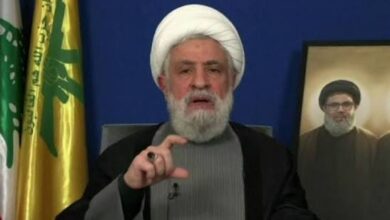
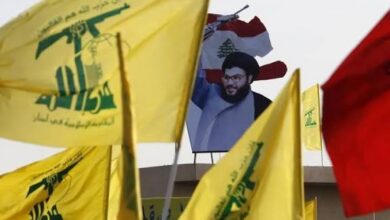
Three paths to escalation: Sources reveal Hezbollah’s plan to unsettle the state and block its bid for sole control of arms
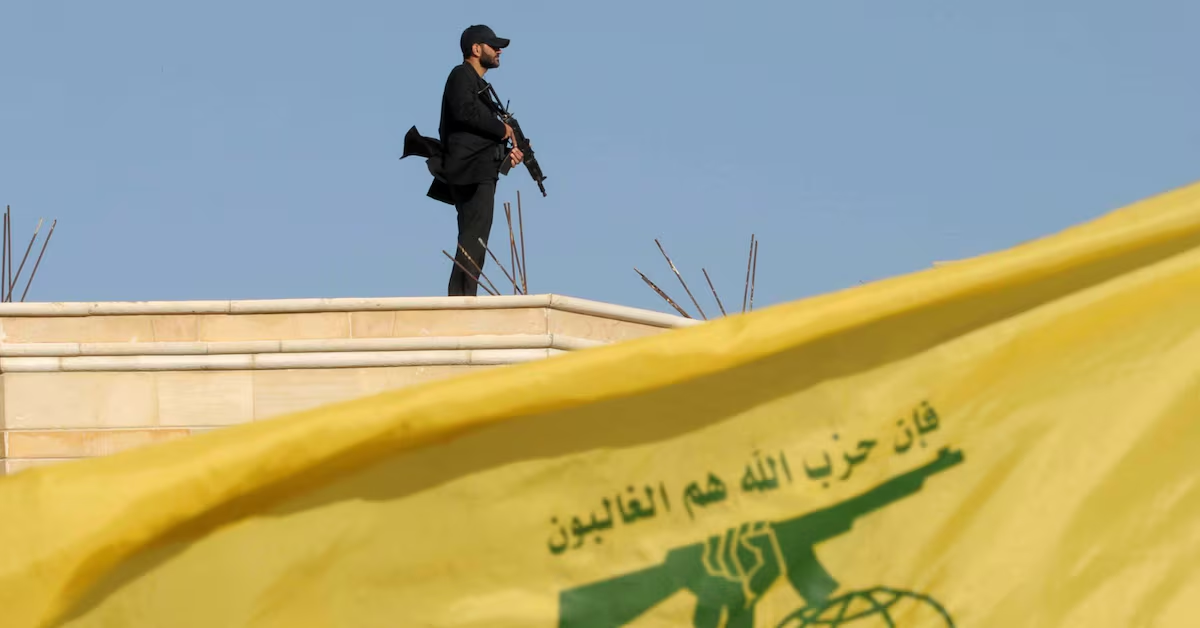
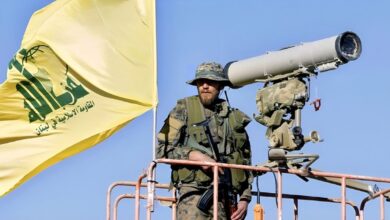
Lebanese political sources said that the Lebanese state had information indicating Hezbollah began implementing a plan on several fronts after President Joseph Aoun’s Independence Day address. The group reportedly aims to challenge the state, undermine the presidency and government, and obstruct measures to bring all weapons under exclusive state control. It seeks to establish the premise that any move against its arsenal would threaten domestic stability and civil peace.
The sources said Tehran’s calculations shape the plan’s strategic objectives. They described three parallel lines of action: political maneuvering to buy time and avoid a direct confrontation with the army for now, provoking domestic incidents to sow disorder and raise fears that security could spiral out of control, and escalating the political and media confrontation with the presidency and government while retaining its cabinet seats to pressure the executive.
The sources added that Hezbollah seeks to turn the dispute over its weapons into a broader political and social crisis that would weaken the presidency and put state institutions under growing pressure. Its push for escalation, however, faces reservations from Parliament Speaker Nabih Berri and differing assessments within Hezbollah’s political leadership and its military wing, which has direct ties to Iran’s Revolutionary Guards.
Tehran retains control over strategic decisions
The sources said Hezbollah’s military wing had been restructured under the supervision of Revolutionary Guard officers. They said major strategic decisions, including the refusal to surrender weapons and opposition to state measures targeting the group’s military apparatus, are shaped by Tehran’s calculations and regional interests.
The sources described differences within Hezbollah. Its political leadership tends to favor avoiding an open domestic confrontation or being drawn into another regional war, given the circumstances facing its supporters, the consequences of the war, and the demands of reconstruction.
Military and field commanders with direct links to the Revolutionary Guards continue to favor escalation and reject concessions under pressure. They regard keeping the arsenal as essential to Hezbollah’s regional role and as leverage Tehran wants to preserve in any future negotiations.
The sources attributed these differences to competing assessments of the costs and limits of confrontation. They said the organization remains intact and noted that its political leadership would bear much of the domestic fallout from military decisions.
Civil peace as leverage
According to the sources, Hezbollah is seeking to reinforce the idea that pressing ahead with its disarmament would threaten domestic stability. The aim is to prompt Lebanese political groups to press the presidency and government to suspend security and military measures or slow their implementation.
The plan reportedly combines public mobilization in areas where Hezbollah holds sway with more forceful rhetoric aimed at rallying supporters. The group accuses the authorities of yielding to foreign demands and targeting a key segment of Lebanese society. It is also demanding the release of its detained members and the return of seized items.
One sign of the escalation came in remarks by Hezbollah lawmaker Hussein al-Hajj Hassan. He described those taken into custody in connection with the Batroun and Bsharri cell case as “detainees” and challenged the legitimacy of the government decisions underpinning proceedings against Hezbollah members.
The sources said Hezbollah is also seeking to capitalize on protests over living conditions and social grievances, as well as concerns about reconstruction. By forging alliances across sectarian lines, it seeks to present opposition to the presidency and government as a broad movement with demands that extend beyond defending its arsenal.
Berri refuses to give political cover to a confrontation
The sources said Hezbollah’s leadership had told Berri it categorically refused to surrender its weapons or accept what it regards as foreign tutelage. It also said it was prepared for confrontation if state institutions insisted on enforcing their decisions by force.
Berri shares Hezbollah’s objections to the terms under which the state would assume exclusive control of arms. He has nonetheless voiced clear reservations about escalation in the streets and refused to provide political cover for any domestic military confrontation or action that threatens civil peace. Berri wants to keep political opposition within constitutional institutions, fearing that domestic understandings could collapse and leave the Shiite alliance between Amal and Hezbollah politically isolated.
This account is consistent with reports that Berri instructed Amal officials and lawmakers in his parliamentary bloc to stay out of the public dispute with Aoun after the Independence Day address.
Confrontation from within the government
According to the sources, Hezbollah currently prefers to pursue the confrontation from within the government. It is using its cabinet seats to pressure the executive and raise disputes over decisions concerning legal action against its members and the seizure of its weapons.
Blocking cabinet meetings or withdrawing its ministers remains an option of last resort if security operations intensify. Berri has reservations about creating a government vacuum amid international pressure.
On March 2, the Lebanese cabinet decided to ban Hezbollah’s military and security activities, require it to surrender its weapons, and restrict its activities to politics. It tasked the security services with arresting violators.
Who has the authority to decide Lebanon’s future?
Writer and political analyst Mazen Bilal says the dispute between Hezbollah and the Lebanese state, led by President Joseph Aoun, has moved beyond the issue of weapons. It is now a struggle over who has the authority to shape Lebanon’s political and security future.
Bilal says the presidency insists on the primacy of constitutional institutions. Hezbollah is counting on its ties with Iran and the possibility that Lebanon could become part of broader regional agreements, easing domestic pressure to bring all weapons under state control.
In Bilal’s view, Berri is trying to keep channels of communication open and avert a confrontation. The parliament speaker nonetheless faces a deep contradiction between two positions that are difficult to reconcile.
Bilal argues that limited security arrangements cannot substitute for a political settlement. Any agreement between Washington and Tehran would resolve Lebanon’s crisis only if it addressed Hezbollah’s ability to make military decisions independently. The group wants to retain its weapons and uphold its terms, while the presidency regards restoring state authority as the basis for any lasting settlement.