Tehran warns Seoul of the consequences of its military deployment in the Gulf
South Korea’s foreign minister assures his Iranian counterpart that the Cheonghae naval unit’s mission is to ensure the safety of South Korean nationals and protect the country’s economic interests.
Iranian Foreign Minister Abbas Araghchi warned his South Korean counterpart that a foreign military presence in the Gulf region could exacerbate tensions and undermine prospects for peace. The warning comes as Seoul prepares to expand the operational area of one of its naval units to include waters south of the Gulf of Oman, amid growing concerns over a renewed military confrontation between Tehran and Washington.
The Iranian Embassy in Seoul said on X on Friday that Araghchi had spoken by telephone the previous day with his South Korean counterpart, Cho Hyun, who reaffirmed that his country had no intention of joining any war or deploying troops in the Gulf.
The conversation comes amid escalating regional tensions, renewed US threats to resume military operations against Iran, and mounting concerns over the potential expansion of the conflict and its repercussions for international trade and energy supplies. Asian oil-importing countries are seeking to prevent further disruptions to vital maritime routes, particularly as persistent tensions in the Gulf could drive up transportation and insurance costs and disrupt oil shipments.
South Korea’s parliament is currently considering a government proposal to expand the operational scope of the Cheonghae naval unit to include waters beyond the Gulf of Oman, with the aim of helping ensure the safe passage of South Korean commercial vessels. The unit has been deployed in the Gulf of Aden since 2009 as part of anti-piracy operations.
The Iranian Embassy also reported that Araghchi had warned that the presence of foreign military forces could “increase tensions and widen the scope of the conflict.”
These remarks reflect Tehran’s sensitivity to any additional military deployment in its surrounding maritime areas. Iran views the Western military presence as a factor that could increase the risk of confrontation, particularly amid US threats. Energy-importing countries, meanwhile, consider the protection of shipping lanes an economic and security imperative closely tied to military developments in the region.
South Korea’s Foreign Ministry said Cho had explained that the naval unit’s mission was to ensure the safety of South Korean nationals and protect the country’s economic interests.
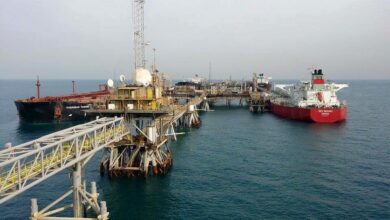
South Korea is among the world’s largest importers of oil and natural gas. In 2025, it sourced 70 percent of its oil requirements from the Middle East, with most shipments passing through the Strait of Hormuz, according to government data.
This heavy reliance on Middle Eastern energy supplies explains Seoul’s determination to secure its maritime trade routes. Any military escalation could threaten tanker traffic through the Strait of Hormuz and the Gulf of Oman, placing additional pressure on the South Korean economy through rising energy prices and supply disruptions. The South Korean government therefore faces a delicate balancing act between protecting its commercial interests, ensuring the safety of its citizens, and avoiding military involvement or measures that Tehran might interpret as participation in operations directed against Iran.
The proposed expansion of the naval unit’s mission comes amid growing fears that renewed warfare could turn the maritime corridors surrounding the Gulf into another flashpoint of regional tension. The repercussions could extend beyond the countries directly involved in the conflict, affecting Asian economies heavily dependent on the region’s oil supplies.