A Corridor for Arms and Terrorism: Bab el-Mandeb Developments Strengthen Houthi-Al-Shabaab Ties
The Red Sea has evolved from a maritime artery facing security threats into a far more dangerous point of contact between its Asian and African shores, particularly around the Bab el-Mandeb Strait.
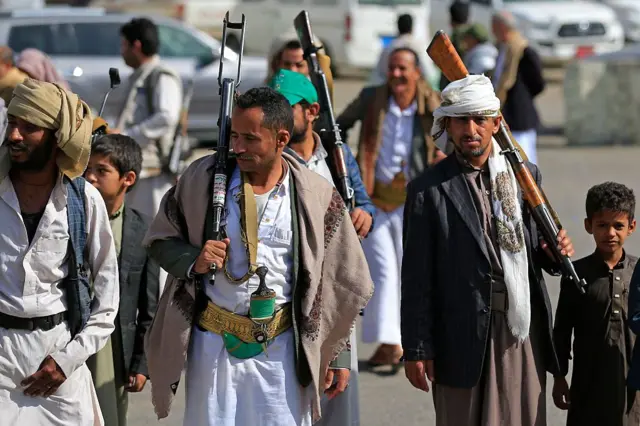
As Houthi militias expand their presence in the waterway, the consequences are no longer limited to Yemen or threats against international shipping.
The development has reportedly strengthened a cross-border alliance between the Houthis and the Somali terrorist organization Al-Shabaab.
According to experts, the growing relationship between the two groups has opened the door to a new era of weapons flows, integrated smuggling networks and exchanges of expertise.
Bab el-Mandeb and the surrounding waters could consequently become a corridor that reshapes the map of terrorism in the Horn of Africa and the southern Red Sea.
-
Why Does Israel Not Want a War with the Houthis?
-
Killing of Financial Leaders: A Major Blow to Al-Shabaab’s Funding Network in Somalia
Direct Participation in the Fighting
According to information obtained, it has confirmed the direct involvement of Al-Shabaab members in the Houthi militias’ campaign to expand toward Bab el-Mandeb.
According to the information, the bodies of Somali militants were found among those killed in the fighting.
The sources also claim that, with Al-Shabaab’s assistance, the Houthi militias have recruited more than 1,500 Somali and Ethiopian migrants to fight in their ranks since 2023.
These recruits were reportedly deployed in the latest battle along Yemen’s western coast.
According to the sources, the Houthis organized the Somali and Ethiopian fighters into five combat battalions, each comprising 300 members, during their multi-front offensive on the western coast.
-
Yemeni Army Recaptures Strategic Positions in Taiz from Houthis
-
Yemen: 350 Civilians Killed or Injured in Houthi Attacks Over Ten Days
The militias also allegedly offered the recruits financial agreements providing monthly payments equivalent to $130, using the money to attract them and deploy them to front-line positions.
Their deployment reportedly extended from the Al-Kadha fronts west of Taiz to Hays in southern Hodeidah, before expanding toward Mokha and Bab el-Mandeb and reaching the Kahbub mountains near the border of Lahj Governorate.
Following this expansion, the Houthis reportedly established a maritime bridge linking Bandar Abbas with Bosaso and Abkh before continuing to Hodeidah.
The route was allegedly used to unload weapons shipments and transport experts to newly constructed docks at the far eastern end of the Ras Issa Peninsula.
-
Houthis Take Control of the Bab el-Mandeb Strait
-
Houthis Enter Mayyun Island and Take Control of the Bab el-Mandeb Strait
Expanding Threats and Arms Smuggling
Experts believe that increased coordination and communication between the Houthis and Al-Shabaab following the latest battle have heightened the risks associated with smuggling, weapons transfers and logistical support.
This cooperation could expand the security threat from Yemen into the Gulf of Aden and the Horn of Africa.
Yemeni researcher Yaqoub al-Sufyani said Houthi control of Bab el-Mandeb would have major consequences, particularly by making it easier for Iranian weapons to reach the group.
“This is an active route and corridor, as we know. The National Resistance Forces and the Southern Giants Forces have repeatedly intercepted major shipments containing tons of weapons and dual-use equipment,” he said.
-
Western Yemen Coast: Iran Leads the Houthi Battle as the Muslim Brotherhood Paved the Way to Mokha and Bab el-Mandeb (Exclusive)
-
Reuters: Houthis Take Control of Mokha Near the Bab el-Mandeb Strait
Al-Sufyani believes the Houthis will seek to smuggle additional Iranian weapons, acquire further capabilities and support their allies among armed and extremist groups in the Horn of Africa, as well as organizations with which they share interests.
He identified Al-Shabaab, which reportedly purchases weapons from the Houthis, as one of the groups cooperating with the Yemeni militias.
According to Al-Sufyani, the Houthis now operate as arms dealers, an activity documented in reports by United Nations Security Council experts.
The latest report by the Security Council monitoring team responsible for Al-Qaeda and the Islamic State said that several Al-Shabaab fighters had entered Yemen through coastal routes before traveling to Shabwa and Marib governorates.
-
Yemeni Army Opens New Fronts and Increases Pressure on the Houthis
-
Iran’s Isolation: The Houthis Breathe Through Cracks in the Wall and Bet on Time
They later reportedly met Houthi operatives to discuss fighter movements and mutual support.
According to the same source, between 150 and 400 Al-Shabaab militants received training from the Houthis.
The findings point to increasing cooperation between the two groups and amplify concerns following the Houthi militias’ expansion toward Bab el-Mandeb.
-
Counteroffensive Launched to Retake Strategic Positions from the Houthis West of Taiz
-
Houthi militias bombard western Yemen with several ballistic missiles
-
To regain the confidence of its supporters… Houthi plans to expand the escalation in Yemen
-
Jibril the Blind… the Middleman in the Blood Alliance Between the Houthis and al-Shabaab