Death of ISIS Spokesman in Yemen in a Devastating Security Operation
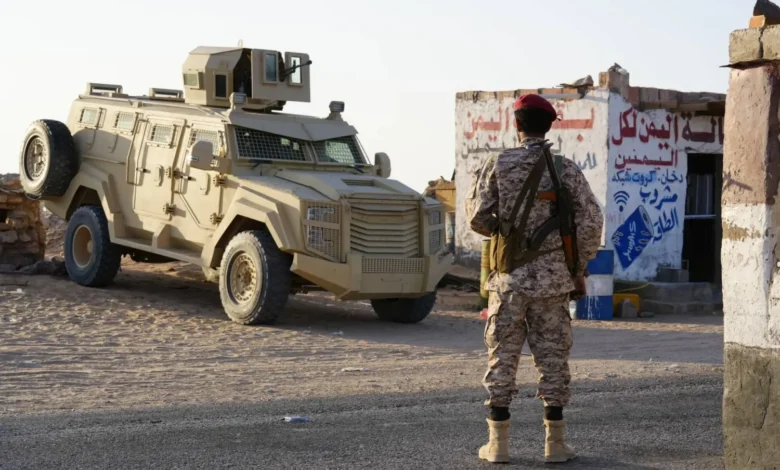
Targeting a figure who combines a leadership role with a media function can place pressure on the extremist organization on two fronts simultaneously: leadership and communications.
Yemeni authorities announced on Tuesday the death of senior ISIS leader and official spokesman Abu Hudhayfa Al-Ansari during a joint security operation carried out by special forces belonging to the coalition supporting the legitimate government, with assistance from Yemeni counterterrorism forces.
-
Yemen Crisis: UN Warns of the Risk of a Large-Scale Conflict
-
Saudi Arabia and South Yemen: when policy shifts from managing influence to an open crisis
Yemen’s Central State Security apparatus said the operation was intended to arrest Al-Ansari but ended with his death during its execution. Special forces from the coalition, together with Yemen’s 22nd Counterterrorism Unit, took part in the operation. The authorities did not officially disclose the location of the operation or its operational details, but confirmed that the participating forces left the area after completing the mission and that no civilians were harmed.
Al-Ansari’s death represents a significant blow to ISIS, not only because of his leadership position but also because he had served as its official spokesman since 2023, making him one of the organization’s most prominent figures associated with its media messaging in recent years. This role is particularly important because it enables the organization to issue statements and propaganda messages and communicate with and mobilize its supporters, even as its ability to maintain control over large geographical areas has declined.
-
The Muslim Brotherhood in Yemen Sparks a Fuel Crisis… What’s the Story?
-
Yemen’s government denounces the Houthis’ virulence; the fuel crisis is fake
The operation comes at a time when ISIS is increasingly relying on small cells and dispersed networks rather than direct territorial control. Consequently, targeting a figure who combines a leadership position with a media role can place pressure on the organization on two simultaneous fronts: command and communications.
This does not necessarily mean, however, that the threat it poses will decline immediately. The experience of jihadist organizations has shown that the loss of senior leaders can lead to a redistribution of responsibilities and the emergence of replacement leaders rather than an end to militant activity.
-
Houthi Militia obstructs solving Yemen’s SAFER oil tanker crisis
-
Yemen’s crisis have been exacerbated by Houthi militia and the Ukraine war
The operation also has another dimension because of the nature of the cooperation behind it. It brought together security agencies, Yemeni counterterrorism forces, and special forces from the coalition. This points to an increasing reliance on intelligence-driven targeted operations and the direct pursuit of senior leaders, rather than large-scale military campaigns alone.
Al-Ansari’s death also demonstrates that Yemen continues to be regarded as an open security theater for extremist organizations, which benefit from the country’s instability and prolonged conflict. Eliminating a senior leader may weaken certain links within the organization, but it does not necessarily eliminate the environment that allows it to rebuild its cells and recruit new members.
-
Sen. Chris Murphy: Saudi Arabia’s Yemen Policy Strengthened the Houthis at the Expense of Its Allies
-
Yemeni political analyst: Houthis are worsening civilians’ suffering as Eid al-Adha approaches amid deteriorating humanitarian conditions
The operation further indicates that the fight against ISIS in Yemen is entering a phase increasingly focused on targeting leadership figures and organizational networks. Such an approach could restrict the group’s ability to move, reorganize, and rebuild its ranks if intelligence and security operations against it continue.
The death of Abu Hudhayfa Al-Ansari represents a clear blow to ISIS’s leadership and media structures in Yemen. However, its ultimate impact will depend on the organization’s ability to compensate for the loss, maintain communication channels between its leadership and cells, and exploit the prevailing security instability to rebuild its influence. The fight against ISIS is not decided by the death of a spokesman or commander, but by the ability to dismantle the networks that enable the organization to survive.
-
Political analyst: The Houthis are dragging Yemen into regional conflicts and pushing the country toward greater isolation
-
Tensions escalate in Yemen… Al-Dhalea rises in support of the Southern Transitional Council amid expanding popular mobilization