Hormuz Crisis Puts Aqaba Port on the Map of Alternative Trade Routes
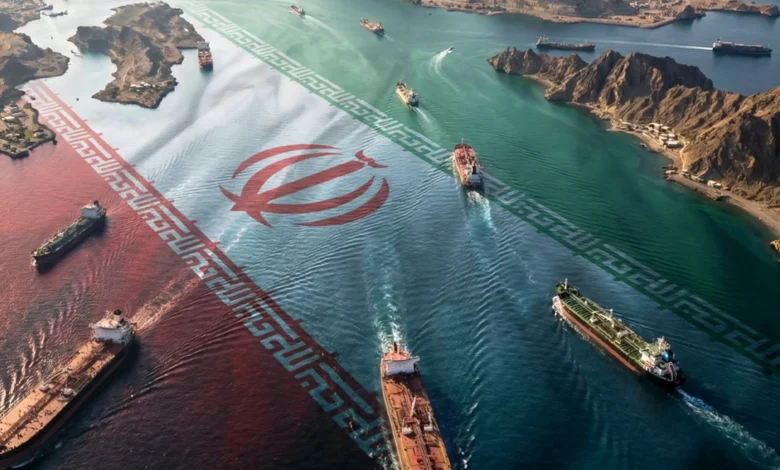
Jordan’s Aqaba port is emerging as an alternative gateway to Iraq and the Levant as shipping through the Strait of Hormuz is disrupted.
Disruptions to energy supplies and trade passing through the Strait of Hormuz have redrawn part of the region’s shipping map. Security risks stemming from the conflict between the United States and Iran have prompted shipping companies and commercial operators to seek alternative routes, with Jordan’s Aqaba port emerging as one of the main beneficiaries.
-
Shipping Traffic Through the Strait of Hormuz Falls to Unprecedented Levels as Tensions Escalate
-
What Does Tehran Want in Exchange for Reopening the Strait of Hormuz?
Port data show that the increase was far from marginal: cargo volumes transiting through the Aqaba Container Terminal surged by 155.1% during the first half of 2026 compared with the same period last year. The increase reflects a shift in cargo transportation routes, particularly for goods bound for Iraq and the Levant, after the crisis caused a sharp decline in shipping activity through Gulf ports.
Anjeshuman Mustafa, the commercial executive director of Aqaba Container Terminal, said container trade grew by around 5%, noting that the increase in volumes, particularly those destined for the Levant and Iraq, was the main driver of this growth.
Iraq stands out in this equation. Before the crisis erupted, large quantities of consumer goods reached the Iraqi market through the Gulf port of Basra, but the decline in shipping through Hormuz prompted operators to look for alternatives. Under the new route, containers are unloaded at Aqaba port before being transported overland by truck for approximately 760 kilometers to Iraq.
-
Hormuz at the heart of the conflict after six months of war: 20 dead in 68 incidents
-
Iranian Authorization Opens the Strait of Hormuz to Iraqi Oil Tankers
This shift has not affected the port alone. It has also extended to Jordan’s road transport sector, which has seen increased demand for freight services. Drivers say the number of trips they make to Iraq has risen significantly compared with the period before the crisis, indicating that the shift in trade routes has generated new economic activity across the transportation chain.
These developments demonstrate that geopolitical crises do not merely redistribute risks; they can also redistribute economic opportunities. The disruption of one of the world’s most important maritime corridors has forced companies to test alternative routes, including those passing through Aqaba before continuing overland to their intended markets.
For Jordan, however, the most important question is not the scale of the gains achieved by the port during the crisis, but its ability to turn this temporary increase in activity into a sustainable trade route. This was reflected in comments by Mashhour Al-Jazi, spokesperson for the Jordan Navigation Syndicate, who expressed hope that the increase could become a permanent route and further strengthen Aqaba’s strategic position even after the crisis ends.
-
Near-Total Paralysis Hits Shipping Traffic in the Strait of Hormuz
-
Iran’s nuclear program: Is the Strait of Hormuz becoming a haven for delay tactics?
This issue is particularly important because the restoration of normal shipping through Hormuz could prompt some commercial traffic to return to its traditional routes, meaning that the continuation of the current growth is not guaranteed. Aqaba’s opportunity therefore depends on its ability to demonstrate that the alternative route is not merely an emergency solution, but a commercially viable option in terms of cost, speed, and security.
The region’s security developments add another layer of complexity, particularly following Iranian attacks on Jordan in response to its participation alongside Washington. Consolidating the gains achieved by Aqaba port will therefore require a stable security environment and logistics infrastructure capable of handling the increase in container and truck traffic.
The Hormuz crisis has highlighted a geographic advantage that Jordan has long sought to capitalize on: Aqaba port’s ability to connect maritime routes with the land-based markets of Iraq and the Levant. If Amman succeeds in capitalizing on the current increase and developing this route, the Gulf shipping crisis could turn a temporary gain into an opportunity to re-establish Aqaba as a regional hub for trade.
-
Washington Launches a New Wave of Strikes as Iran Closes the Strait of Hormuz
-
Hormuz Guarantees and Nuclear Dust: Washington Tightens the Conditions for an Agreement with Iran
-
From the Nuclear Issue to the Strait of Hormuz: Trump Reshapes the Confrontation with Iran as Escalation Knows No Limits
-
U.S.–Iran Agreement on a Mechanism to End the Lebanon War and Reopen the Strait of Hormuz