Fears of Supply Disruptions Push Oil Prices Above $100
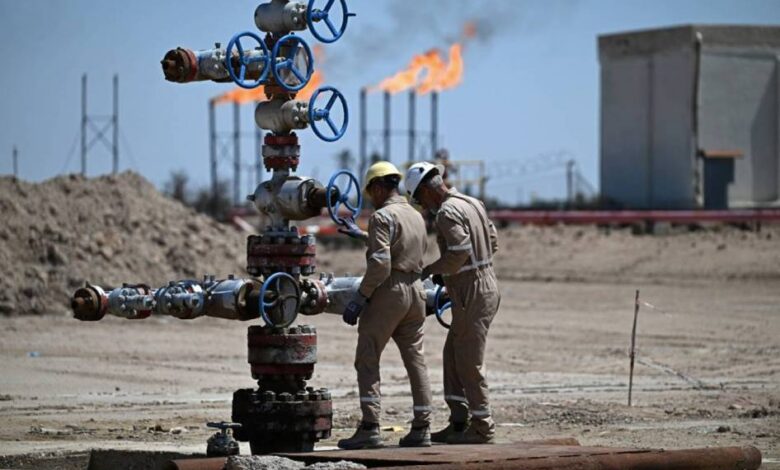
Markets are watching to see whether the attacks will expand to include more production and export facilities or tanker traffic.
Oil prices rose above $100 on Wednesday amid growing fears of disruptions to crude supplies as attacks resumed and the conflict expanded across parts of the Middle East.
By 07:21 GMT, Brent crude futures had risen by $2.15, or 2.2%, to $100.07 a barrel, while U.S. West Texas Intermediate (WTI) crude gained $1.70, or 1.83%, to $94.73 a barrel.
-
Economic rage chokes Iranian weapons networks… sanctions against 10 individuals and companies
-
Alternative Supplies and Massive Stockpiles Keep Oil from Sustained Break Above $100
Tensions have intensified in recent hours following attacks by the Iran-backed Houthi movement on several Saudi cities, targeting sites and facilities linked to the energy sector. At the same time, the United States announced that it had targeted Iranian oil tankers, while Iran said it had attacked a U.S. military base in Jordan and vessels in the vicinity of the Strait of Hormuz.
These developments are increasing the risk of disruptions to oil supplies in a region that is one of the world’s major production and export hubs, particularly as concerns grow over the security of navigation through the Strait of Hormuz, a vital passage for global energy trade.
ING said the latest developments reinforced the view that the resumption of peace talks remained a long way off, and expected the market to continue pricing in a substantial risk premium on oil. Analysts also warned that continued attacks on energy infrastructure and shipping routes could prolong supply disruptions.
In Saudi Arabia, repeated attacks on energy infrastructure could increase pressure on the region’s largest oil producer, despite Riyadh’s efforts to redirect part of its exports away from the Strait of Hormuz in order to maintain the flow of crude to global markets. Analysts believe that a prolonged continuation of the attacks could make these efforts more difficult.
Market concerns are not limited to production itself. The movement of oil tankers and shipping activity in the region have become major sources of concern as attacks and threats targeting vessels and maritime routes increase. Any prolonged disruption to these routes could widen the gap between supply and the volumes actually available to buyers, even if production levels remain relatively stable.
The rise in oil prices comes as global markets assess the impact of the continuing war on inflation and economic growth. A further increase in crude prices could raise transportation, energy, and production costs, while reviving inflationary pressures in oil-importing economies.
-
Fahd Al-Shelaimi: Houthi Deliberately Disrupts the Global Energy Market under Iranian Guidance
-
Wall Street opens lower, disappointing results and indicators add to inflation
With Brent crude surpassing $100 a barrel, the trajectory of the military escalation in the region is becoming the most influential factor shaping prices in the short term. Markets will continue to watch whether the attacks expand to include more production and export facilities or tanker traffic, and whether this will result in an actual and sustained disruption to global supplies.
-
UK – inflation is soaring and growth is slowing
-
The wealth of the world has tripled in 10 years… China has surpassed America