Mali Supports Morocco’s Efforts to Reintegrate Children Recruited by Armed Groups
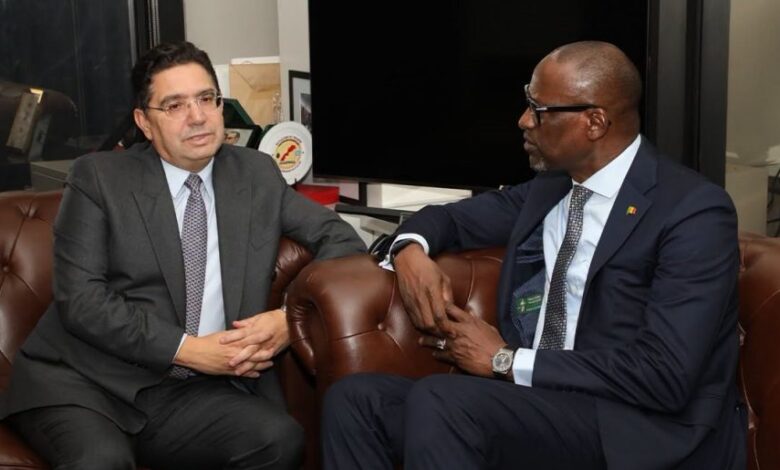
Mali’s foreign minister says the convention developed through Rabat’s efforts will enable African states to exchange expertise and experience in addressing the needs of children associated with conflict, particularly their disarmament, demobilization and reintegration into their communities.
Morocco’s initiative to protect children from involvement in armed conflicts has received praise and support from Mali.
The endorsement coincides with the opening for signature of an African convention aimed at disarming, demobilizing and reintegrating children associated with armed groups.
-
Mubarak Ag Akli… The Defector Fox Who Is Making a Truce with Al-Qaeda and Threatening Mali
-
War Intensifies in Northern Mali Over Control of a Strategic City
The initiative reflects Rabat’s efforts to place child protection at the forefront of international and continental action.
Speaking to the media following Thursday’s ceremony in New York launching the signing phase, Malian Foreign Minister Abdoulaye Diop described the document as “an important convention.”
He explained that it was the result of a collective African effort developed by countries across the continent and said Mali was participating fully in the initiative.
-
Washington Consolidates Its Military Presence in Africa Through Morocco
-
Malian Army Breaks the Siege of Anéfis: Counteroffensive Opens the Road to Kidal
According to Diop, the convention will allow African states to exchange experience and expertise in dealing with children who become associated with conflicts.
It focuses particularly on their disarmament, demobilization and return to their communities, providing a shared framework for addressing one of the most serious consequences of war for younger generations.
Approximately 20 African countries participated in the ceremony marking the opening of the convention for signature.
The event was held at the headquarters of Morocco’s Permanent Mission to the United Nations on the sidelines of the 81st session of the General Assembly and was chaired by Moroccan Foreign Minister Nasser Bourita.
-
Mali moves from neutrality to supporting the sovereignty of Morocco over the Sahara
-
Coordinated Attacks Shake Mali as Fighting Continues and Prison Near Bamako Comes Under Attack
A Continental Pathway for Protection and Reintegration
The document establishes a continent-wide process for assisting children affected by conflict.
It begins with removing them from combat and preventing their continued exploitation by armed groups before creating the conditions necessary for their return to civilian life.
The process is particularly important because children continue to be used in several conflicts as soldiers or as assistants to armed groups.
They are also exposed to abduction, exploitation and violence.
The new initiative forms part of Morocco’s broader involvement in international efforts to protect children from the devastation of war.
-
Mali’s Timbuktu Between Bullets and Siege: Darkness and Thirst in the City of the 333 Saints
-
Al-Qaeda Jihadists Win Over Malians with a Less Radical Discourse
In 2002, Morocco ratified the Optional Protocol to the Convention on the Rights of the Child on the involvement of children in armed conflict.
The international framework aims to limit minors’ participation in hostilities and strengthen their protection during conflicts.
At the United Nations Security Council, Morocco emphasized that children had become one of the groups most severely affected by conflict.
Rabat called for greater emphasis on prevention, efforts to combat impunity and stronger protection for children at risk of falling into the hands of armed groups.
In 2019, Morocco also announced its endorsement of the Vancouver Principles on the protection of children in armed conflict and peacekeeping operations.
-
Iyad Ag Ghali: Mali Places a €3 Million Bounty on the Head of Al-Qaeda’s Sahel Leader
-
Security cooperation between Morocco and Spain leads to dismantling an ISIS cell
A Humanitarian Dimension Beyond Conflict Zones
Morocco’s efforts also have a humanitarian dimension extending beyond areas of active fighting.
Moroccan institutions and their international partners cooperate to protect children in vulnerable situations, including migrant and unaccompanied minors.
These efforts include shelter, psychological support, legal assistance and reintegration, alongside the strengthening of child-protection mechanisms at the local level.
During the first half of 2025, migrant children and minors who were unaccompanied or separated from their families in several Moroccan cities received protection and care services.
-
Gen Z from the Andes to the Himalayas: Leaderless Voices under the Skull Banner
-
Mali Takes Algeria to the International Court of Justice Over Drone Incident
These included psychosocial support, legal assistance, shelter and opportunities for family and social reintegration through programs implemented by UNICEF and its local partners.
The efforts reflect an approach that regards child protection as a responsibility transcending national borders.
It encompasses both preventing minors from reaching the battlefield and helping them recover their normal lives after experiencing violence, exploitation and displacement.
-
High-Impact Operations Shake Terrorist Strongholds in Somalia: Field Victories and International Support
-
Turkish Report Reveals ISIS Expansion in Africa and Its Growing Threat: What Does It Say?