Terrorism Recruits Artificial Intelligence: Inside Boko Haram’s Operations Room
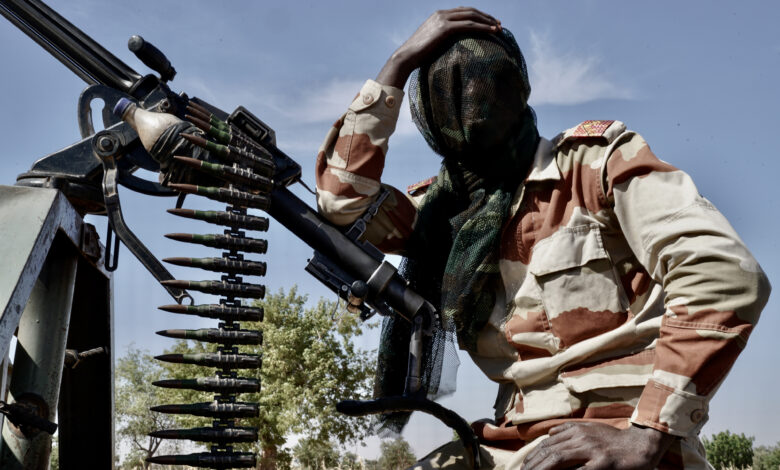
A field study published by the University of Cambridge, based on 57 interviews with former Boko Haram members, has revealed what it describes as “technological terror” in the hands of extremist groups.
Whereas artificial intelligence technologies were once used primarily for propaganda and disinformation, they are now at the core of terrorist operational planning and performance analysis. Commercial AI chatbots have effectively become “digital weapons of war.”
According to The Times, the study draws on 57 interviews conducted with former members of the group, including senior leaders and technical specialists. It presents what researchers describe as “the first field evidence demonstrating that an active terrorist organization is using advanced commercial artificial intelligence systems to support military operations.”
From propaganda to military planning
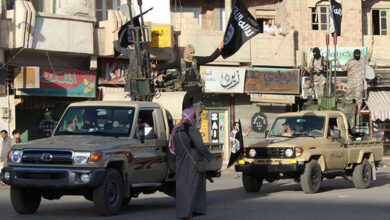
According to the study, the Islamic State transferred these technological capabilities to its West African affiliate, one of the two principal factions that make up Boko Haram.
Interviewees reported that instructors arrived at the group’s camps equipped with laptop computers, projectors, and paid subscriptions to artificial intelligence platforms.
These trainers educated commanders and fighters on the use of these tools before establishing specialized units composed of members with technical backgrounds. These units were tasked with analyzing battlefield failures, diagnosing operational shortcomings, and preparing recommendations that were submitted directly to the group’s leadership. Researchers believe this model was later exported to other Islamic State-affiliated branches through its regional networks.
The study explains that artificial intelligence has become a key resource within the organization for solving everyday operational challenges, whether related to weapon malfunctions, reviewing failed operations, or improving combat plans.
One former commander stated that members increasingly relied on AI chatbots to answer a wide range of military questions, saying, “There is no longer a question for which we cannot find an answer.”
The interviews also revealed that members of the organization managed to circumvent the security safeguards built into commercial AI platforms by framing their requests in misleading contexts, such as claiming that the requested information was intended for a film or theatrical production.
Whenever one system refused to respond, they simply switched to another platform, taking advantage of subscriptions to multiple AI services. The researchers viewed this as evidence of how easily existing safeguards can be bypassed.
Artificial intelligence reshapes battlefield tactics
The study documents several practical examples of how artificial intelligence influenced Boko Haram’s military tactics.
After defensive trenches surrounding military bases successfully prevented attacks by motorcycle-mounted fighters, Boko Haram members turned to AI chatbots to simulate stunt-like motorcycle jumps they had seen in films. They supplied the systems with precise information regarding motorcycle specifications and the distances that needed to be covered.
A former commander explained that the fighters underwent extremely demanding training, during which 18 members were killed during the trials. Eventually, only eight fighters successfully mastered the maneuver, enabling them to cross the trenches and breach defensive positions during a subsequent attack.
The use of these technologies also extended to post-operation performance assessments. The group analyzed footage captured by body-mounted cameras worn by fighters to systematically identify the causes of operational failures, allowing its leadership to extract tactical lessons that had previously been unavailable.
The AI-generated analyses also prompted a reassessment of the organization’s operational doctrine. Its commanders concluded that relying on smaller, well-coordinated units could be more effective and less costly than deploying large numbers of fighters.
One former member recalled that the group sometimes deployed nearly 200 fighters in a single operation and suffered dozens of casualties before adopting, based on AI-driven recommendations, tactics centered on smaller, more agile, and better-coordinated units.
The researchers emphasized that the study’s findings are based on testimony from former members of the organization and that they were unable to establish a direct causal link between the use of artificial intelligence and any increase in Boko Haram’s operational lethality.
The report concludes that this development represents a deeply concerning indicator of the future of terrorism in the age of artificial intelligence. Technical expertise is no longer a significant barrier for extremist organizations, which are now capable of transforming publicly accessible knowledge tools and commercial AI chatbots into virtual operations centers that support planning, decision-making, and the refinement of battlefield tactics.