The Chlorine Trail: What Leaked Documents Allege About Sudan’s War
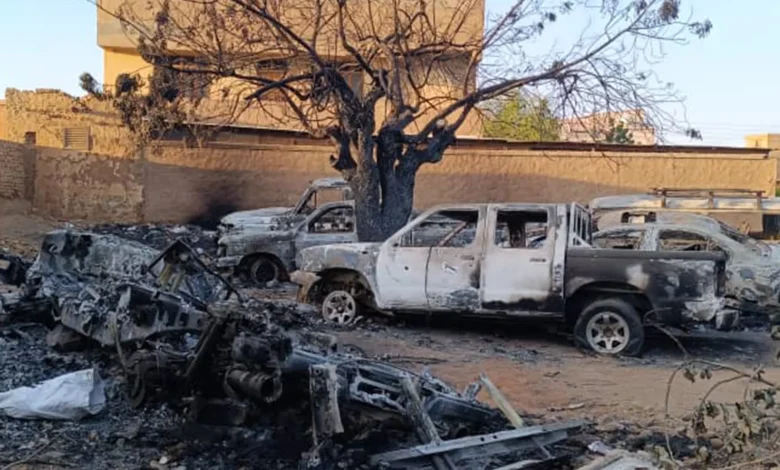
The fighting between Sudan’s army and the Rapid Support Forces has drawn international attention to the front lines. But according to documents cited in this investigation, another part of the war may be taking place far from the battlefield, through import contracts, commercial intermediaries and shipments whose final destination is difficult to trace.
The documents describe alleged procurement networks that enabled the military to obtain chemicals with both civilian and military uses, particularly industrial chlorine. They also claim that some of those supplies were later diverted for use in combat.
Civilian purchases as cover
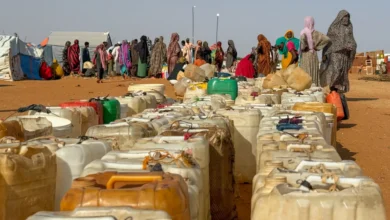
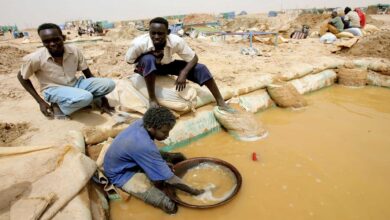
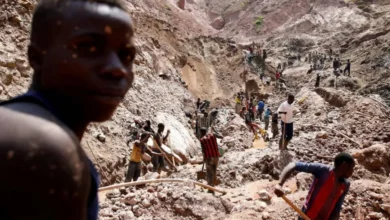
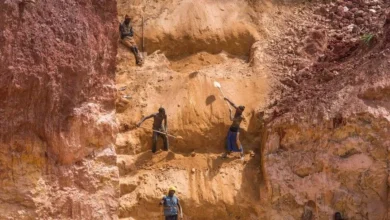
Chlorine has many legitimate uses. It is essential to drinking-water treatment and is also used in gold mining and the manufacture of cleaning products. The investigation alleges that these civilian uses gave military-linked buyers a way to import it without drawing attention.
Documents described as leaked from logistics offices in Khartoum suggest that some orders were placed through private importers or state-affiliated agencies, rather than in the name of the armed forces. The shipments were reportedly labelled as emergency supplies for repairing water-treatment plants damaged by the fighting.
That description would make the cargo difficult to challenge. Blocking supplies presented as necessary for clean drinking water could be portrayed as worsening an already severe humanitarian crisis.
A route through intermediaries
According to the investigation, the shipments did not travel directly from producers to Port Sudan. They passed through transit points where front companies allegedly handled purchases of chlorine and other industrial gases.
The cited shipping and commercial records point to companies operating in regional free-trade zones with unclear sources of funding. The investigation claims that, at transit ports, shipping documents were changed and a different end user was named before the cargo continued to Sudan.
After arriving in Port Sudan, the containers were reportedly collected by organisations linked to military manufacturing and taken under guard to storage sites. The documents allege that these movements took place beyond routine health and environmental oversight.
Sanctions and shifting companies
In September 2026, the US Treasury Department imposed sanctions on people and organisations accused of supporting Sudanese military procurement. The measures targeted individuals as well as companies allegedly involved in supplying chemicals, explosives and military equipment.
The investigation claims the network adapted by moving transactions to newly registered companies when existing ones were sanctioned or came under scrutiny. If accurate, this practice would make it harder for authorities to follow the money and track the cargo.
The alleged military use
The documents make their most serious claim about what happened after the chlorine reached Sudan. They allege that industrial supplies were taken to military facilities and transferred into munitions for use in combat.
Those allegations require independent verification. If confirmed, they would show how a chemical needed to provide safe drinking water could be diverted into a weapon. They would also raise a difficult question for international regulators: how can they track the final use of an essential civilian product as it moves through multiple companies and countries during a war?