Sudan: Doctors Describe Unusual Injuries Near Al-Jaili and Sodari
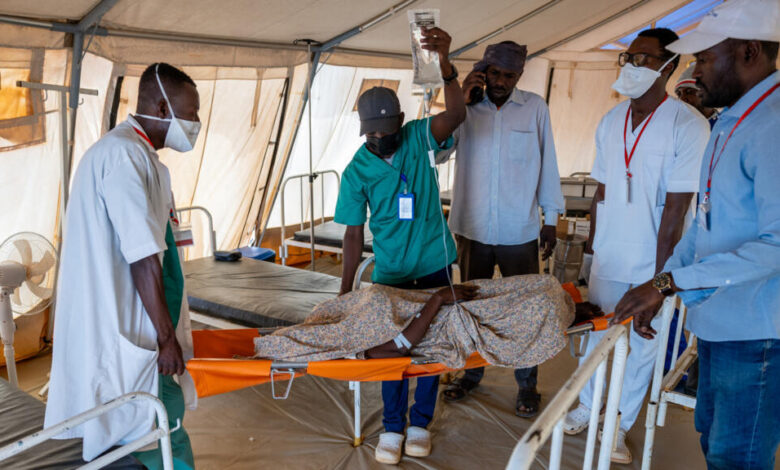
At field hospitals near the Al-Jaili refinery and around Sodari, medical teams are treating the familiar injuries of war: gunshot wounds and shrapnel injuries. But doctors say some patients have arrived with a different set of symptoms, including severe breathing difficulties, eye irritation and skin damage.
Accounts from doctors who examined patients in May and September 2026 have raised concerns about possible exposure to a toxic chemical. The symptoms alone, however, cannot establish what caused them.
-
Doctors Without Borders Documents Wave of Violence Faced by Sudanese in Recent Months
-
Social media is Sudan’s way for doctors to treat patients after the collapse of the health system
A smell that caught doctors’ attention
One doctor working near the refinery described a sharp smell resembling chlorine on patients’ clothing before they entered the medical post. Hospital records cited in the account describe people struggling to breathe, coughing up blood and, in some cases, producing white or pink foam from the mouth or nose.
Foam can be a sign of pulmonary oedema, a condition in which fluid builds up in the lungs. Chlorine inhalation can cause serious lung irritation and lead to this kind of injury. Confirming whether chlorine was involved would require further investigation.
Eye and skin injuries
Medical records also describe swollen eyelids, severe eye irritation and temporary problems with vision. Some patients reportedly had skin lesions on exposed areas, including the face, neck and arms.
Doctors say they observed similar symptoms in both civilians and combatants. They recorded their findings and submitted medical reports to human rights organisations for further examination.
-
Sudan at a Crossroads: The Consequences of Military Leadership and the Question of Civilian Transition
-
Chemical Weapons in Sudan: What Comes After the Accusations and Sanctions?
Treating patients with limited supplies
The medical teams describe shortages of protective equipment, ventilators and other supplies needed to care for patients with serious breathing problems. Transfers to better-equipped hospitals are also difficult.
There is no specific antidote for chlorine exposure. Treatment focuses on removing the patient from the source of exposure, rinsing affected areas and supporting their breathing. In the field hospitals, doctors say they are trying to provide that care with limited resources, often to patients who arrive in critical condition.
Why the records matter
The doctors’ notes could help independent investigators establish when and where patients were treated, what symptoms they had and how their conditions changed. They are an important starting point, but they cannot by themselves prove that a chemical weapon was used or identify who was responsible.
An independent investigation, supported by clinical records and other evidence, is needed to determine what caused the injuries reported near Al-Jaili and Sodari.
-
Chlorine as a Weapon in Sudan’s War: Why Do the New Pieces of Evidence Raise Serious Questions?
-
Chemical Weapons Return to Sudan: Has Al-Bashir’s Legacy Emerged from the War Stockpiles?
-
The Sudanese Army’s Use of Chemical Weapons in Darfur: An Analysis of the Amnesty International Report and the Jebel Marra Campaigns
-
Ed-Daein Hospital massacre: escalating targeting of healthcare facilities in Sudan’s war
-
Bombing of Ed-Daein Hospital: military escalation raises fears of targeting healthcare facilities in Sudan’s war