The Repercussions of Tunisia’s Black Decade Continue to Haunt the Muslim Brotherhood: Ennahdha Secretary-General Sentenced to Three Years in Prison
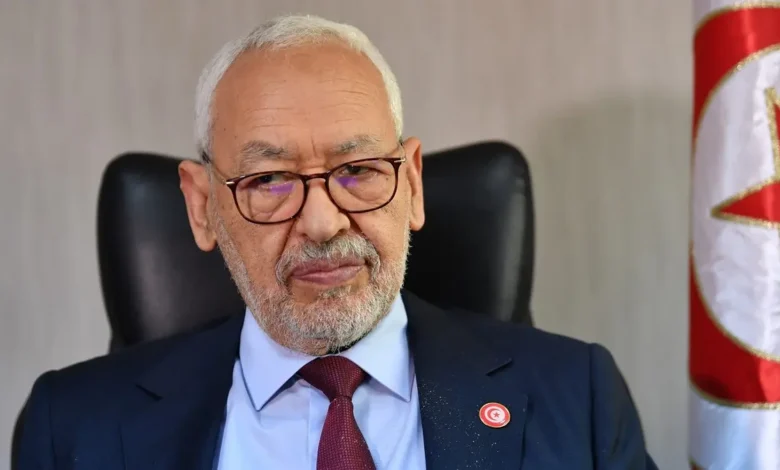
In a new chapter of Tunisia’s ongoing effort to hold the Muslim Brotherhood accountable for the crimes committed during the so-called “Black Decade,” the Ennahdha Movement, the Tunisian branch of the Muslim Brotherhood, has suffered another judicial setback as its senior leaders continue to face terrorism-related prosecutions.
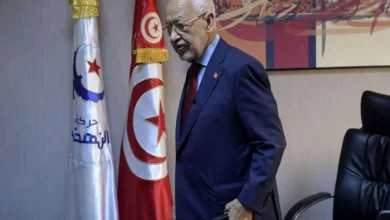
On Friday, the Criminal Chamber specializing in terrorism cases at the Tunis Court of First Instance sentenced Ennahdha Secretary-General Ajmi Lourimi and Muslim Brotherhood member Mosab Gharbi to three years in prison in a terrorism-related case.
-
The Muslim Brotherhood’s Secret Apparatus Verdicts: Tunisia Opens the Door to Banning Ennahdha
-
New rulings against Rached Ghannouchi and three Ennahdha leaders
In July 2024, the Public Prosecutor referred Lourimi and Mosab Gharbi, a youth leader within the Ennahdha Movement, to the Judicial Counterterrorism Pole, a specialized court. The case concerns allegations that Lourimi concealed Gharbi, who was wanted in a terrorism case involving accusations of inciting unrest and spreading chaos throughout the country.
Lourimi was appointed Secretary-General of the Ennahdha Movement in September 2023 following the imprisonment of the movement’s president and long-time leader, Rached Ghannouchi, on terrorism-related charges, as well as the detention of the acting leader, Monder Ounissi, in September 2023 on charges of conspiring against state security.
-
The Tunisian judiciary continues dismantling Ennahdha’s legacy: verdicts against Ghannouchi raise total sentences to 48 years
-
Tunisia’s Muslim Brotherhood: Are the Recent Judicial Rulings Paving the Way for the Dissolution of Ennahdha and Its Classification as a Terrorist Organization?
Ajmi Lourimi enrolled at the Faculty of Arts and Humanities in Tunis in 1981, where he began his student activism within the Islamic Tendency Movement, which later became the Ennahdha Movement. Together with other activists, he helped establish the General Union of Tunisian Students in April 1984, an initiative that led to his expulsion from the university.
In 1985, he continued his studies at the Faculty of Arts and Humanities in Rabat, where he earned a bachelor’s degree in philosophy. He returned to Tunisia in 1988 to resume his leadership role within the Islamic Tendency Movement at the university, eventually becoming head of its Political Bureau and the movement’s official spokesperson.
-
Descendants of the Muslim Brotherhood and Ennahdha Movement: Tunisian Calls to Ban the Radical Hizb ut-Tahrir Party
-
Tunisian Brotherhood: Arrest of 80 Leaders from the Ennahdha Movement. What Are the Charges?
At the same time, he also served as editor of the weekly publication “Al-Hadath Al-Tollabi” (The Student Event), a role that secured him membership in Ennahdha‘s Political Bureau.
Following the launch of the Muslim Brotherhood-affiliated newspaper “Al-Fajr,” Lourimi joined its editorial board as editor responsible for university affairs, youth issues, and international affairs.
After the arrest of Ali Larayedh, the movement’s spokesperson, and Hammadi Jebali, the managing editor of Al-Fajr, Lourimi was appointed in February 1991 to the Executive Bureau of the Ennahdha Movement and became head of its Political Bureau.
Following the events of 2011, Lourimi returned to senior leadership within the movement. He was appointed Vice President of Ennahdha with responsibility for culture, education, and youth affairs, before later becoming a member of the Executive Bureau in charge of media and communications.
-
Referral of Several Ennahdha Leaders to the Anti-Terrorism Pole
-
Analysts Reveal Ennahdha Movement’s Plans to Ignite Tensions in Tunisia
-
Tunisian Analyst: Ennahdha uses false propaganda and pressures to undermine elections