Tunisia’s Muslim Brotherhood and the street card: a desperate attempt to reposition itself
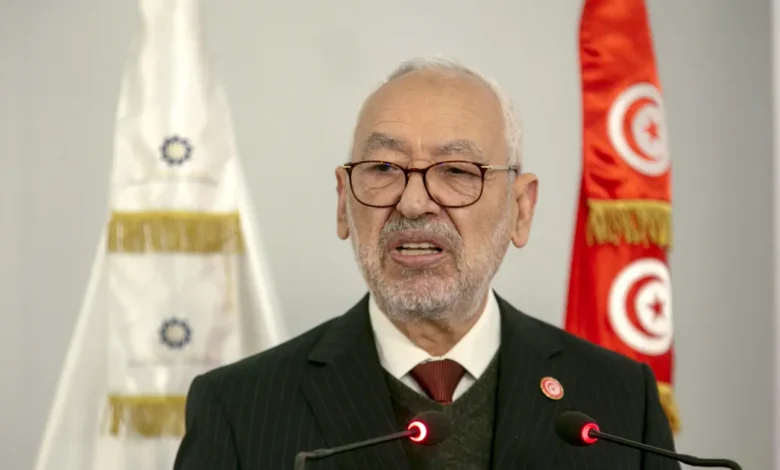
Tunisia’s Muslim Brotherhood is once again attempting to reposition itself within the country’s political landscape by taking part in sectoral protest movements.
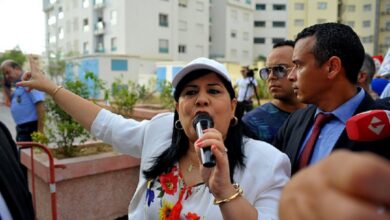
Five years after the fall of their rule, Tunisia’s Muslim Brotherhood is seeking to operate behind the cover of civil opposition, hoping to break the group’s political isolation and regain a foothold in the streets by calling for participation in the “Nafs” protest movement scheduled for August 20.
-
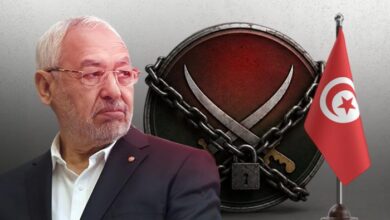
Ghannouchi and the Secret Apparatus Case of Tunisia’s Muslim Brotherhood: Absence as an Escape Does Not Halt Accountability
-
National reconciliation: a maneuver by Tunisia’s Muslim Brotherhood to break isolation and evade accountability
According to experts, Tunisia’s Muslim Brotherhood organization is exploiting every available circumstance to pressure authorities into releasing its detained leaders.
After the failure of the hunger strike undertaken by the group’s leader, Rached Ghannouchi, the organization has returned to using street mobilization as a means of exerting pressure.
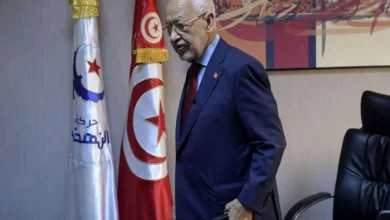
Ghannouchi’s defense team announced in a statement on Monday that Rached Ghannouchi, the 85-year-old leader of the Ennahda Movement, had begun an open-ended hunger and medication strike “in protest against the complete isolation imposed on him in the hospital where he is being held.” It later announced that he had suspended the strike “at the request of the medical staff.”
-
The dance of the slaughtered rooster: Tunisia’s Muslim Brotherhood seeks a return through the Iranian gateway
-
Tunisia’s Muslim Brotherhood facing terrorism accusations… A return to the tools of takfir and incitement
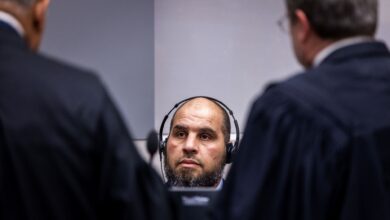
The Muslim Brotherhood organization faces numerous serious cases, including allegations of conspiring against state security, espionage, political assassinations, the existence of a secret Brotherhood apparatus, sending terrorists to conflict zones, and money laundering.
Desperate attempts
Tunisian political activist Khaled Baltaier said the Muslim Brotherhood organization was seeking to break the political isolation imposed on it by the authorities and society following the decisions of July 25, 2021.
He said that the mobilization, conducted “under the banner of independent civic initiatives such as ‘Nafs,’” provides the group with popular cover while also allowing it to integrate into a broader spectrum of progressive and left-wing opposition forces confronting President Kais Saied.
-
Refusal to Attend His Corruption Trial… The Leader of Tunisia’s Muslim Brotherhood Evades Justice
-
Tunisia’s Muslim Brotherhood and The Forgotten Promise: Gabès Ignites Retroactively
He said that operating behind civilian fronts helps reduce the impact of direct security investigations and legal action targeting Brotherhood leaders and members.
He also noted that the Brotherhood was using social movements to break out of its political isolation. According to him, the organization is attempting to operate behind the mobilization of democratic forces in order to overcome public rejection of the group and secure the participation of other left-wing and socially oriented parties, such as the Republican Party and the Workers’ Party, in popular protests.
Exploiting the situation
Political activist and analyst Omar Al-Yefarni, meanwhile, said that after the failure of the victimhood narrative and hunger strike strategy adopted by Rached Ghannouchi, the Muslim Brotherhood was attempting to exploit every circumstance to reposition itself, attract attention and pressure the authorities to release its imprisoned members.
-
Tunisia’s Muslim Brotherhood… Failed Attempts to Infiltrate Through the UGTT Crisis
-
The Ghannouchi Hunger Strike: A Desperate Attempt to Salvage What Remains of Tunisia’s Muslim Brotherhood
He said that the movement was exploiting electricity and water outages caused by the severe heatwave, as well as shortages of essential goods, to fuel public anger against the current authorities.
He added that the movement was also seeking to portray itself as a defender of freedoms and democratic rights in order to gain both domestic and international sympathy.
According to him, Brotherhood-affiliated pages operated from abroad have, in recent days, begun to inflame tensions and intensify the spread of rumors in an effort to encourage people to take to the streets.
He explained that pressuring the authorities to release their leader, Rached Ghannouchi, along with the movement’s other imprisoned leaders, remains the organization’s top priority in any form of street mobilization.
-
Four Years After the Fall of Tunisia’s Muslim Brotherhood: An End Mandated by the People
-
Tunisia’s Muslim Brotherhood and the Poison of Discord in Gabès Protests They Once Ignored
-
Tunisia’s Muslim Brotherhood Entrenched in Rumors: A Blade Without an Edge