U.S. threats push oil tankers to avoid the Strait of Hormuz
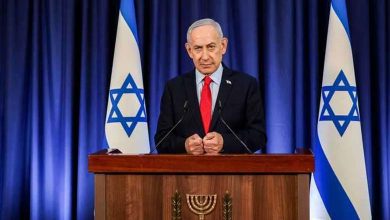
Abbas Araghchi accuses the U.S. side of derailing negotiations in Pakistan by threatening a maritime blockade.
Shipping data show that oil tankers are avoiding the Strait of Hormuz ahead of the U.S. enforcement of maritime control starting Monday, following the failure of peace talks between the United States and Iran over the weekend. Iranian Foreign Minister Abbas Araghchi blamed Washington for the failure, citing what he described as excessive demands and threats of blockade.
-
Advanced techniques and striking power: how the United States besieges Iran and clears the Strait of Hormuz
-
Report: Iran cannot open the Strait of Hormuz, even if it wanted to
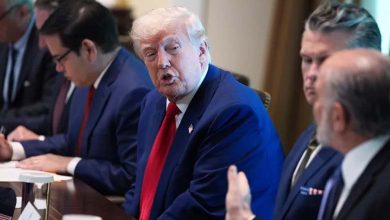
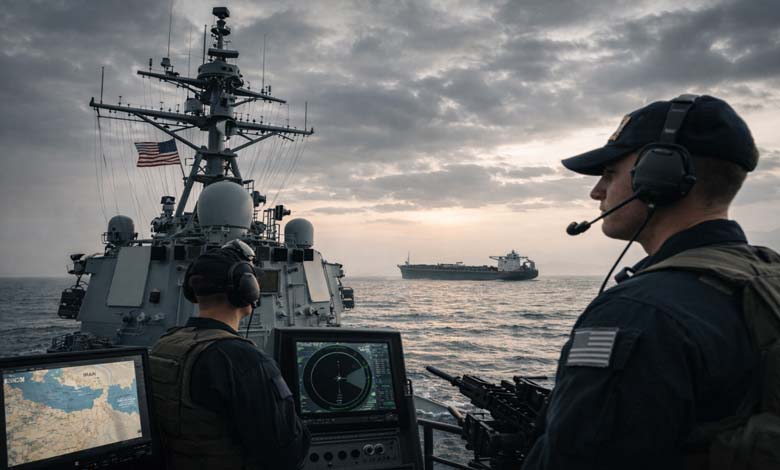
President Donald Trump said on Sunday that the U.S. Navy would begin enforcing control over the Strait of Hormuz, escalating tensions after prolonged negotiations with Iran failed to reach an agreement to end the war, thereby jeopardizing a fragile two-week ceasefire.
The United States Central Command said U.S. forces would begin enforcing control over all maritime traffic entering and leaving Iranian ports at 10 a.m. Eastern Time (1400 GMT) on Monday. In a statement posted on X, it said the measures would be “applied impartially to vessels of all nations entering or leaving Iranian ports and coastal areas, including all Iranian ports on the Persian Gulf and the Gulf of Oman.”
-
Trump proposes U.S. support to ensure smooth navigation in the Strait of Hormuz
-
U.S. intelligence expects a long-term Iranian grip over the Strait of Hormuz
It added that U.S. forces would not impede freedom of navigation for vessels transiting the Strait of Hormuz to and from non-Iranian ports, and that commercial mariners would receive additional information via an official notice before enforcement begins.
Abbas Araghchi accused the U.S. of sabotaging negotiations by threatening a maritime blockade. In a post on X, he said Iran had been “just steps away” from reaching an agreement during talks in Pakistan but was confronted with “excessive demands and threats of blockade.”
He said Iran entered negotiations with the United States “in good faith” to end the war, adding that the Iranian delegation in Islamabad, while on the verge of an agreement, faced “excessive demands, constantly shifting objectives, and threats of blockade.”
-
Postponement of the vote on a UN draft resolution to secure the Strait of Hormuz
-
Trump ready to stop the war on Iran without reopening the Strait of Hormuz
He added: “It seems no lessons have been learned. Good faith breeds good faith, hostility breeds hostility.”
Iranian armed forces spokesperson Reza Talaei-Nik said on Monday that U.S. restrictions on vessels in international waters are illegal and amount to “piracy,” adding that Iran will firmly implement a “permanent mechanism” to control the Strait of Hormuz in response to U.S. threats.
He added that Gulf ports must be accessible to all or to none, warning that no port in the Persian Gulf or the Gulf of Oman would be safe if Iranian ports were threatened.
-
Toward an alliance to secure Hormuz: meeting of the chiefs of staff of 35 countries
-
Bahrain pushes for an international resolution authorizing the use of force in the Strait of Hormuz
Earlier on Sunday, he said control over the strait would remain permanently in the hands of Iran and regional states, claiming that U.S. and Israeli efforts to topple the Iranian system had failed and had made Iran “stronger and more resilient.”
He said Iran had inflicted significant losses on the United States and Israel, adding that “the enemy’s most advanced aircraft were damaged and destroyed during the war.”
The Islamic Revolutionary Guard Corps said on Sunday that any military vessels approaching the Strait of Hormuz would be considered a violation of the ceasefire and would be dealt with firmly.
-
Twenty countries prepare to take part in securing the Strait of Hormuz
-
Iran proposes a new framework to regulate navigation in the Strait of Hormuz after the war
Data from London Stock Exchange Group and Kpler show that the Pakistan-flagged tankers “Shalamar” and “Khairpur” entered the Gulf on Sunday.
The data indicate that the Aframax tanker “Shalamar” is heading to the United Arab Emirates to load Das crude, while the Panamax “Khairpur” is heading to Kuwait to load refined products.
Pakistan’s National Shipping Corporation, which operates the Shalamar, did not respond to a request for comment outside business hours.
-
Iraq negotiates with Iran to allow its tankers to pass through the Strait of Hormuz
-
Without bullets or soldiers: a French solution to the Hormuz crisis
The data also show that the Malta-flagged very large crude carrier “Agios Fanourios 1,” which attempted to transit the strait on Sunday to enter the Gulf for loading Iraqi Basra oil bound for Vietnam, has since turned back and is now anchored near the Gulf of Oman. It is planning to head to Iraq. Eastern Mediterranean Maritime, which manages the vessel, did not respond to a request for comment outside business hours.
Despite the stalemate, shipping data show that three fully loaded very large crude carriers crossed the Strait of Hormuz on Saturday, appearing to be the first vessels to leave the Gulf since the ceasefire agreement was reached last week.
-
Death of the Iranian Revolutionary Guard spokesperson.
-
War-weary Iran: why did it choose the Strait of Hormuz as the arena for retaliation?
In response to Trump’s remarks, UK Prime Minister Keir Starmer said on Monday that Britain would not be dragged into a war with Iran under any pressure and would not support control of the Strait of Hormuz.
Speaking to BBC Radio 5 Live, he said reopening the strait is critical, adding: “It is essential that the strait is fully reopened, and that has been the focus of our efforts recently, and we will continue working toward it.”
Chinese Foreign Ministry spokesperson Guo Jiakun said on Monday that Beijing urges the United States and Iran to exercise restraint and remain calm.
-
Dispute between the army and the Revolutionary Guard over closing the Strait of Hormuz
-
Fake messages.. Iranian boats threaten a US ship in the Strait of Hormuz.. What does Tehran want?
He said in a regular press briefing that maintaining the security, stability, and safety of this vital waterway serves the common interests of the international community, adding that China is ready to work with all parties to safeguard energy security and supply chains.
Finally, the Kremlin criticized Trump’s announcement of a blockade of the Strait of Hormuz, saying it could harm global markets. Kremlin spokesperson Dmitry Peskov said many aspects of the proposal remain unclear.
-
Trump threatens to destroy Iranian vessels as Tehran vows retaliation
-
Benjamin Netanyahu acknowledges difficulty of forming an international coalition to disarm Hamas