What You Eat in Your Thirties May Determine Your Health in Your Fifties

Your thirties are often a period of significant change. Professional responsibilities increase, family life becomes more demanding, and daily routines grow busier. However, this decade is also one of the most important periods for building long-term health. Research suggests that eating habits established between the ages of 30 and 40 have a major impact on the risk of developing chronic diseases after the age of 50. The nutritional choices made during these years can either protect the body or accelerate the aging process of cells and organs.
Beginning in the thirties, the body’s metabolism gradually slows down. It burns slightly fewer calories than it did during the twenties, and muscle mass slowly declines if regular physical activity is not maintained. At the same time, body fat, particularly around the abdomen, becomes easier to accumulate. A diet rich in ultra-processed foods, added sugars, and saturated fats increases the likelihood of weight gain, high blood pressure, type 2 diabetes, and cardiovascular disease. On the other hand, a balanced diet helps preserve the health of the heart, brain, and other vital organs.
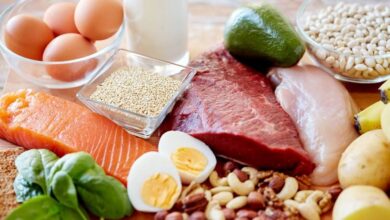
Fruits and vegetables play a central role in a healthy eating pattern. They provide essential vitamins, minerals, fiber, and antioxidants that help reduce chronic inflammation and protect cells from damage caused by free radicals. Whole grains, legumes, nuts, and seeds supply long-lasting energy while supporting digestive health. High-quality protein from fish, poultry, eggs, and plant-based sources helps maintain muscle mass and strengthens the immune system.
Nutrition also has a significant influence on brain health. Regular consumption of omega-3 fatty acids, found in fatty fish, along with foods rich in B vitamins, vitamin E, and polyphenols, has been associated with better memory and a lower risk of cognitive decline later in life. In contrast, diets high in refined sugars and sugary beverages may negatively affect brain function and contribute to metabolic disorders that indirectly impair cognitive performance.
Bone health should not be overlooked during the thirties. Bone density gradually begins to decline with age, making adequate intake of calcium, vitamin D, protein, and magnesium increasingly important. These nutrients help maintain strong bones and reduce the risk of osteoporosis after the age of fifty. Regular physical activity, particularly weight-bearing and resistance exercises, further supports bone strength and overall mobility.
It is equally important to limit excessive consumption of salt, alcohol, and highly processed foods that contain large amounts of sugar and unhealthy fats. Over time, these dietary habits increase the risk of cardiovascular disease, kidney disorders, and certain types of cancer. Drinking enough water and preparing meals with fresh, minimally processed ingredients remain simple yet highly effective ways to promote lifelong health.
Adopting healthy eating habits in your thirties does not require following an overly restrictive diet or giving up your favorite foods completely. Instead, it involves developing sustainable habits based on moderation, variety, and food quality. The benefits of these daily choices often become most noticeable two decades later.
Ultimately, good health in your fifties is not determined solely by genetics or luck. The decisions made during your thirties, especially regarding nutrition, play a crucial role in preventing chronic diseases, maintaining energy levels, preserving cognitive function, and improving overall quality of life. Investing in a balanced diet today is one of the most effective ways to enjoy a healthier and more active future.