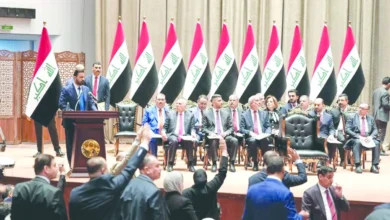
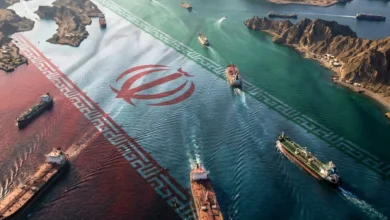
Bahrain pushes for an international resolution authorizing the use of force in the Strait of Hormuz
While some countries seek to secure vital routes by force, the specter of a full-scale escalation remains present in a region that cannot withstand further destabilization.
In a move reflecting escalating regional tensions and growing concern over global energy security, Bahrain has submitted a draft resolution to the United Nations Security Council authorizing the use of “all necessary means” to protect commercial navigation in the Strait of Hormuz, one of the world’s most critical arteries for oil flows.
-
Twenty countries prepare to take part in securing the Strait of Hormuz
-
Iran proposes a new framework to regulate navigation in the Strait of Hormuz after the war
This initiative comes amid intensifying confrontation between Iran on one side and the United States and its allies on the other, accompanied by attacks on vessels and direct threats to freedom of navigation in the strait.
According to a document reviewed by Reuters, the draft resolution is supported by Arab Gulf countries as well as the United States, indicating regional and international consensus on the need to secure this strategic passage. The Strait of Hormuz, through which about 20% of global oil supplies pass, represents an irreplaceable economic lifeline, and any disruption immediately impacts global markets and energy prices.
-
Iraq negotiates with Iran to allow its tankers to pass through the Strait of Hormuz
-
Without bullets or soldiers: a French solution to the Hormuz crisis
The draft resolution describes Iranian actions as a threat to international peace and security, calling on Tehran to immediately cease attacks on commercial vessels and any attempts to obstruct freedom of navigation. It also grants states, whether acting individually or within multinational naval coalitions, authorization to use force to ensure safe passage, including within the territorial waters of countries bordering the strait.
However, despite its political momentum, this initiative faces significant obstacles within the Security Council. Diplomatic estimates suggest that the chances of the resolution being adopted are slim, given the expected use of veto power by Russia and China due to their close ties with Iran. The adoption of any resolution requires the approval of at least nine members without opposition from any of the five permanent members, a condition that appears difficult to meet amid current divisions.
-
Trump mobilizes for a Hormuz alliance and broader international involvement in the war against Iran
-
Two U.S. mine countermeasure ships spotted in Malaysia, far from the Strait of Hormuz
In parallel with this effort, France is working on an alternative draft resolution, expected to be introduced at a later stage, aimed at obtaining an international mandate after tensions subside, reflecting differing Western approaches between immediate action and waiting for greater clarity.
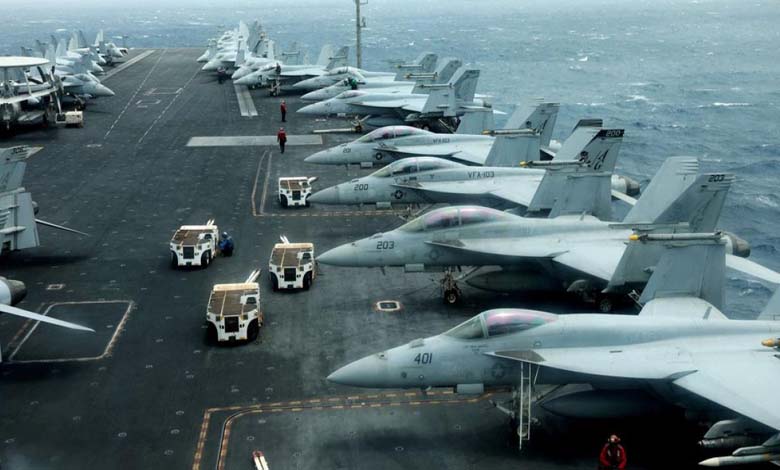
On the ground, these diplomatic moves coincide with US military reinforcements in the region. Officials reported the deployment of around 2,500 Marines, along with the amphibious assault ship “Boxer” and accompanying vessels. Although no specific missions have been announced for these forces, their presence sends a clear message of Washington’s readiness to protect its interests and ensure maritime security.
-
War-weary Iran: why did it choose the Strait of Hormuz as the arena for retaliation?
-
Tehran signals the economic nuclear option in the Strait of Hormuz
Reports indicate that potential military options could include strikes on sites along the Iranian coast or strategic facilities such as Kharg Island, a major hub for Iranian oil exports, raising the level of risk to unprecedented levels.
The Bahraini draft resolution highlights a pivotal moment in the ongoing conflict, where economic interests intersect with military and political calculations. While some states seek to secure vital routes by force, the specter of a broader escalation remains present in a region already on the brink of further instability.
-
Iranian Revolutionary Guard drills in the Strait of Hormuz: readiness assessment and confrontation scenarios
-
Washington Reveals Iranian Plan to Close Strait of Hormuz During War with Israel
-
What is behind Iran’s policy of intercepting oil tankers in the Strait of Hormuz and the Arabian Gulf?
-
The Iranian Revolutionary Guard continues to attack commercial ships in the Strait of Hormuz
-
Fake messages.. Iranian boats threaten a US ship in the Strait of Hormuz.. What does Tehran want?
-
Europe strongly supports negotiations with Iran to end the war
-
A new host country and 15 points… details of the proposal that could end the Iran war