Protein pasta or whole wheat pasta: which is better for your health? Nutritional analysis and metabolic implications
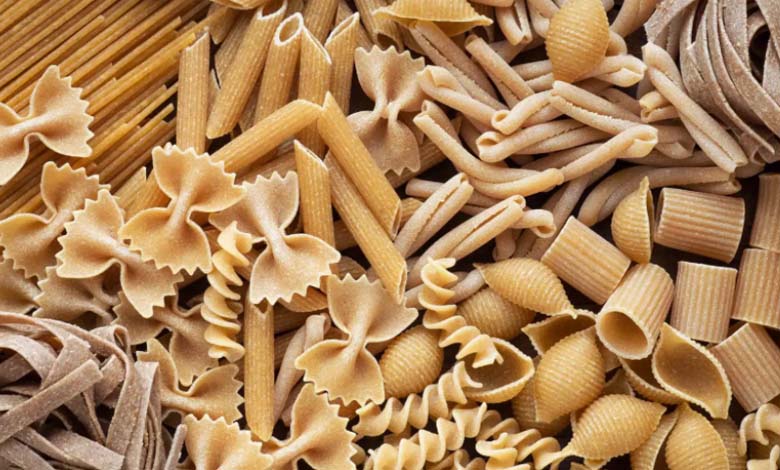
Pasta is a staple food in many cultures around the world. Traditionally made from refined wheat, it has evolved to meet modern nutritional concerns. Among the available alternatives, whole wheat pasta and protein-enriched pasta have gained increasing attention. Choosing between these options raises important questions regarding their respective effects on health, satiety, and metabolism.
-
Rice, Quinoa, or Pasta… Which carbohydrates are best for your health?
-
Five simple ways to increase fiber intake in your diet
Composition of whole wheat pasta
Whole wheat pasta is made from whole grain flour, which retains all parts of the grain, including the bran and germ. This gives it a higher content of fiber, vitamins, and minerals.
Fiber plays a key role in regulating digestion and promoting satiety.
Composition of protein pasta
Protein pasta is typically enriched with proteins derived from plant sources such as legumes. It may include lentil flour, chickpea flour, or other plant-based proteins.
This composition aims to increase protein intake and meet specific nutritional needs.
-
Low-carbohydrate diets may increase the risk of heart disease: scientific explanation
-
Gluten: Why Has It Become a Source of Allergy and Intolerance?
Impact on satiety
The fiber in whole wheat pasta contributes to slower digestion and prolonged fullness. It helps reduce hunger and excessive calorie intake.
Protein pasta also promotes satiety due to its higher protein content.
Effects on blood sugar
Whole wheat pasta generally has a lower glycemic index than refined pasta. It leads to a more gradual increase in blood sugar levels.
Protein pasta may also help regulate glycemic response by slowing carbohydrate absorption.
-
Why Is It Recommended to Follow a Low-Fiber Diet?
-
Important Health Tips to Remember During Ramadan’s Iftar
Nutrient content
Whole wheat pasta provides valuable micronutrients, including B vitamins and minerals. It contributes to a balanced diet.
Protein pasta stands out for its higher protein content, essential for tissue repair and muscle maintenance.
Adaptation to individual needs
The choice between these two types depends on individual nutritional needs. Those seeking to increase protein intake may prefer protein pasta.
Those aiming to improve fiber intake may opt for whole wheat pasta.
-
To Avoid Insulin Resistance and Weight Gain… Beware of “Refined Carbohydrates”
-
These Grains Contain the Lowest Amount of Carbohydrates
Digestive tolerance
Some individuals may be sensitive to fiber or legumes, which can affect digestive tolerance.
It is important to choose according to individual response.
Health goals
Health goals such as weight management, blood sugar control, or muscle support may influence the choice.
Each type of pasta offers specific advantages depending on these objectives.
Processing and product quality
The level of processing can vary. Some protein pastas may contain additional ingredients or additives.
Reading labels helps assess overall product quality.
Role in a balanced diet
Both whole wheat and protein pasta should be part of a varied diet. Their consumption should be combined with vegetables, protein sources, and healthy fats.
This approach optimizes nutritional intake.
Limitations of simple comparisons
Comparing these two types of pasta in absolute terms can be misleading. Their value depends on overall dietary context and lifestyle habits.
A nuanced approach is necessary for informed decision-making.
Whole wheat pasta and protein pasta each offer distinct nutritional benefits. The former is rich in fiber and micronutrients, while the latter provides increased protein intake.
The optimal choice depends on individual needs, health goals, and dietary preferences. A balanced and varied diet remains essential to fully benefit from these options.
-
Fish can be eaten in many ways: fresh, in foil, baked and… smoked!
-
Foods to always have in your pantry
-
The essential role of ZINC in our body