Israel and Iran: Exchange of Strikes as the Houthis Enter the Scene
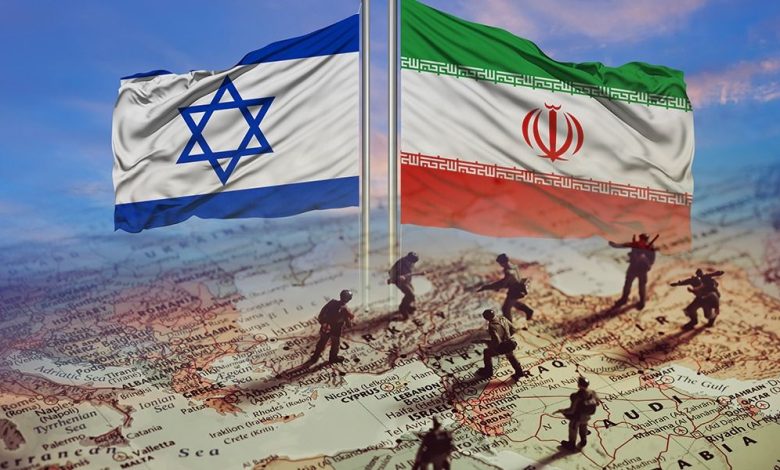
The ongoing exchange of strikes between Israel and Iran, which began on Sunday evening, continues to raise concerns about further regional escalation, while the Houthis, Iran’s ally in Yemen, have now entered the confrontation.
On Monday, the Israeli military announced that it had detected missiles launched from Iran toward Israeli territory, stating that air-defense systems were actively working to intercept the threat.
In a statement, the military said: “Shortly ago, the Israel Defense Forces detected missiles launched from Iran toward Israel.”
It added: “Defense systems are operating to intercept the threat,” while urging civilians to follow instructions issued by the Home Front Command.
Earlier on Monday, Israeli authorities reported intercepting Iranian missiles that had been launched toward Jerusalem.
The latest Iranian attacks came after Israeli strikes targeted Iranian sites in Tehran, Tabriz, Isfahan, Kermanshah, and several other locations, following an Iranian missile barrage launched on Sunday evening.
In the early hours of Monday morning, Tel Aviv announced that it had struck military targets in western and central Iran, despite reports indicating that US President Donald Trump had asked Israeli Prime Minister Benjamin Netanyahu to refrain from carrying out additional attacks.
These attacks and counterattacks marked the first direct military confrontation between Iran and Israel since the US-mediated ceasefire came into effect in early April.
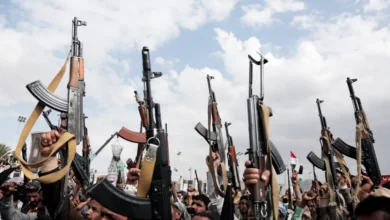
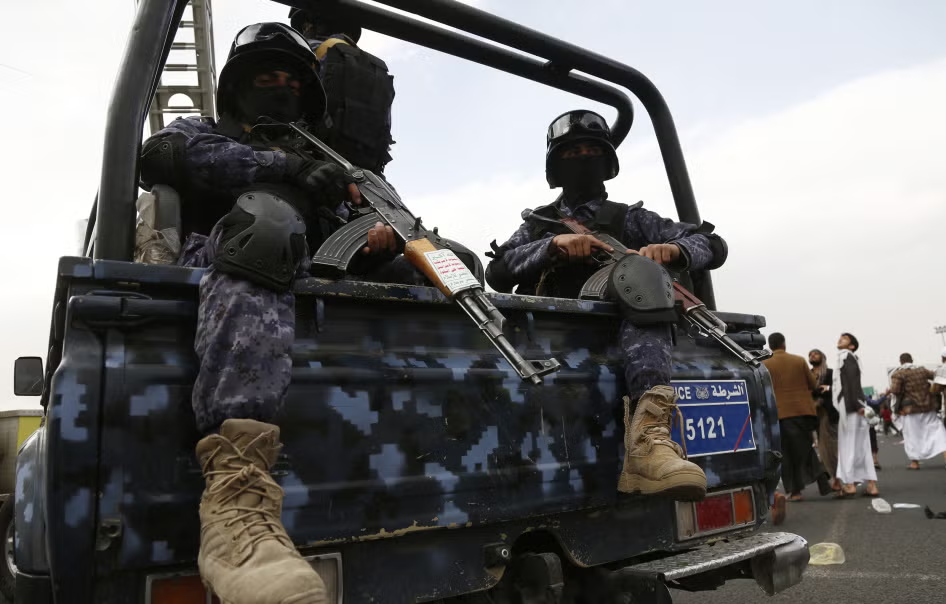
Meanwhile, the Houthis, Iran’s ally in Yemen, announced on Monday that they had carried out a missile attack against Israel. They also declared a ban on Israeli shipping in the Red Sea, raising concerns about renewed disruptions in one of the world’s most important maritime trade routes.
During the Gaza war, the Houthis launched ballistic missiles and drones against Israel. However, they had not become fully involved in the confrontation surrounding Iran during the past several months.