Tehran Announces New Conditions for the Opening of the Strait of Hormuz
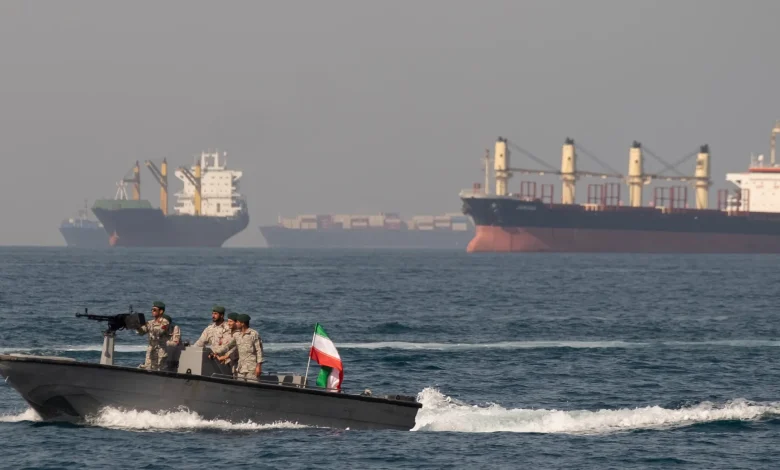
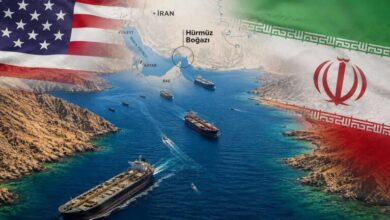
Iran has announced that it intends to maintain a new condition for allowing ships to transit through the Strait of Hormuz: the payment of transit fees to be determined jointly with the Sultanate of Oman.
According to Kazem Jalali, Iran’s ambassador to Moscow, the Strait of Hormuz will remain open, but under new conditions set by Tehran and Muscat, including the payment of passage fees. His remarks come despite warnings from the United States against pursuing such a policy and Oman’s denial that it intends to cooperate with Iran in imposing these charges.
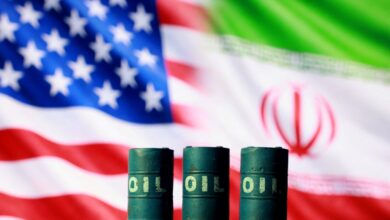
The US-Israeli war against Iran has led to a significant decline in oil flows through the Strait of Hormuz, a waterway that previously carried around one-fifth of the world’s oil supplies. While several tankers have recently departed the Gulf, oil and liquefied natural gas shipments remain well below their normal levels.
In an interview published Monday by the Russian newspaper Izvestia, Jalali stated: “Of course, this strait will remain open, but under new conditions determined by the Iranian and Omani authorities.”
He added: “We understand that Iran and the Sultanate of Oman provide certain services related to this strait. Fees will be collected for those services,” without offering further details.
Tehran insists that any permanent agreement aimed at ending the war should allow it to charge fees to vessels passing through the strait. The fees would vary according to the type of vessel, its cargo, and prevailing conditions.
US President Donald Trump strongly opposes this position, as do the Gulf states. In late May, the United States warned Oman against participating in any joint effort with Iran to impose such fees. US Treasury Secretary Scott Bessent stated that Oman’s ambassador had informed him that no plans existed to introduce these charges.
Strong Gulf Opposition
Iran’s move toward imposing transit fees on vessels crossing the Strait of Hormuz has been met with broad opposition among Gulf countries, which regard the strait as an international waterway not subject to the sovereignty of any single state. They argue that freedom of navigation there is protected under international law and established maritime norms.
Gulf governments fear that such a measure could establish a dangerous precedent by politicizing one of the world’s most important trade routes and turning it into a tool of political and economic pressure.
Regional states also view the proposal as a direct threat to global energy security, given that a substantial share of worldwide oil and gas exports passes through the strait every day.
Potential Economic Consequences
The imposition of additional fees on maritime traffic would increase shipping, freight, and insurance costs, with direct repercussions for energy prices and essential commodities in international markets.
It could also prompt global shipping companies to reconsider their routes or raise charges for customers in order to offset the additional expenses, thereby intensifying inflationary pressures on the global economy.
Experts warn that any restrictions or financial burdens placed on navigation through the Strait of Hormuz could increase uncertainty in global markets and negatively affect investment and international trade, particularly because Asian and European economies remain heavily dependent on energy supplies from the Gulf region.
Meanwhile, Israel announced on Monday that it had struck military targets in western and central Iran, despite reports indicating that President Donald Trump had asked Israeli Prime Minister Benjamin Netanyahu to refrain from launching further attacks.
Japan, which imported approximately 95 percent of its oil needs from the Middle East before the conflict, stated that no fees had been charged after a Japanese-linked crude oil tanker passed through the strategic waterway in May.