Iraq Moves to Address Anti-Money Laundering Deficiencies
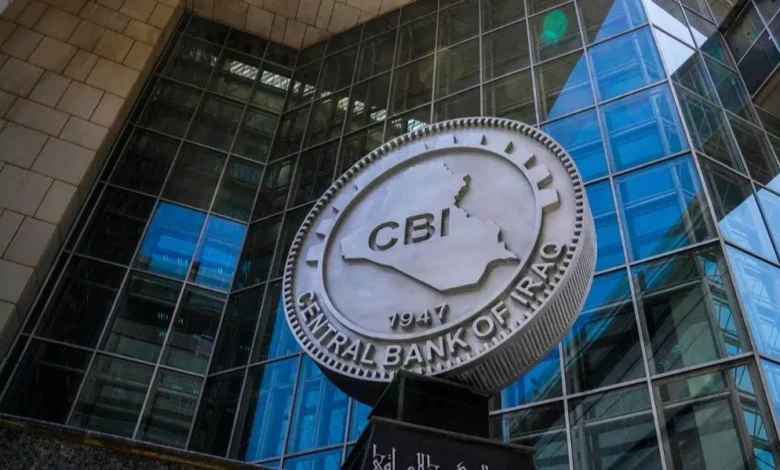
Baghdad’s agreement to cooperate with the Financial Action Task Force (FATF) is not solely linked to compliance with international standards; it also reflects growing pressure to shield the country from the risks of financial isolation.
Iraq has agreed to work with the Financial Action Task Force (FATF) to address deficiencies in its anti-money laundering and counter-terrorism financing framework following a review process that lasted nearly two years, according to a U.S. official. The move comes as recent government actions have highlighted the scale of challenges associated with widespread corruption and the intertwining of political and security influence within state institutions, issues that have increasingly drawn Washington’s attention.
The step is widely viewed as an acknowledgment of the need to address strategic weaknesses in Iraq’s anti-money laundering system, which experts believe have been exacerbated by pervasive corruption, weak oversight of financial flows, and inadequate monitoring of economic activities.
The official stated that Baghdad has already begun taking positive measures that demonstrate a political commitment to complying with international standards, while encouraging the Iraqi government to accelerate the implementation of the action plan established by the international financial body.
This development comes amid growing concerns that entrenched corruption within state institutions has created a favorable environment for illicit financial flows, benefiting from weak oversight mechanisms, multiple centers of influence, and the overlap of political, partisan, and security interests.
Observers believe that Baghdad’s decision to cooperate with the FATF is not merely about meeting international requirements; it also reflects increasing pressure to prevent Iraq from facing financial isolation or being placed on monitoring lists that could restrict banking transactions and foreign investment.
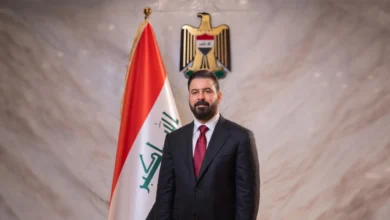
These pressures coincide with a broad restructuring campaign led by Prime Minister Ali Al-Zaidi, which is expected to affect more than one hundred officials. Analysts describe the move as extending beyond administrative reform to an attempt to redistribute influence within state institutions after years of dominance by partisan networks and figures accused of managing public affairs according to political considerations rather than principles of competence and transparency.
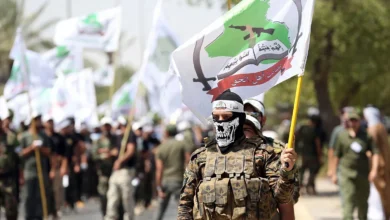
Political sources indicate that the evaluation process is not limited to professional performance but also encompasses the political and organizational affiliations of certain officials, with a tendency to remove individuals accused of close ties to armed factions or of failing to manage the files under their supervision effectively.
These circumstances place Al-Zaidi’s government before a complex test. Combating corruption is not simply a matter of dismissing officials or changing positions; it also requires dismantling influence networks that have become deeply rooted within state institutions over recent years and that have frequently been accused of weakening oversight bodies and entrenching political patronage systems.
Observers argue that the success of any financial and administrative reforms will depend on the government’s ability to confront the deeply entrenched corruption within public institutions, which has been a primary reason for the failure of previous reform efforts and has negatively affected investor confidence as well as Iraq’s financial relations with international institutions.
Political sources revealed that U.S. envoy Tom Barrack discussed during his recent visit to Baghdad issues related to the structure of the Iraqi state, mechanisms for managing sovereign institutions, and strengthening the independence of government decision-making from traditional centers of influence. This reflects Washington’s interest in restructuring governance institutions alongside efforts to address financial and security challenges.
According to the sources, these understandings resulted in the abolition of deputy prime minister positions and the abandonment of the proposed “Federal Security Ministry,” which had been intended to integrate various security formations, including the Popular Mobilization Forces and other armed factions.
At the same time, negotiations continue regarding security ministries and several disputed portfolios, while Al-Zaidi seeks to appoint technocratic figures to sensitive positions in an effort to demonstrate the government’s seriousness in implementing institutional reforms aimed at reducing the influence of traditional power centers.
Observers maintain that the success of these efforts will ultimately depend on the government’s ability to confront deeply rooted corruption networks, which have long been among the most significant obstacles to reform. Furthermore, some financial and administrative files remain tied to complex political balances, making any attempt at change vulnerable to strong resistance from groups whose interests may be threatened.