Saddam Haftar Emphasizes Legal and Humanitarian Standards in Combating Irregular Migration
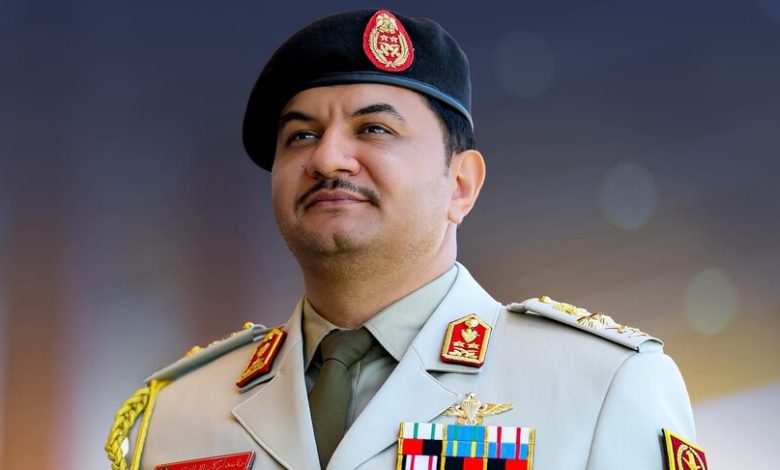
The Deputy Commander-in-Chief of Eastern Libyan Forces affirms that the deportation campaign is being conducted in accordance with the law while preserving individuals’ dignity and human rights.
Saddam Haftar, Deputy Commander-in-Chief of the Eastern Libyan Forces, is seeking to strike a balance between domestic demands and external pressures by emphasizing discipline and professionalism in the campaign targeting irregular migrants. This approach reflects a commitment to international human rights standards while reaffirming the sovereign right of the state to regulate the presence of individuals residing illegally within its territory.
-
Haftar pursues calculated plans to impose himself as a key player in Libya
-
UN Mission in Libya Denies Any Plan to Resettle Refugees in the Country
Haftar presented a balanced message aimed at reassuring domestic public opinion, which has expressed growing concern over the management of migration issues, while also addressing criticism from international human rights organizations. He stressed that the ongoing measures are being implemented in accordance with legal and humanitarian standards, ensuring the preservation of human dignity and fundamental rights.
He also sought to reassure countries whose nationals are currently in Libya, stating that their citizens “are safe” and that they may monitor their conditions. The statement appears intended to prevent any potential diplomatic tensions with Libya’s international partners.
-
Al-Ghariani: Rome meeting discussed resettling Gaza displaced in Libya
-
A rapprochement between Ankara and the authorities of eastern Libya unsettles the Dbeibah government
On Tuesday, Haftar issued instructions to security agencies in eastern and southern Libya to end the unlawful presence of irregular migrants. Following these directives, extensive field operations were launched. Security directorates in several regions announced the apprehension of large numbers of violators and the deportation of groups of migrants by air on the same day.
Authorities in eastern Libya justify these measures by citing growing security concerns associated with migration. Officials argue that human trafficking networks and transnational organized crime groups exploit fragile security conditions and vast border areas to enter Libyan territory and use it as a transit route toward Europe. In this context, Haftar emphasized that the campaign is intended to “preserve public security and protect citizens” and represents a response to what he described as “escalating threats” linked to illegal migration.
-
Benghazi at the Heart of Regional Dynamics: Diplomatic Moves Amid Tripoli’s Turmoil
-
Russian Oil Projects in Libya Threaten Western Interests
This development comes amid a broad national debate regarding the future management of migration in Libya. In recent days, activists have circulated reports alleging that United Nations agencies were planning to resettle irregular migrants within Libya. These claims sparked widespread outrage on social media and were accompanied by calls for the expulsion of migrants and the closure of offices belonging to the United Nations High Commissioner for Refugees in Tripoli.
However, the United Nations Support Mission in Libya swiftly denied these allegations, stressing that none of the United Nations agencies operating in Libya, including the United Nations High Commissioner for Refugees, are implementing any programs aimed at resettling migrants within Libya and that all such reports are “entirely false.”
-
Libya – Details of Bashagha’s failed bid to gain recognition from London
-
Cairo consultations… last chance to address controversial issues and save the Libyan state
These developments reflect the significant pressures Libya faces in managing irregular migration, particularly in light of official estimates indicating the presence of a very large migrant population within the country. In December 2025, Imad Trabelsi, Minister of Interior in the Government of National Unity, estimated that approximately three million irregular migrants were present in Libya, most of whom had arrived in hopes of reaching Europe through the Mediterranean Sea.
Libya remains one of the principal transit points for migrants traveling from African countries toward European shores, owing to its strategic geographic location. Smuggling networks remain active in several coastal cities in western Libya, taking advantage of ongoing political divisions and persistent security challenges.
-
The Muslim Brotherhood Mufti Fuels Libya’s Migrant Controversy Amid Fears of Renewed Chaos
-
Death of the Chief of Staff of Western Libya’s army in a plane crash returning from Ankara
At the same time, Libyan authorities maintain that the country is carrying a burden that exceeds its capabilities in addressing the phenomenon. They continue to call on European countries to provide greater support and assistance, emphasizing that Libya serves primarily as a “transit country” rather than a destination country for migrants.
Caught between security requirements and humanitarian considerations, migration is expected to remain one of the most sensitive issues in Libya’s political landscape in the coming period, particularly as domestic pressures intensify and concerns regarding security, economic stability, and demographic balance continue to grow.
-
The Libyan Presidencies Authority: A step toward unity or a new layer of political fragmentation?
-
Haftar Redraws the Parameters of the Libyan Solution on the Foundations of Sovereignty and National Consensus