Blood Beneath the Gold: Details of the Night of Terror at the Jabal Al-Aqaydat Mines and Survivors’ Testimonies
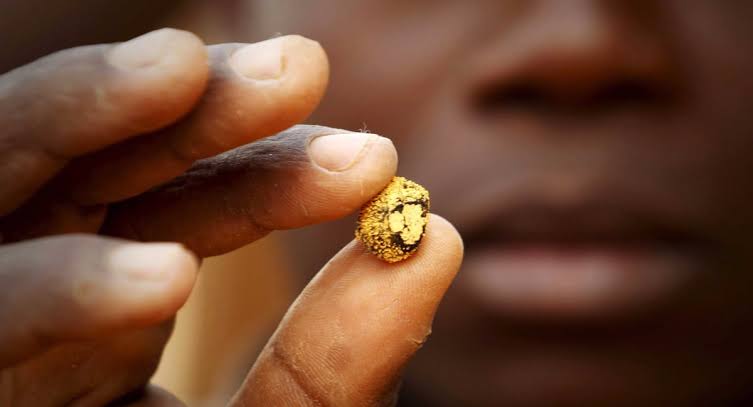
The hopes of thousands of Sudanese workers seeking a livelihood through artisanal gold mining in the deserts of River Nile State turned into a nightmare when they awoke to massive explosions that shook the informal mining mountains in the North Valley and Al-Aqaydat regions.
-
Sovereignty at Stake: The Jabal Al-Aqaydat Airstrikes Put Sudanese-Egyptian Relations to a Severe Test
-
How Did the Strategies of Egypt, Turkey, Qatar, and Saudi Arabia Intertwine to Prolong the Sudanese War?
At six o’clock on the morning of Tuesday, 16 June, drones and combat aircraft launched an intensive attack using four missiles and explosive bombs that directly targeted miners’ gatherings, temporary shelters, and mining wells.
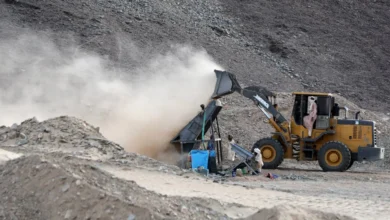
The targeted area, which includes the Red Mountain, White Mountain, and Al-Aqaydat sites, serves as a refuge for more than 6,000 artisanal miners displaced from war-torn regions across Sudan, in addition to workers from neighbouring Chad.
According to preliminary documented figures, the attack resulted in the deaths of more than thirty people and injuries to over fifty others. Dozens of bodies and human remains remain burned beneath the rubble due to the limited capabilities of local rescue teams.
-
The War Economy and the Port Sudan Authorities: War Efforts Consume Teachers’ Salaries and Accelerate Economic Decline
-
Alliance of strategic necessity: the Egyptian–Turkish axis as a central pillar of Sudanese army operations
Eyewitness Accounts from the Heart of the Disaster
Sudanese miner Al-Nadhir Ishaq Mohammed, one of the survivors, recounted the tragic days leading up to the massacre.
According to him, military reconnaissance aircraft had been flying regularly and intensively over the gold wells for an entire week, capturing detailed images of the site, workers’ gatherings, and transport vehicles.
“We believed they were routine border surveillance operations,” he said. “But we were shocked when they returned at dawn and launched three deadly missiles directly at the sleeping tents and the mining shafts where workers were present.”
-
Civil administration in Sudan: is it the only way out of the spiral of collapse?
-
The poisons of war extend to the environment… the Sudanese army turns residential areas into hubs of chemical pollution
Another survivor, Abdelrahman Suleiman, described the humanitarian situation after the strikes as “catastrophic.”
He explained that the bombardment caused widespread panic, forcing thousands of miners to flee randomly into the surrounding mountains and barren valleys out of fear of renewed airstrikes or a possible ground incursion.
He also stated that volunteer rescue teams and residents of nearby villages faced enormous difficulties evacuating the wounded because of the harsh terrain and the reported targeting of some vehicles attempting to transport civilians.
-
Egypt’s role in the Sudan war: a military intervention that prolongs the conflict and deepens the humanitarian tragedy
-
Civilian Transition or Chaos: Sudan’s Final Battle with Itself and the World
Ali Suleiman Ibrahim revealed the extent of the tragedy suffered by his family, as six of his relatives who worked at the Al-Aqaydat mine were killed in the attack.
He identified the victims as Bashir Dafallah Al-Sayyid, Al-Tayeb Jardoul, Jaafar Ibrahim, Saif Al-Din Al-Toumi, Ahmed Al-Hadi, and Mansour Al-Nazif. They were reportedly killed instantly inside their tents before they could seek shelter in the surrounding mountains.
Challenges of Evacuation and Searching for the Missing
The area where the strikes occurred is characterized by its remote desert geography and harsh terrain, significantly complicating the humanitarian situation for the wounded and stranded survivors.
-
The Egyptian Contradiction and Sudan’s Stability Crisis: When Ambiguity Opens the Door for the Muslim Brotherhood
-
How does gold fund al-Burhan’s war, and which foreign entities benefit from it?
Local residents were forced to use their personal four-wheel-drive vehicles to rescue casualties and transport them over long distances toward Al-Ansari Market in Abu Hamad locality. The most critical cases were later transferred by truck to hospitals in the city of Atbara in River Nile State for emergency medical treatment.
Several local human rights organizations, including the Darfur Victims Advocacy Organization and the Sudanese Rights Alliance, issued urgent appeals to humanitarian agencies and the International Committee of the Red Cross to assist in search operations across the desert.
The organizations warned of genuine fears that dozens of miners who fled the attack could die from thirst or become lost in the valleys of Wadi Al-Allaqi and the Red Sea mountain ranges after being scattered across the desert without water or shelter following the missile and ground attacks.
-
The transformation of artisanal mining in wartime
-
Sovereignty at Stake: The Jabal Al-Aqaydat Airstrikes Put Sudanese-Egyptian Relations to a Severe Test