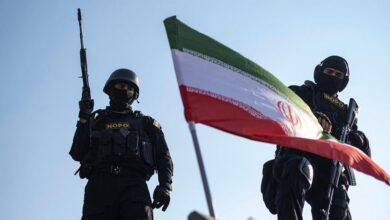
Intelligence Report: Iran’s Support for Its Regional Proxies Will Not Be Affected by Understandings with Washington
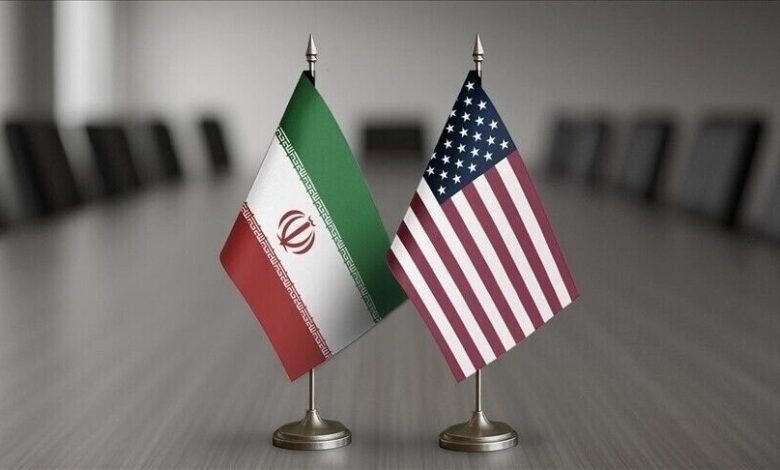
The lifting of sanctions and the release of frozen assets are expected to significantly increase funding for militias, potentially fueling instability across the region in the coming years.
The U.S.-based Soufan Center for Security and Intelligence Research believes that Iran’s support for its proxies and allied groups across the Middle East and beyond will remain a fundamental pillar of its regional strategy. According to the report, this policy is unlikely to be altered by the understandings reached between Tehran and Washington, suggesting that tensions and escalation in the Middle East will continue.
Despite ongoing efforts by countries such as Lebanon and Iraq to ensure that weapons remain exclusively under state control and to dismantle militias, the report argues that Tehran will seek to strengthen financial support for armed groups affiliated with it in the coming period.
The report further suggests that the lifting of sanctions and the release of Iran’s frozen assets will substantially increase funding for these militias, creating a climate of prolonged regional instability in the years ahead, a scenario that Gulf states have repeatedly warned against.
The absence of any Iranian commitment to halt support and financing for its regional allies in the U.S.-Iran memorandum of understanding signed in Islamabad has sparked widespread debate. The document focuses on ending military operations, reviving diplomatic negotiations over the nuclear program, lifting sanctions, supporting reconstruction, and ensuring freedom of navigation through the Strait of Hormuz, while making no reference to one of the most sensitive issues for the United States and its regional allies.
According to the text of the memorandum, the agreed provisions contain no explicit clause requiring Tehran to cease funding, arming, or training its allied armed groups throughout the Middle East. Nor does the agreement address the dismantling or disarmament of these organizations. This reflects a shift in negotiating priorities, with the focus placed on consolidating the ceasefire, addressing the nuclear issue, and advancing economic cooperation, while granting both parties a sixty-day period to negotiate a comprehensive agreement covering the remaining unresolved issues.
Future negotiations will focus exclusively on the nuclear program, sanctions, and economic matters. Iran’s ballistic missile program and its support for armed proxy groups have been excluded from the negotiating agenda. Consequently, the lifting of U.S. sanctions will not be conditioned upon changes to Iran’s regional policy or its relationships with allied groups.
The memorandum also provides for the cessation of military operations across various conflict zones, including Lebanon. However, it contains no provision concerning the disarmament of Hezbollah or the termination of Iranian support for the organization. Instead, it merely calls for a ceasefire and the establishment of a dedicated negotiating mechanism addressing the Lebanese situation, reflecting an effort to separate military de-escalation from issues related to Iran’s regional influence.
This approach has drawn criticism from political circles in the United States, Israel, and several Gulf countries. Critics argue that President Donald Trump’s administration has abandoned demands that Washington had long considered essential to any comprehensive settlement with Tehran, particularly ending support for regional proxy groups and restricting Iran’s ballistic missile program, in favor of prioritizing military de-escalation and reaching an agreement on the nuclear issue.
According to a number of analysts, postponing these issues to later stages may facilitate the rapid conclusion of an agreement. However, it leaves the principal sources of tension and instability in the Middle East outside the scope of direct negotiations, potentially limiting the ability of any final agreement to bring about a meaningful transformation of the regional security landscape.