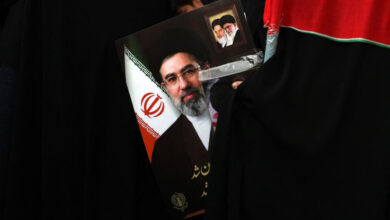
Mojtaba Khamenei and His Father’s Funeral: The Reasons Behind His Absence
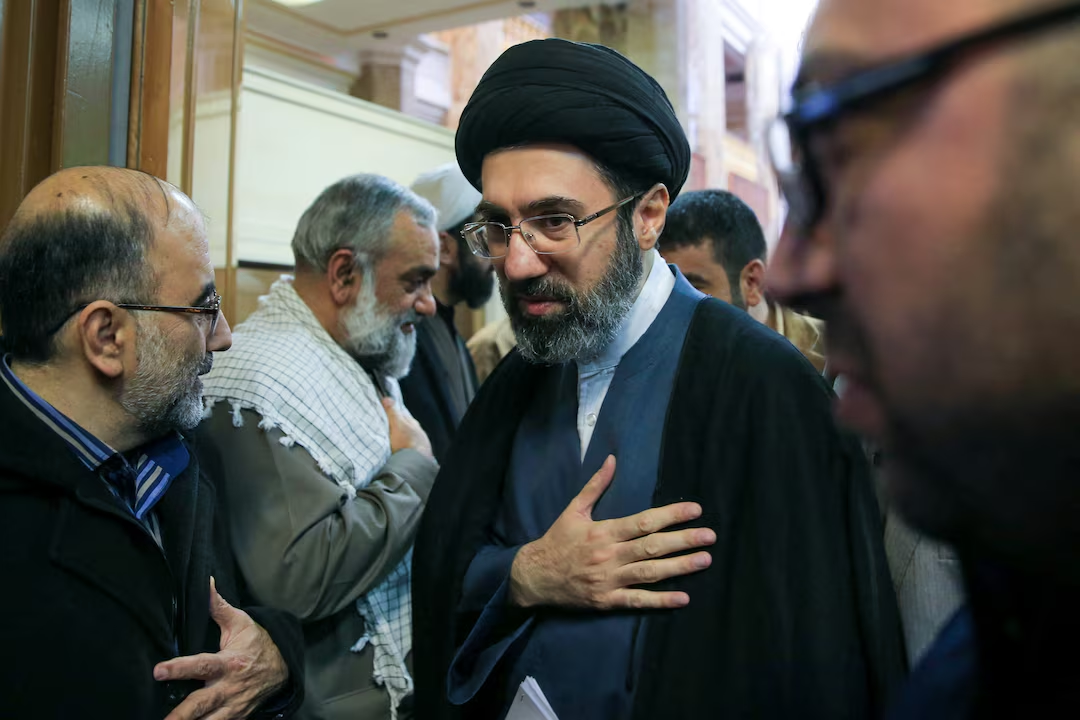
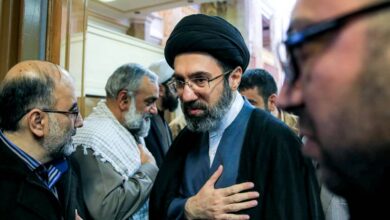
As Iran officially began the funeral ceremonies for the late Supreme Leader Ali Khamenei on Saturday morning, informed sources revealed that his successor, Mojtaba Khamenei, will not attend the proceedings.
According to sources quoted by NBC News, Mojtaba‘s absence is due to the severe injuries he reportedly sustained during the strike that killed his father at the outset of the war.
-
Mojtaba Khamenei Stalls Negotiations… Missing Approval and a Suspended Agreement
-
Mojtaba Khamenei Calls for Unity Amid Domestic Anger and External Pressure
According to an Iranian official and a Middle Eastern diplomat who spoke to NBC News, Mojtaba Khamenei, 56, who was appointed as his father’s successor last March, has not appeared publicly or even released an audio message since the outbreak of the conflict.
Three individuals familiar with the matter confirmed that he was seriously wounded in the same attack that killed his father. He reportedly suffered burns to his face and other parts of his body, as well as injuries to one of his legs that required several surgical operations. They added that the full extent of his injuries and their impact on his ability to perform his duties remain unknown.
-
Mojtaba Khamenei’s silence unsettles Tehran: the Leader’s absence weighs on negotiations
-
Who is Mojtaba Khamenei, before whom Iranian leaders bow?
Funeral ceremonies begin
Iran officially launched the funeral ceremonies for Ali Khamenei on Saturday morning. The ceremonies are scheduled to last six days and will include a procession to Iraq before the burial of his body in Mashhad, according to Iranian state television.
Thousands of mourners gathered at dawn in the courtyard of Tehran’s Grand Mosalla, where Khamenei‘s coffin was placed. Many carried red flags symbolizing revenge, according to an Agence France-Presse correspondent at the scene.
The funeral ceremonies began on Friday with visits by the heads of Iran’s three branches of government to Khamenei‘s coffin, including Parliament Speaker Mohammad Bagher Ghalibaf, who also heads Iran’s negotiating team with the United States, according to footage broadcast by state television.
-
Public Farewell to Khamenei Showcases Support for Iran’s Supreme Leader System
-
Tehran: One Hand Waves the Banner of Revenge for Khamenei While the Other Remains Extended Toward Negotiations
Several foreign dignitaries and official delegations also paid their respects, including former Russian President Dmitry Medvedev, as well as delegations from China, Turkey, Saudi Arabia, India, and Afghanistan, according to the official Iranian news agency IRNA.
Placed beneath Khamenei‘s coffin were the coffins of four members of his family who were killed alongside him, including his 14-month-old granddaughter, according to IRNA.
Appearance of the Revolutionary Guard commander
Images released by Iranian state media on Thursday evening showed Revolutionary Guard Commander General Ahmad Vahidi attending a meeting devoted to the security arrangements for Khamenei‘s funeral.
-
After More Than Four Months… How Did Iran Preserve Khamenei’s Body?
-
Minutes That Shook Iran: Live Broadcast Suddenly Cut Off After Secret Messages Attributed to Khamenei
Vahidi had not appeared publicly since before the war. He was later seen sitting beside Khamenei‘s coffin during a private ceremony held Thursday evening near the former Supreme Leader’s residence in central Tehran, according to the Associated Press.
Warning to Israel and the United States
Ahead of the funeral ceremonies, Iran warned the United States and Israel on Thursday against carrying out any attack on Iranian territory during the mourning period, which is expected to draw millions of participants.
Major General Ali Abdollahi, commander of the Khatam al-Anbiya Central Headquarters, stated that Washington and Tel Aviv should “avoid any miscalculation and carefully consider the severe consequences they could face.”
-
Khamenei’s Authority After the War: Unprecedented Challenges and Two Possible Scenarios
-
The Qom shrine and Mojtaba’s fate… a diplomatic memo reveals surprises
A display of strength
Observers believe the funeral ceremonies represent a demonstration of strength by the Iranian regime, aimed at projecting unity and reaffirming its grip on power following the extensive attacks carried out by the United States and Israel.
The ceremonies come several months after widespread protests swept across Iran in January. According to the report, the authorities responded with a violent security crackdown that resulted in the deaths of thousands of people.
Tehran has been placed under unprecedented security measures in preparation for what could become one of the largest funeral ceremonies in the city’s modern history.
-
Washington offers a large reward for information about Khamenei
-
The will buried with Khamenei: how the Revolutionary Guard overturned the father’s wish
The Mayor of Tehran stated that the event could be the largest ever held in the capital, while organizers expect between 15 and 20 million people to participate.
An NBC News team observed a significant decline in traffic throughout the city. Visitors arriving from outside Tehran were instructed to leave their vehicles on highways surrounding the capital and continue by bus to the city center. Public transportation has also been made free of charge throughout the funeral period.
-
Iran after Khamenei: a disoriented regime and a silent struggle over the Supreme Leader
-
Trump studies Iran’s future after the war and keeps an eye on Khamenei’s successor
Ceremonies lasting several days
Public viewing of the coffin and funeral prayers will continue on Saturday and Sunday at Tehran’s Grand Imam Khomeini Prayer Hall. The official funeral procession is scheduled to begin on Monday through the streets of the capital.
Separate ceremonies will also take place in the city of Qom and in Iraq before Khamenei‘s body is laid to rest on Thursday in his hometown of Mashhad.
The funeral date had been officially announced last month, only days before the United States and Iran signed a memorandum of understanding aimed at ending the fighting. However, efforts to secure a permanent ceasefire later stalled after negotiations hosted in Doha, Qatar, over the past several days failed to achieve meaningful progress.
-
Khamenei’s $4 billion transfer bill for his son restores hereditary succession scenario
-
Iranian uprising: Clashes, international condemnation and Khamenei’s isolation from seminaries