Why Does Egg Yolk Color Vary? The Answer Lies in What the Hen Eats
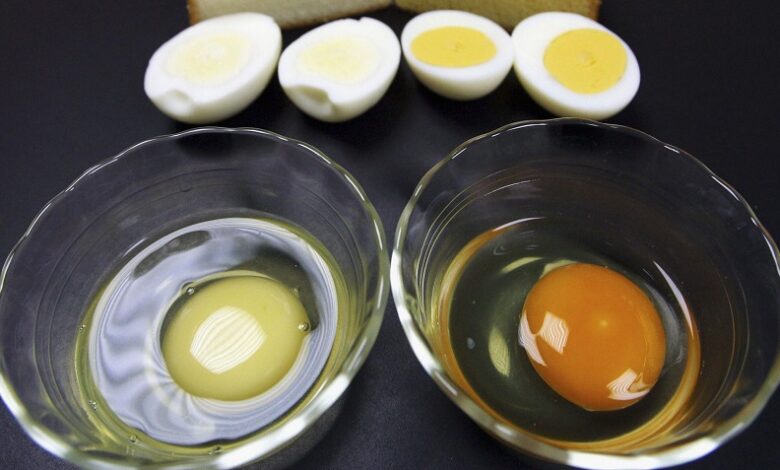
Egg yolks can range in color from pale yellow to deep orange. This difference often raises questions among consumers, particularly about whether a darker yolk necessarily indicates a more nutritious or higher-quality egg. In reality, the main explanation lies in the hen’s diet, especially the natural pigments present in the foods she consumes.
Hens that eat diets rich in carotenoids, which are found in foods such as yellow corn, leafy green vegetables, certain plants, and other plant-based ingredients, generally produce eggs with more intensely colored yolks. These pigments are absorbed through the hen’s digestive system, enter the bloodstream, and are subsequently deposited in the yolk as the egg develops.
Among the pigments responsible for yolk coloration are lutein and zeaxanthin, two carotenoids that are also found in various vegetables and are known for their antioxidant properties. The amount and combination of these pigments in the hen’s diet largely determine the final color of the yolk.
A hen whose diet contains relatively low levels of carotenoids may produce eggs with pale yellow yolks. By contrast, diets containing higher amounts of corn, alfalfa, leafy greens, or other pigment-rich ingredients can result in darker yellow or orange yolks.
Yolk color may also vary according to season and farming conditions. When hens have access to fresh plants, grass, or a more varied diet, their intake of natural pigments may increase, potentially making the yolks more intensely colored.
However, yolk color should not be considered a definitive measure of an egg’s nutritional value. A dark orange yolk is not necessarily higher in protein, fat, or vitamins than a pale yellow yolk. The nutritional composition of an egg depends on the hen’s overall diet, age, physiological condition, and several other factors related to how the birds are raised.
Nevertheless, carotenoids found in egg yolks have nutritional significance. Lutein and zeaxanthin, in particular, have been studied for their potential role in protecting cells from oxidative stress and supporting eye health. Eggs are also considered a useful dietary source of these pigments because they can be readily absorbed by the human body.
Egg freshness does not directly determine yolk color either. A very fresh egg may have a pale yolk, while an older egg can have a darker yolk depending on the hen’s diet. Therefore, yolk color alone cannot be used to determine freshness or food safety.
For consumers, the most important considerations are choosing eggs from reliable sources, storing them appropriately, and following good food-handling and cooking practices. Although the hen’s diet can influence the nutritional composition of an egg, yolk color is primarily a reflection of the pigments present in the hen’s feed.
Ultimately, whether an egg yolk is pale yellow or deep orange, its color is largely determined by what the hen eats. A darker yolk may indicate a higher concentration of certain carotenoids, but it does not automatically mean that the egg is healthier, more nutritious, or of superior quality overall.