To regain the confidence of its supporters… Houthi plans to expand the escalation in Yemen
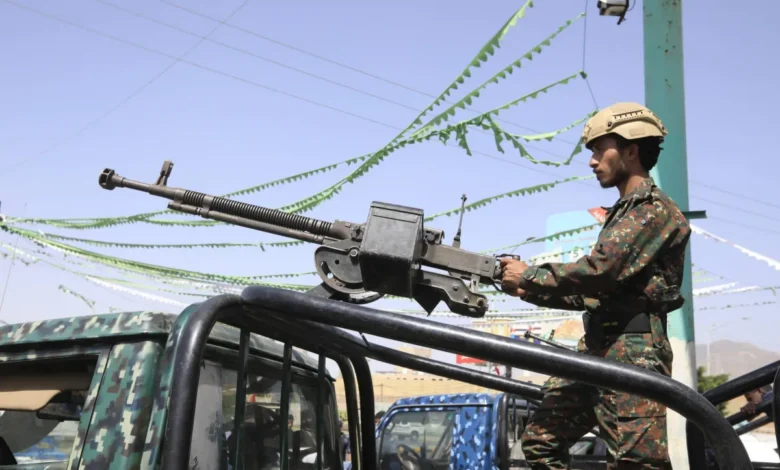
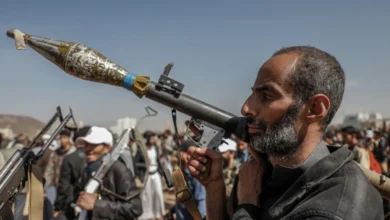
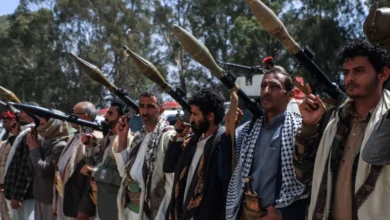
The leadership of the Houthi militia is studying plans to expand the scope of the escalation and shift the theater of operations within Yemen, in an effort to regain the confidence of its supporters following the heavy losses suffered by the group.
The Houthi militia is seriously discussing military plans to be implemented in the coming period in an attempt to restore its supporters’ confidence in its military capabilities following the heavy human and military losses it has suffered in recent weeks.”
The group suffered significant human losses during August, which witnessed the peak of the escalation. The militia lost at least 153 members and field military commanders, while hundreds of others were wounded across various fronts.
-
They Are Seeking to Control Bab el-Mandeb: Yemen’s Government Warns of Houthi Plans
-
With 21 Missiles and a Drone… Houthis Attack Mokha Port
Changing public sentiment
The military plans being considered by the Houthi militia, and which it is seeking to implement, came as security recommendations from the Houthi intelligence services.
According to the sources, the militia’s intelligence services submitted security reports to the “senior Houthi leadership emphasizing the need to bring about a change in the theater of operations” and to “take control of new areas of symbolic and geographic value.”
They confirmed that “senior Houthi military leaders received, during the month of August, a series of security reports documenting a noticeable change in public sentiment, marked by a sharp decline in confidence among social and tribal circles regarding developments on the ground and the Houthi militia’s ability to withstand any anticipated battle or future confrontation.”
-
The Houthis seek to divert attention from domestic deterioration through external escalation
-
Renewed Houthi bombardment of Marib: attack strikes a displacement camp and government forces (exclusive)
Although, according to Houthi intelligence reports, the observed shift in overall Yemeni public sentiment began with the killing of Hezbollah leader Hassan Nasrallah in September 2024 and intensified with the US war against Iran, it has, over the past few weeks, turned into a topic of public discussion and become a firmly held belief among a significant segment of the population, particularly in northern Yemen.
According to the security reports reviewed by the sources, the discussions being monitored “center on the militias’ inability to withstand the anticipated battle, and on the belief that the fate of Houthi leaders and militia forces will be no different from what happened in Iran, southern Lebanon and Syria.”
In their assessment of the discussions taking place, the Houthi intelligence services classified the current discontent as “a new development whose intensity had not been observed since the December 2, 2017 battle between the militias and the late Yemeni President Ali Abdullah Saleh.”
-
Houthis Force Washington to Divide Its Military Resources Between Two Fronts
-
Sen. Chris Murphy: Saudi Arabia’s Yemen Policy Strengthened the Houthis at the Expense of Its Allies
Houthi restrictions
As public confidence in the militias continued to deteriorate rapidly, the security leadership recommended, according to the sources, in reports submitted to the senior leadership, “imposing strict restrictions on public engagement with this discourse, even when it consists merely of reactions on social media platforms and websites.”
The main recommendations also focused on the need for military action to seize new areas “in the liberated provinces” in order to restore public confidence in Sanaa’s ability to withstand any future battle.
The sources concluded that “the Houthi military and security leadership identified the fronts of Taiz, the western coast and Al-Dhale as potential fronts for discussing the possibility of achieving some degree of progress on the ground, even if modest and limited, in order to capitalize on it for media and symbolic purposes.”
-
The Impoverishment of Yemenis as a Houthi Weapon: Human Rights Report Documents Political Starvation
-
Widespread Houthi Mobilisation Signals Possible New Phase of Internal Fighting
The Houthi reports indicated that “the accumulation of casualties on the various fronts over the past few weeks, despite the absence of a ground battle, played a major role in changing public perceptions regarding the group’s inability to withstand the fighting or achieve any military victory on the ground.”
The information disclosed by the sources comes amid an unprecedented escalation by the Houthis, who targeted cities controlled by opposing forces with hundreds of missiles and drones, particularly Mokha. This was followed by the deployment of drones by the Yemeni army and resistance forces on several fronts, inflicting heavy losses on the militias and disrupting their offensive plans, according to observers.
-
The Death of Two Officers in Houthi Attacks Sparks Fierce Battles in Taiz and Al Hudaydah
-
Piracy with Houthi Fingerprints… The Alliance of Terrorist Leaders Threatens Waterways
-
Deaths in clashes between the Houthis and the army in Yemen’s Saada undermine the fragile truce