Washington Undermines al-Burhan’s Legitimacy: Visa Denial Becomes an Open Political Confrontation
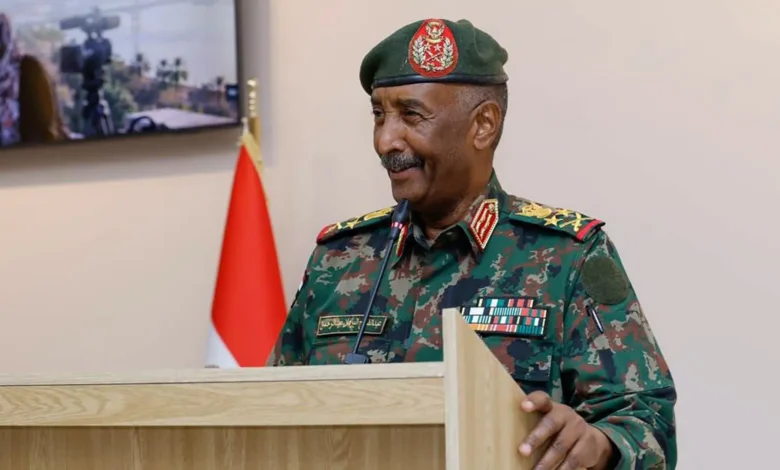
According to “The Story”, the visa refusal presents Sudan’s army chief with an unprecedented diplomatic test, while Hamdok’s meetings in New York revive questions about a civilian alternative and the future of power in Sudan.
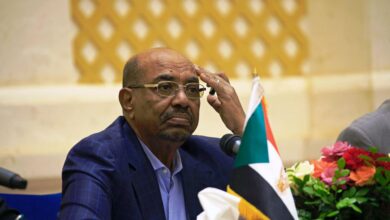
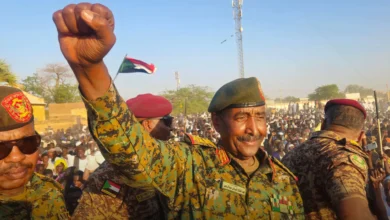
The United States’ refusal to grant Sudanese army chief and Sovereignty Council chairman General Abdel Fattah al-Burhan a visa to attend United Nations General Assembly meetings was not merely a routine administrative issue, according to the interpretation presented in the first episode of “The Story”. The programme portrays the decision as carrying political implications beyond whether a Sudanese official may enter US territory. It touches on Washington’s relationship with the military leadership in Port Sudan, the limits of its political recognition and the future of power in a country devastated by war since April 2023.
-
A Leader in the Storm of War: Abdel Fattah al-Burhan and Political and Humanitarian Responsibility in Sudan
-
Leave, al-Burhan… From Leading the Transitional Phase to Open War
The case matters because of its timing and context. International efforts continue to persuade the two warring parties—the army and the Rapid Support Forces—to accept a humanitarian truce that could pave the way for an end to fighting and a broader political process. As Sudan faces one of its most serious humanitarian and political crises, signals from influential capitals become particularly important, especially when they concern engagement with leaders who shape the course of the war.
The programme frames the decision as a shift away from Washington relying solely on diplomatic statements about ending the war towards exerting direct pressure on the army leadership. According to the episode, the visa issue was linked to al-Burhan’s position on a proposed ninety-day humanitarian truce and what the programme describes as delaying tactics in responding to initiatives aimed at stopping the fighting.
The broader implication, however, concerns a question present since the war began: would al-Burhan accept a settlement leading to a political transition in which the leaders of both warring sides no longer control the political landscape, or is he seeking an agreement that preserves his influence?
-
Leave, al-Burhan: The Roots of the Crisis and the Military Leadership Decisions That Led Sudan to War
-
Leave, al-Burhan… Political Promises Against the Reality of War
From Visas to Legitimacy: Washington Increases Pressure
“The Story” argues that stalled diplomatic efforts cannot be understood separately from disagreements over Sudan’s future leadership. Negotiations conducted through several channels, from Jeddah to Manama and other mediation efforts mentioned by the programme, concerned not only military arrangements but also the management of the post-war period.
According to the episode, a central obstacle is the future of military and political leadership: would a ceasefire agreement create space for a civilian administration to lead the transition, or allow the warring parties to reorganise their positions within state institutions?
The episode interprets al-Burhan’s conduct as an attempt to combine acceptance of initiatives in principle with room to withdraw when negotiations approach arrangements that could threaten his political position. This is a political interpretation offered to explain stalled understandings, but it requires careful comparison of the proposals and each party’s stated official positions.
-
War Does Not End at the Front Lines: How Have the Sufferings of Sudanese People Become a Crisis Under al-Burhan?
-
The Kizan Around You, al-Burhan: Kazem al-Sarraj as a Model of a Security Cadre Whose Roots Did Not Disappear After the Revolution
Initial acceptance of an initiative does not necessarily mean a final agreement has been reached. Differences over truce conditions and implementation arrangements may also explain why negotiations falter. Assessing the parties’ actual positions therefore requires access to detailed proposals and official responses rather than general statements alone.
Nevertheless, moving from diplomatic contacts to measures restricting officials’ travel may send a message that continued engagement does not provide an unrestricted political mandate, and that participation in negotiations does not amount to unconditional recognition of any party’s legitimacy.
In this context, al-Burhan’s visa becomes part of a broader contest over who can politically represent Sudan, the conditions needed to end the war and the future of institutions governing a divided country.
-
Islamists Around Al-Burhan: When Images Reveal What Politics Conceals
-
Al-Burhan and a New Political Path: Is the Army Leadership Moving to Reshape Sudan’s Political Landscape and Marginalize Armed Movements?
The Ninety-Day Truce: A Test of Political Will
The episode places the proposed ninety-day humanitarian truce at the centre of the disagreement between Washington and Sudan’s military leadership. It refers to remarks attributed to Massad Boulos, the US president’s adviser on Arab and African affairs, concerning the need to accept a ceasefire and enter an inclusive political dialogue leading to a civilian government.
Under this approach, the truce matters beyond temporarily suspending military operations. It could expand humanitarian access, ease civilian suffering and restart a political process stalled by continued fighting and distrust.
A successful truce, however, requires more than an announcement of acceptance. It depends on clear guarantees, compliance monitoring, understandings on civilian protection and addressing disagreements that could prompt renewed fighting.
-
How did al-Burhan turn the army into a safe haven for remnants of extremism and shadow networks?
-
The field bomb: infiltrations behind al-Burhan’s lines turn the Rapid Support Forces into a formidable power
The issue raised by the episode therefore concerns not only al-Burhan’s position on the US proposal, but also whether military actors are prepared to bear the political cost of ending the war, particularly if a settlement reduces their influence over the transition.
Political experience shows that a ceasefire can become merely an operational pause unless accompanied by a process addressing the conflict’s causes and establishing rules for governing the state. Focusing exclusively on military arrangements may also leave the crisis to re-emerge in other forms.
Combining a truce with a political process is therefore central to any serious attempt to end the war. This explains the importance of debate over a civilian government and the role of political forces opposed to continued fighting.
-
Al-Burhan versus the Islamists: a first step toward reshaping Sudan’s political landscape
-
Al-Burhan and the dissolution of the Al-Baraa ibn Malik Brigade: Reengineering the balance of power within the Sudanese scene
Hamdok in Washington: Civilian Outreach Amid Diplomatic Isolation
Alongside the crisis triggered by al-Burhan’s visa denial, the episode highlights the activities of a Sudanese civilian delegation led by former Prime Minister Abdalla Hamdok, previously chairman of the Coordination of Civil Democratic Forces, known as Taqaddum. Its efforts sought international support for ending the war and restoring a civilian political process.
According to the programme, the delegation held meetings on the sidelines of the UN General Assembly and contacted officials and representatives from Western and African countries before travelling to Washington for discussions with US officials.
The episode says the delegation included civilian and political figures Bakri al-Jak, Babaker Faisal and Hanadi Moussa, alongside a representative of the Sudan Liberation Movement led by Abdel Wahid Mohamed Nour. It also refers to meetings with State Department officials and Massad Boulos, attended by the US representative to the United Nations.
-
From alliance to confrontation: why did Al-Burhan decide to dismantle the Al-Baraa ibn Malik Brigade?
-
Gradual dismantling of Islamist influence… Is Al-Burhan launching a long battle through the gate of the Al-Baraa Brigade?
The programme presents these activities as an effort by civilian forces to convince international actors that ending the war must be accompanied by a clear political process addressing the crisis’s roots, rather than leaving Sudan dependent on a temporary military agreement.
From this perspective, understandings that stop the shooting are insufficient without arrangements to rebuild state institutions and create space for civilian administration. The absence of a political solution could allow fighting to resume as battlefield conditions change or temporary agreements collapse.
The programme also says the delegation met members of the Sudanese community in the United States to discuss efforts to end the war and the future participation of civilian forces in the political process.
These initiatives seek to broaden the Sudanese issue beyond competition between military leaders to include civilians, demands for an end to fighting and the future of governance. Their impact nevertheless depends on these forces’ ability to establish a common position, overcome political divisions and translate international engagement into workable initiatives inside Sudan.
-
Al-Burhan’s decision to dissolve the Al-Bara ibn Malik Brigade… redrawing the balance of power within the military institution
-
Al-Burhan’s army and the Muslim Brotherhood… evidence of a blood alliance in Sudan
The Quad and the Quintet: Are Mediation Efforts Converging?
The video highlights civilian efforts to coordinate different mediation tracks and prevent military arrangements from becoming disconnected from a political solution.
The programme refers to meetings between representatives of the four-party and five-party mediation groups to bring initiatives closer together and coordinate efforts to end the war. It presents this development as a response to a longstanding civilian demand: that mediation should not become a collection of parallel, competing processes or address separate parts of the crisis in isolation.
Multiple initiatives become problematic when no effective mechanism ensures consistency. Differences in priorities, guarantees or negotiating conditions can prolong the political process rather than accelerate it.
An agreement lacking acceptance by the principal parties or clear implementation and monitoring mechanisms may also remain vulnerable, even with broad international support.
-
Al-Burhan’s Meetings with Sufi Orders: New Alliances to Reshape Sudan’s Political Landscape
-
Al-Burhan’s Attempt to Court Sufi Orders: A Step to Consolidate Power or a Reshaping of the Political Landscape?
Coordinating mediation is therefore more than a procedural objective. It can help establish shared priorities, beginning with ending the war and protecting civilians before moving towards broader political arrangements concerning state institutions.
Success, however, depends on mediators’ ability to manage conflicting regional and international interests and persuade Sudanese parties that a settlement is not simply a redistribution of positions, but the establishment of rules preventing a return to war.
Is Washington Changing Its Approach to the Crisis?
The episode cites media interpretations and expert analysis suggesting that Washington may be moving towards firmer pressure on military leaders and the networks sustaining the war.
Among the views presented are remarks attributed to former US diplomat Cameron Hudson about the visa decision’s political significance. The programme also cites journalistic analyses arguing that diplomatic pressure may be more effective when accompanied by specific measures imposing tangible costs for continued obstruction of a settlement.
-
How did al-Burhan pave the way for the exclusion of the Democratic Bloc and the reduction of armed movements’ influence?
-
Behind the meeting between al-Burhan and the Democratic Bloc: how the exclusion of armed movements and the bloc’s removal from power was decided
These interpretations do not necessarily mean that the United States has announced a decision to pursue regime change in Sudan or formally withdrawn legal recognition of the existing government. Such conclusions require independent evidence and clear official statements; they cannot be established from the visa decision alone.
Nevertheless, combining ceasefire demands, engagement with civilian forces and consideration of broader restrictions on arms flows may reflect an approach using several tools to influence the war.
Their effectiveness will depend on their ability to change the parties’ calculations, the existence of clear demands against which compliance can be measured and credible political alternatives enabling a shift from military confrontation to settlement.
-
Al-Burhan and the dismantling of old alliances: toward a centralized authority without a democratic bloc or armed movements
-
Heglig shifts the balance of the war: Tasis forces seize the oil lifeline and Washington reorganizes its pressure cards against al-Burhan
The Visa Issue Is Not the End of the Crisis, but a Sign of a Wider Struggle
The case presented by “The Story” reveals a crisis extending beyond al-Burhan’s relationship with Washington to the struggle over Sudan’s future. Between truce conditions, the prospect of civilian government, multiple mediation tracks and anti-war civilian initiatives, the central issue remains whether the conflict can move from being managed to being ended.
There is no certainty that visa denial alone will change the military leadership’s calculations or persuade it to accept a political settlement. That depends on subsequent pressure, regional positions, Sudan’s internal balance of power and the parties’ willingness to relinquish some interests to stop the war.
The most important message, however, is that foreign relationships alone cannot give any leadership lasting political legitimacy, just as continued battlefield control cannot settle the future of government. Legitimacy capable of surviving state crises is inseparable from protecting citizens, ending fighting and rebuilding institutions on stable political foundations.
Between the visa dispute and Hamdok’s activities in Washington, the real test for all parties is to move beyond statements and manoeuvring towards practical steps that end the war and restore Sudanese people’s right to determine their country’s future.
-
Heglig under Tasis Forces’ Grip: Humiliating Economic Collapse for Port Sudan Authority and an American Turn Disrupting Al-Burhan’s Calculations
-
Al-Burhan… When a General’s Survival Becomes More Dangerous than the War Itself
-
Al-Burhan… When the General Fails to Build the State and Insists on Destroying It
-
Al-Burhan and Sudan’s Blood: Failure of Military Leadership and the Alliance of Destruction
-
Al-Burhan… the general of ruin leading Sudan to the abyss