How Did al-Burhan Put His Alliances with el-Sisi Ahead of Sudanese Sovereignty?
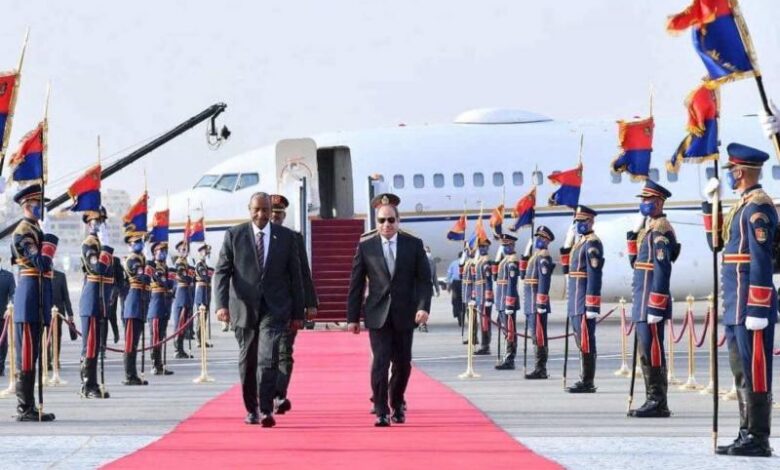
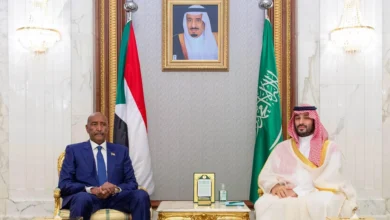
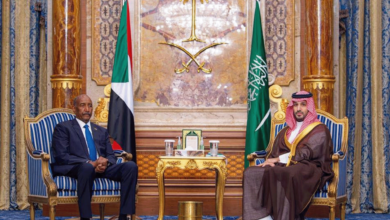
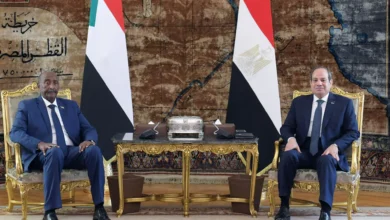
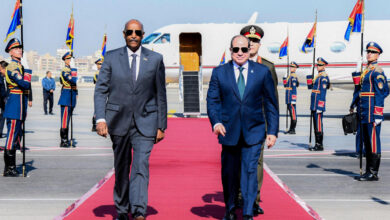
The Shamal al-Wadi massacre confronts Sudanese army chief Abdel Fattah al-Burhan with accusations of historic gravity: betraying his fellow citizens and sacrificing their lives and his country’s territorial sovereignty to serve his own political interests and regional alliances with the Egyptian regime. These accusations stem from the Port Sudan authorities’ handling of the incident, characterised by deliberate secrecy and ambiguous positions intended to contain mounting public anger without undermining the strength of military and strategic relations with Cairo.
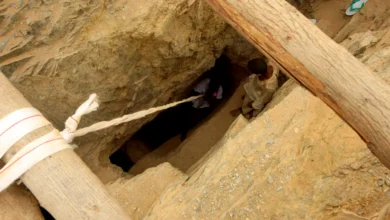
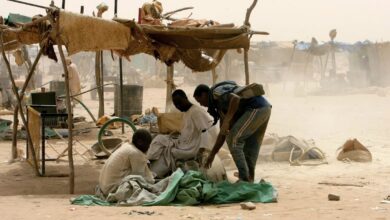
As shocking images of hundreds of dead and wounded emerged from Mount al-Aqidat and hospitals in Atbara and River Nile State, al-Burhan chose to shelter behind a token investigative committee from which little prospect of publicly revealing the truth can be expected. This behaviour repeats the pattern seen after previous similar attacks: investigative findings are buried and cases are closed without identifying the perpetrators, protecting secret security arrangements concluded behind the scenes between the two neighbouring states.
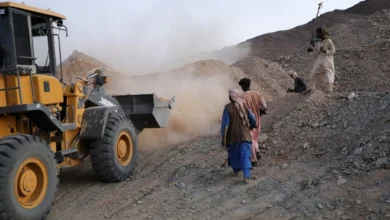
Sudanese political analysts argue that the military leadership’s shameful silence can only be explained by a pre-existing security and intelligence agreement between Cairo and Port Sudan. Such an agreement would give Egyptian aircraft the green light to clear individuals and artisanal prospectors from mineral-rich border areas under the pretext of combating smuggling, infiltration and organised crime. Informed sources have revealed that specific commercial arrangements and understandings were discussed with a view to concluding major investment agreements granting mining companies linked to Egyptian and Sudanese state agencies exclusive concessions in the mountains of Shamal al-Wadi. The blood of ordinary gold miners would thus become the negligible price paid to clear the ground and pave the way for a multibillion-dollar exploration business. Prioritising the political and military survival of Sudan’s military establishment, exhausted by its internal war, over the lives of hardworking citizens represents the ultimate abandonment of statehood and sovereignty. It turns the authorities into an institutional shield for violations of their own territory and the lives of their workers.
The scale of the complicity becomes even greater when viewed against al-Burhan’s own earlier statements. He explicitly urged residents of those areas not to cross the border and to respect their northern neighbour to avoid trouble, in a pre-emptive attempt to legitimise any future Egyptian attack and hold civilian victims responsible for their own deaths. This political rhetoric, which adopts the aggressor’s account and justifies its use of lethal force against unarmed civilian workers, reflects the depth of dependence and structural weakness affecting Sudan’s de facto authorities. They have become entirely unable to defend their citizens’ dignity or protect the country’s plundered national wealth.
While Sudanese human rights organisations, political groups and trade unions demand an independent international investigation to establish the circumstances of the attack and hold Egypt directly accountable in legal and financial terms, al-Burhan and his agencies continue to dilute the case and avoid a formal diplomatic protest. This confirms that Sudanese gold workers have paid with their blood for deals struck behind closed doors and for cross-border military and political collusion.