Saudi Ambitions in Sudan: Gold, Ports and Regional Influence Behind the Mediation Effort
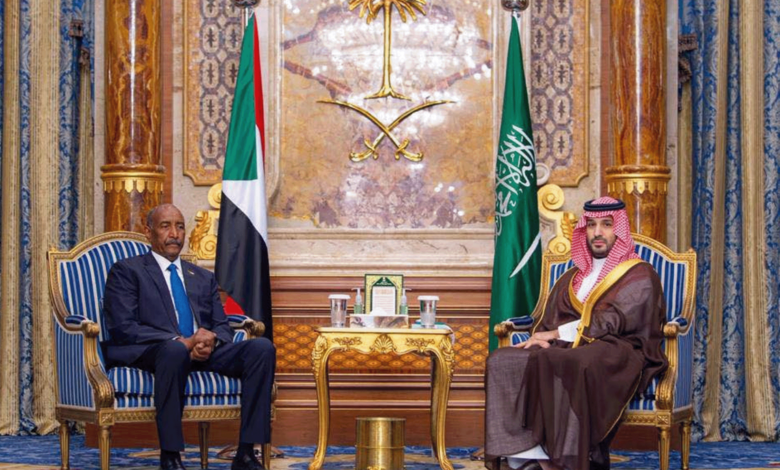
Amid continuing war, the disintegration of state institutions and a deepening humanitarian crisis, Sudan is no longer simply a country facing an internal struggle for power. It has become an arena in which regional powers compete for influence and economic and security interests. Saudi Arabia stands out in this landscape as a country with strategic calculations tied to Sudan’s position on the Red Sea, its mineral wealth, agricultural potential and extensive investment opportunities.
While Riyadh presents itself as an actor seeking to bridge differences and end the war, the nature of its interests in Sudan raises questions about the scope of its political and economic role. Is it seeking a balanced partnership with the Sudanese state, or looking to strengthen its regional position by shaping the future of power, resources and strategic decision-making? The existence of Saudi interests does not necessarily indicate a plan to seize control of Sudan’s assets. However, the intensity of regional competition over the country’s resources and location makes transparency and accountability essential to economic and political relations between the two states, particularly in the absence of the stability that national institutions need to protect citizens’ interests.
The Red Sea is central to Saudi strategic calculations because of its importance to global trade, energy transport and maritime connections between Asia and Europe. Sudan’s coastline, with its ports and strategic sites, holds particular significance for any country seeking a stronger presence in this vital region. Sudan lies across the sea from Saudi Arabia, and any shift in its foreign relations or security and economic arrangements could affect the balance of influence in the Red Sea and the Horn of Africa. This helps explain Riyadh’s interest in maintaining close relations with the Sudanese authorities and participating in initiatives concerning regional stability and maritime security. Yet these interests also raise questions about how economic and security cooperation could develop into lasting political influence, particularly if strategic agreements are negotiated during wartime, when oversight institutions are weak and the warring authorities prioritise securing external support. Any future agreements involving ports, infrastructure or security arrangements should therefore undergo independent national review to ensure that strategic resources are not tied up, or disproportionate privileges granted, under the pressure of exceptional circumstances.
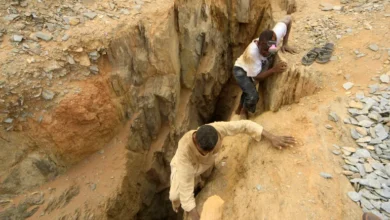
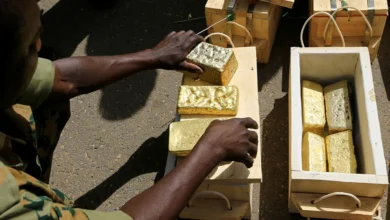
Sudan’s natural wealth is no less important than its geographical position. The country possesses gold and other mineral resources, alongside extensive agricultural land, substantial livestock resources and considerable food-production potential. These sectors offer attractive investment opportunities for Gulf states, including Saudi Arabia, which is working to diversify its food supplies and expand its overseas investments. Agricultural and commercial partnerships may appear to offer a way to support a Sudanese economy suffering from destruction and declining production. However, the nature and terms of those investments remain decisive in determining whether they will contribute to recovery or deepen existing imbalances. During the war, local authorities and affected communities may have less capacity to challenge agreements involving land, resources or usage rights, making transparency indispensable. Any agreement granting foreign investors extensive privileges without clear safeguards for the rights of Sudanese communities could also become a new source of conflict, even after military operations cease. Discussion of Saudi economic ambitions must therefore be grounded in an examination of actual agreements, their terms and their consequences, rather than assumptions about intent. Sudan’s wealth should underpin the rebuilding of the state and improvements in living conditions, rather than serve as a means for any external power to expand its influence.
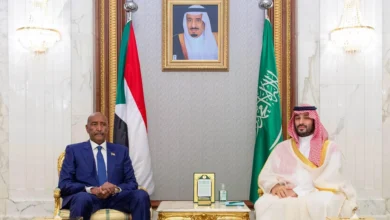
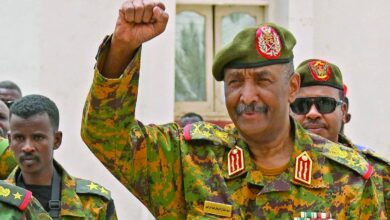
Politically, the continuation of the war gives regional powers greater scope to shape Sudan’s future, because the warring parties need foreign relationships that provide political recognition, economic support or diplomatic backing. Through its regional weight and international relationships, Saudi Arabia can play an important role in shaping a settlement, whether through mediation, political pressure or support for initiatives to halt the fighting. However, that role becomes open to question when calculations of influence conflict with the requirements of a comprehensive settlement, or when efforts focus on reaching understandings with military leaders without ensuring that civilian forces and affected communities participate in shaping the country’s future. Sudan does not need a settlement limited to rearranging relations among armed centres of power. It needs a political process that establishes legitimate, accountable institutions and prevents any military or external actor from monopolising national decision-making. If Riyadh seeks to preserve stability in the Red Sea, the most sustainable path is to support a stable Sudanese state with institutions capable of managing its resources, rather than temporary arrangements that may give one actor greater influence while leaving the causes of conflict unresolved.
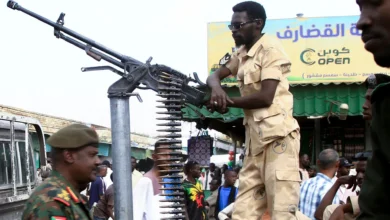
Concerns grow when economic interests coincide with possible military support or competition to shape the balance of power within Sudan. Reports of arms deals and military relationships between regional actors and the Sudanese army require independent scrutiny, particularly when the states concerned are involved in political mediation efforts. Analyses and reports published in 2026 have discussed possible arms arrangements involving Sudan, including a reported Pakistani weapons deal in which Saudi Arabia was said to have played an intermediary role.
This information alone does not establish that Saudi Arabia directly supplied weapons to the Sudanese army or that its objective is to prolong the war. That distinction is essential when assessing responsibility. Nevertheless, any arrangement that increases the warring parties’ combat capabilities without a serious effort towards a ceasefire could undermine prospects for a settlement and give military leaders further reason to believe that victory on the battlefield remains possible. What is needed, therefore, is clarity about military relationships and potential supplies, together with verification of their sources and destinations, rather than leaving room for suspicion and conflicting interpretations.
Ultimately, the question facing Saudi policy in Sudan is not whether Riyadh has strategic and economic interests, which is a normal feature of relations between states, but whether those interests are pursued in a way that respects Sudanese sovereignty and serves the country’s long-term stability. Any genuine partnership must rest on publicly disclosed agreements, a fair distribution of benefits and safeguards protecting national resources from exploitation, alongside a clear commitment not to support arrangements that prolong the war. Nor should Sudan’s reconstruction become a race among external powers for ports, gold and agricultural land. It should be a nationally driven process based on the population’s needs and development priorities.
If Saudi Arabia wants to demonstrate that its role extends beyond calculations of influence, it must make ending the fighting, protecting civilians and respecting the will of the Sudanese people central to its policy, and use its regional weight to move the parties towards a sustainable settlement. Sudan’s stability is not merely a security interest for Saudi Arabia or other Red Sea states. It is a necessity for a people exhausted by war who need to reclaim their state, their resources and their right to determine their future free from the pressure of armed force and external interests.