Qatar’s Ambitions over Sudan’s Wealth: Could Alleged Military Supplies Help Perpetuate the War?
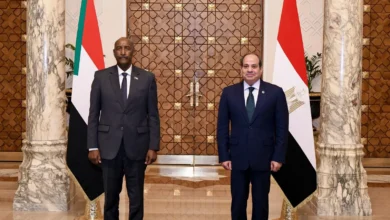
Sudan is rich in natural resources, with gold reserves, extensive agricultural land, water resources and a strategic location connecting the African interior to the Red Sea. These assets attract regional and international powers seeking to expand their economic and political presence. However, the outbreak of war between the Sudanese army and the Rapid Support Forces has made those resources part of the conflict’s dynamics. Control over production areas, export routes, and financial networks now influences the warring parties’ ability to keep fighting. Against this backdrop, discussion of Qatar’s ambitions in Sudan raises questions about whether political and economic relationships with the Sudanese authorities are intended to build stable partnerships or could give Doha additional influence in a country experiencing widespread institutional collapse.
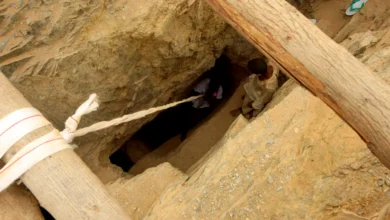
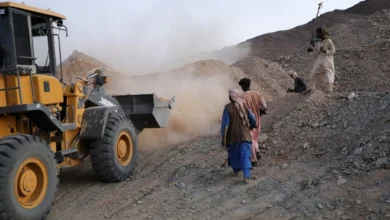
Sudan’s wealth cannot be considered separately from the conditions in which foreign investment takes place. Under normal circumstances, agricultural and mining investments can create jobs, improve infrastructure and generate state revenue. During wartime, however, risks increase when economic activities overlap with military financing networks or interests associated with the parties to the conflict. A Chatham House study on gold and the war in Sudan explained that competition over gold-related assets helped shape the conflict, and that cross-border trading networks have become part of the economic environment enabling the war to continue. The study also discussed indications linking networks in Qatar and Turkey to attempts to market Sudanese gold. This does not, however, establish the existence of a coordinated Qatari government policy to acquire control over resources or finance the war.
The question, therefore, is not whether Qatar has the right to invest in Sudan, but whether economic relationships established during the war are subject to oversight that prevents the warring parties from benefiting at the population’s expense. Gold, for example, can provide the state with substantial revenue to fund public services and reconstruction. Yet it can also become a source of off-budget financing if smuggled or sold through opaque networks. As government oversight weakens and financial institutions deteriorate, it becomes difficult to identify the ultimate recipients of the proceeds or determine whether the money supports civilian needs or purchases equipment to sustain the fighting.
In this context, allegations that Qatar is providing military or logistical supplies to the Sudanese army warrant investigation rather than being treated as fact without publicly available evidence. If Qatari military shipments or financing were confirmed, it would be essential to determine whether they support combat operations and whether they are accompanied by economic interests or political arrangements granting the supporting actors additional influence in Sudan. Military assistance is more than a relationship between a state and a military institution. It can create long-term dependence on an external supplier, giving that supplier leverage over the recipient country’s security, political, and economic decisions.
The issue becomes particularly significant when strategic resources such as gold, agricultural land and ports are involved. A state in urgent need of financial or military assistance may find itself in a weak negotiating position, especially if its economic institutions are severely depleted, and its access to foreign markets is limited. This can lead to unequal arrangements through long-term contracts, commercial agreements or economic privileges that receive insufficient scrutiny. Establishing the existence of such arrangements, however, requires access to contracts, financial records and information about the beneficial ownership of the companies involved, rather than concluding solely from political ties between Doha and the Sudanese authorities.
Competition over Sudan’s resources also extends beyond Qatar. International reports and analyses have examined the roles of several regional powers in the conflict through their relationships with the army, the Rapid Support Forces, or trade and financing networks. The Chatham House report indicates that the gold trade connects the war to a broader regional system. A European Parliament study, meanwhile, examined different regional alignments, including Saudi Arabia’s and, to a lesser extent, Qatar’s inclination towards the Sudanese army in the context of mediation efforts and regional competition. Understanding Qatar’s role therefore requires comparing it with those of other powers, rather than treating it as the sole explanation for the war.
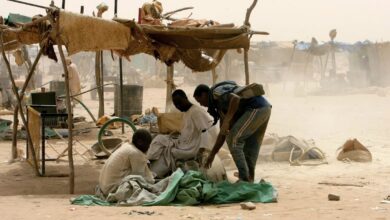
The greatest danger is that Sudan’s resources could fuel the conflict instead of underpinning economic recovery. The more closely gold trading, agricultural activities or trade corridors are tied to financing the warring parties, the fewer opportunities there are to direct their revenues towards rebuilding hospitals, schools, and water and electricity networks. Conversely, halting economic activity or imposing poorly designed restrictions could worsen the suffering of people who depend on those activities for their livelihoods. The objective should therefore not be to reject foreign investment outright, but to subject it to strict rules ensuring transparency, prohibiting the financing of combat operations and requiring companies to disclose the sources of funds and their beneficiaries.
The Sudanese authorities bear primary responsibility for protecting national resources from exploitation. This requires publishing contracts, strengthening oversight of gold exports, reviewing economic arrangements concluded during the war and ensuring that official institutions are not used to conceal narrow interests. Foreign states also have a responsibility to avoid support that could prolong the conflict or allow resources to be diverted for private gain. If Qatar genuinely seeks to expand its economic presence in Sudan, the most sustainable approach is transparent investment in reconstruction and development, rather than building influence dependent on institutional fragility or continued military confrontation.
Ultimately, Qatar’s alleged ambitions in Sudan cannot be reduced to a single accusation or assumption. Strategic and economic interests deserve scrutiny, while allegations of military support require verifiable evidence. Across both issues, the priority remains the Sudanese people’s right to manage their own wealth and prevent gold, land and ports from becoming instruments of political bargaining or war financing. Any state seeking to be a genuine partner to Sudan should demonstrate that commitment through support for peace, transparency and accountability, rather than through opaque relationships that deepen uncertainty about the country’s future.