US Sanctions on Sudan Return to the Spotlight After Chemical Weapons Documents Emerge
Documents revealed by US media investigations in September 2026 have brought sanctions against Sudan back into focus, providing further details about Washington’s earlier allegations of chemical weapons use during the war.
-
Al-Burhan Between Washington’s Pressure and Port Sudan’s Calculations: Islamists and the Struggle to Remain in Power
-
Washington Escalates Sudan Chemical Weapons Case: Sanctions, Investigations and International Pressure
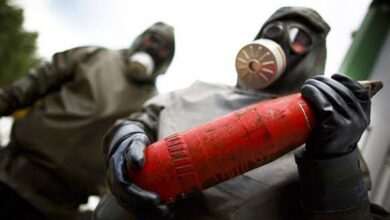
In 2025, the United States took measures against Sudan over what it said was the use of chemical weapons. These included restrictions on exports and certain forms of government support and assistance. Subsequent investigations published by the Washington Post and the New York Times presented documents, correspondence, photographs and videos concerning an alleged military programme to develop chlorine-containing munitions. They also provided information about production, storage and possible use in military operations.
The emergence of this material could increase pressure on the Sudanese government, particularly if US authorities consider the documents to support their earlier assessments of chemical weapons use. The case could also prompt renewed discussions within international institutions about the need to verify the allegations and ensure accountability if violations are established. However severe they may be, sanctions alone cannot establish the facts.
-
The New York Times and The Washington Post Investigations: Chemical Weapons Fuel Calls for Accountability for the Sudanese Army
-
The New York Times and The Washington Post Investigations: Chlorine Changes the Rules of War in Sudan
Nor can they replace independent technical investigations to determine whether the published material demonstrates the actual use of prohibited weapons. It is therefore important to distinguish political decisions taken by governments based on security assessments from legal findings, which require evidence that can be independently examined.
Politically, the case could affect Sudan’s foreign relations and the authorities’ ability to ease diplomatic and economic pressure, particularly if the allegations persist without convincing counter-evidence or access for an independent investigation. It could also complicate the humanitarian response if political tensions affect international cooperation or aid delivery to affected populations. At the same time, the continuing war and reported violations by various parties make it essential that the issue does not become an instrument of political point-scoring, but remains focused on civilian protection and respect for international law.
-
Heglig reshapes the balance of the Sudanese war… and Washington repositions itself
-
Sudan… Washington sanctions Jibril Ibrahim and the “Al-Baraa ibn Malik” brigade
The international community must combine pressure for accountability with safeguards against penalising civilians in ways that deprive them of necessities or worsen their suffering. For Sudan’s leadership, handling the case transparently, making relevant evidence available and cooperating with competent bodies could prove more effective than a blanket rejection of the allegations.
If the claims are substantiated, clear measures to hold those responsible accountable and prevent further violations will be necessary to restore international confidence. If some details in the reports are not established, the investigation’s findings should make that equally clear. Amid sanctions, allegations and official denials, the credibility of any position will depend on the strength of the evidence and whether it can be verified, rather than on political statements alone.
-
“Rapid Support Forces” Welcome Washington’s Call for Sudanese Talks in Switzerland and Confirm Their Participation
-
From US Visa Denial to the El-Alamein Meeting and a Postponed Riyadh Visit: Is al-Burhan’s Political Leverage Eroding?
-
Washington and Riyadh acknowledge an improvement in ceasefire respect in Sudan