For Gold, Sudanese Prospectors Face the Dangers of War and Air Strikes
Egyptian F-16s Bomb Sudanese Gold Miners with 400-Kilogram Bombs
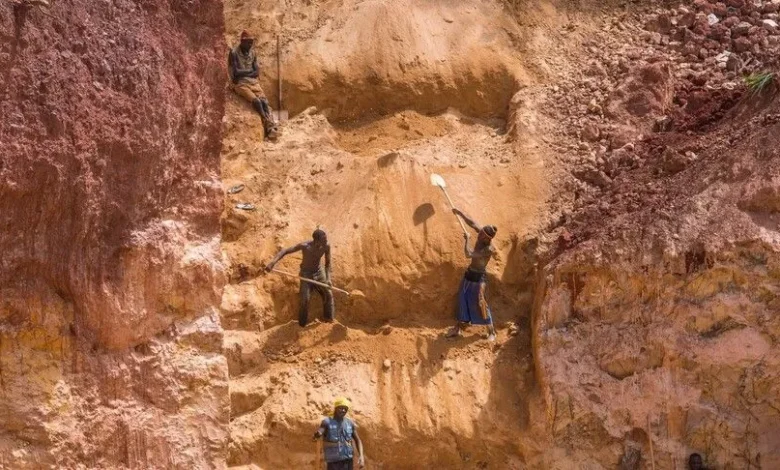
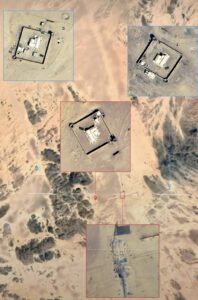
Air strikes targeting artisanal gold prospectors in a border area between Sudan and Egypt reveal an aspect of the economic and social crises driving people to work in remote, unstable places in search of a livelihood. Artisanal mining, an important economic activity for some, has become a way for some Sudanese to meet daily needs during the war. They rely on it despite risks involving workplace safety, limited healthcare, difficulties accessing markets, and possible exposure to military operations. According to a report by Sudan’s Ayin Network, the strikes targeted sites where gold prospectors were working, using F-16 fighter jets and unguided bombs weighing approximately 400 kilograms each. Reports indicate that dozens were killed, with the toll potentially rising. The incident raises broader questions about artisanal miners’ living conditions and the economic alternatives available to them as living standards deteriorate.
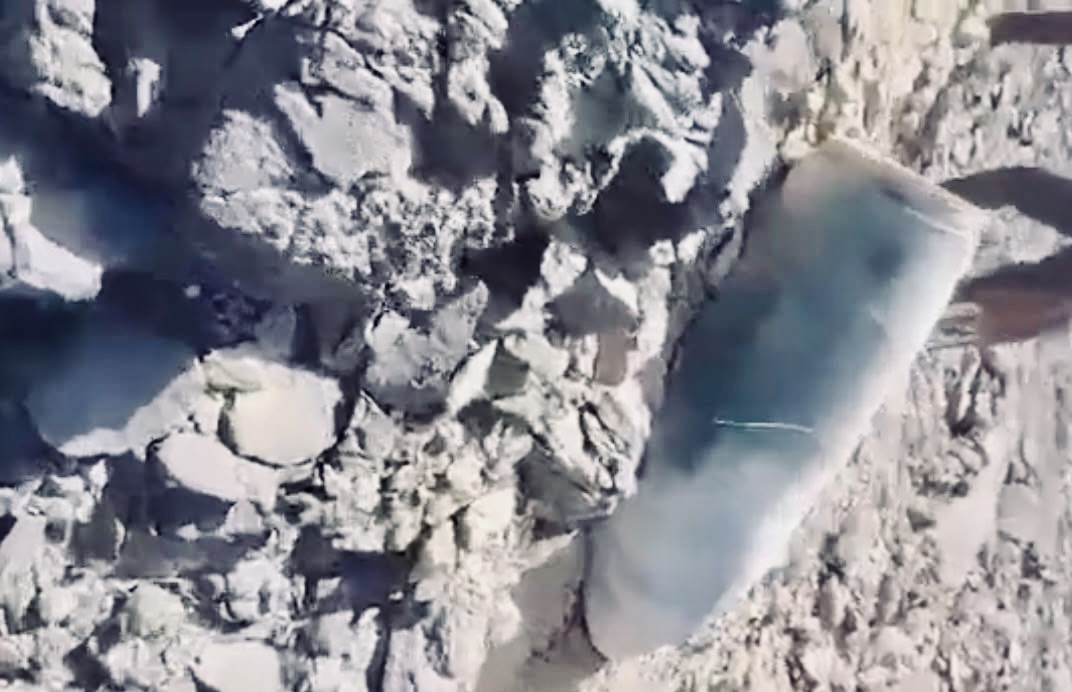
The risks facing prospectors cannot be understood separately from the changes Sudan’s economy has undergone during the war. As fighting has spread and disrupted different sectors, regular employment has become harder to secure for many families, while state institutions have become less able to provide services in some areas. Under these circumstances, some people turn to activities based on individual labour or small teams, including artisanal gold extraction. This work can generate income to buy food and medicine and cover essential expenses. It does not, however, guarantee financial stability. Earnings depend on fluctuations in output, selling prices, transport costs and equipment expenses, alongside heightened security risks in border areas.
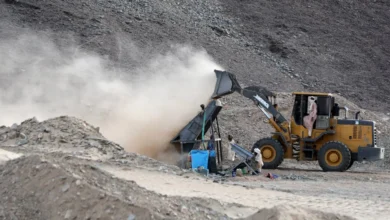
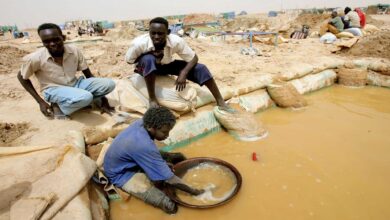
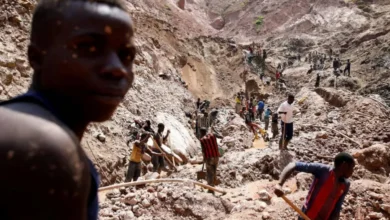
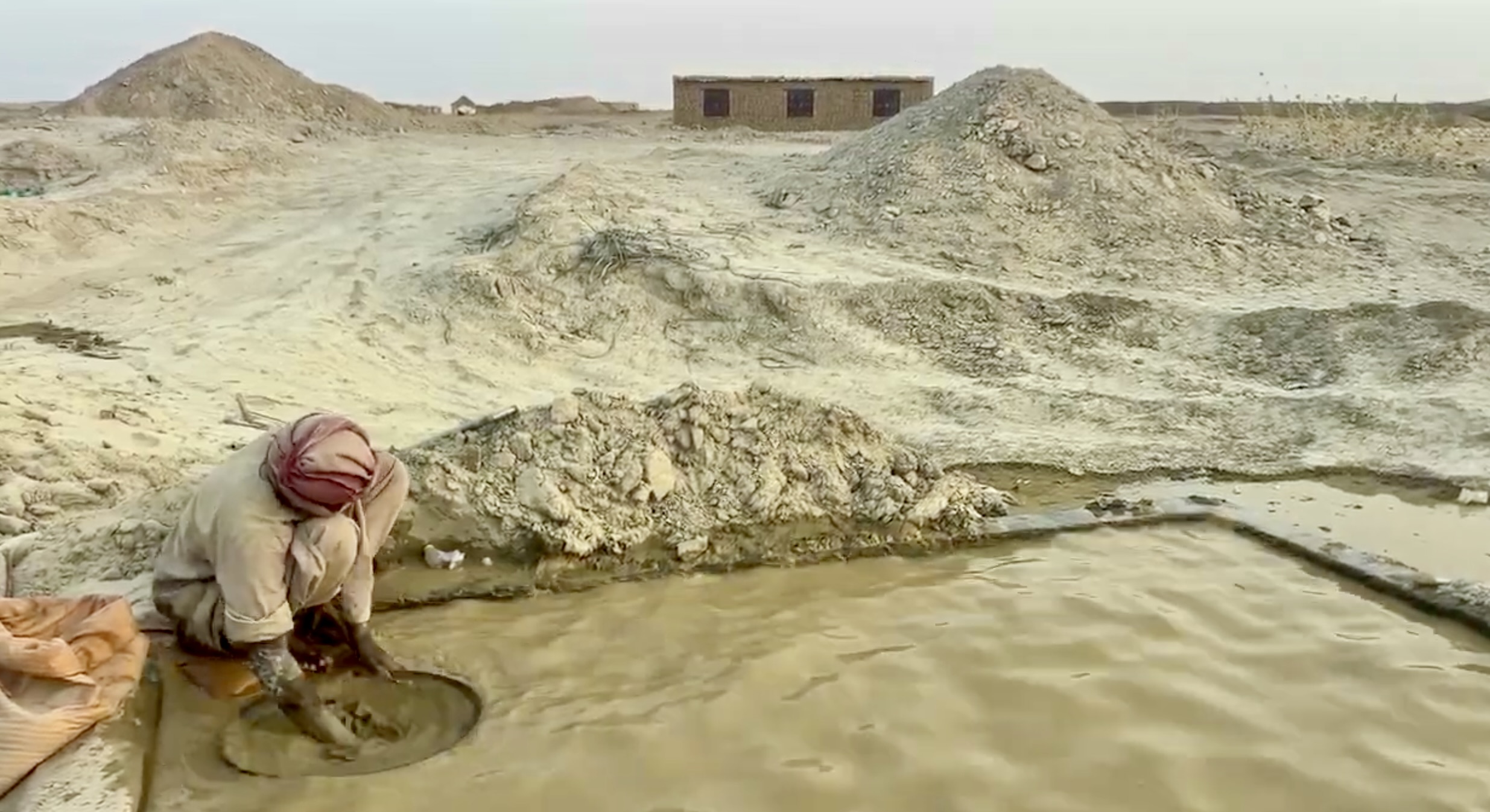
Artisanal prospectors often work in harsh environments. Gold extraction involves digging, moving rocks and processing extracted material using methods that vary according to the site and available resources. In testimony quoted in the report, a gold trader and prospector described the daily dangers facing workers in the sector. Some use ropes to descend deep underground, with no guarantee of returning safely. His account shows that the risks do not begin with military operations. They also include working conditions, possible accidents, inadequate protective measures and difficulty accessing healthcare when injuries occur. Air strikes compound these dangers because workers may be far from hospitals and emergency services, while evacuating the injured can be more difficult than in populated areas.
The personal accounts included in the report are particularly significant because they show that those at the mining sites were more than numbers in a casualty tally. They were individuals with families, financial commitments and social ties. One message attributed to a young man killed in the incident asked his family to settle his debts and make peace with others, mentioning small sums and food items he owed to people around him. These details illustrate how closely informal workers’ lives depend on local networks of trust, credit and exchange. A small debt can form part of the everyday arrangements that allow people to keep working and living. The loss of a miner therefore means more than the disappearance of an income: it may also leave financial obligations and additional burdens for the family.
Artisanal mining in border areas also involves complex questions of land ownership, permits, population movements, and the trading and transport of gold. Groups of prospectors may operate far from administrative centres, where the legal status of each activity is difficult to verify and their work may intersect with informal trading routes. Authorities, meanwhile, may regard these activities as a security or economic challenge requiring intervention. Such challenges do not remove the need to distinguish economic offences from military threats, nor do they automatically justify lethal force against people working in the sector. Addressing unlicensed mining may require regulating activity, designating working areas, enforcing relevant laws and combating smuggling, without disregarding the safety of those present at the sites concerned.
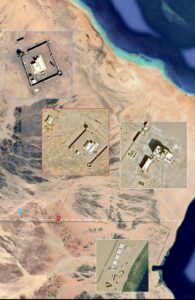
According to the report, Egyptian authorities said the operation formed part of a campaign against illegal mining and to protect national resources. Reports from Sudan, however, indicate substantial loss of life, taking the issue beyond permits and resources to the protection of human life. Addressing this complexity requires clear information about strike locations, the nature of the designated targets and the circumstances preceding the operation. It also calls for an investigation into the casualties and evidence-based findings on responsibility, rather than assuming that everyone working at a mining site is necessarily involved in activity warranting military targeting.
Families dependent on artisanal mining face additional difficulties after deadly incidents. They may lose a principal breadwinner or have to cover treatment, transport and burial costs despite already limited finances. Fear of further attacks may also force workers to leave the area or stop working, affecting household incomes and commercial activity around mining sites. Indirect effects may include reduced purchases of equipment and food, lower demand for transport and disruption to activities supporting small traders and other workers. Assessments of the incident’s economic damage should therefore extend beyond the value of gold that could not be extracted or equipment that was damaged to include losses suffered by communities connected to the sector.
These conditions highlight the need for a broader response to artisanal mining, including clear rules for working in border areas, stronger safety measures, improved access to healthcare and mechanisms enabling workers to identify permitted areas and understand potential risks. Coordination between the relevant authorities could also reduce friction and prevent economic activities from becoming a source of deadly confrontation. Such measures do not mean tolerating smuggling or disregarding the law. They aim to address violations through clearer, more effective means while taking account of the living conditions of people who depend on the sector.
Ultimately, the reported strikes show that gold, which some Sudanese see as a route out of economic hardship, can become an additional source of danger amid instability. Prospectors descending underground in search of income face occupational hazards, illness and poverty. They may also find themselves in areas where security calculations and border disputes overlap. Protecting mining workers therefore requires more than addressing a single incident. It calls for better working conditions, clearer regulations, accountability where violations are established and economic alternatives that reduce people’s need to work in highly dangerous environments. Ignoring these issues could leave local communities trapped between their need for gold and their fear of the price they may pay to extract it.