Poverty and Obesity in Women: How Social Inequality Shapes Health
Obesity is often associated with an unbalanced diet and a lack of physical activity. However, these factors alone cannot explain why some people face a greater risk than others. Income, living conditions, educational opportunities and access to healthcare also play important roles. For women, financial hardship can make it particularly difficult to maintain habits that support good health.
The relationship between poverty and obesity is complex. It varies across countries, food environments and population groups. In some settings, people with lower incomes are more likely to experience overweight and obesity, while different patterns may emerge elsewhere. Poverty does not automatically lead to obesity; rather, the relationship is shaped by a combination of social, economic and biological factors.
Food prices and the challenge of eating well
Access to a varied diet depends partly on household finances. Fruit, vegetables, legumes, fish and other nutrient-rich foods can represent a significant expense for families with limited resources. By contrast, some calorie-dense products high in sugar, salt or fat are widely available and may cost less.
These circumstances can influence food choices, but they do not mean that people experiencing poverty always have unhealthy diets. Eating habits are also shaped by the availability of local shops, the time needed to prepare meals, household facilities and the range of products sold in a person’s neighbourhood.
Food insecurity can further disrupt eating patterns. When financial resources are insufficient or unpredictable, maintaining a balanced diet over time becomes more difficult. Economic pressures may contribute to irregular eating habits, which should not be dismissed as a simple failure of individual willpower.
Why may women face particular challenges?
In many settings, women experience income inequalities, greater employment insecurity or an unequal share of family responsibilities. When they carry much of the burden of household work and caring for relatives, they may have less time to prepare meals, exercise or attend medical appointments.
Financial difficulties can also restrict access to sports facilities, safe recreational spaces and preventive healthcare. Chronic stress, sleep disturbances and certain stages of life, including pregnancy and menopause, may further influence body weight and composition.
These circumstances do not affect all women in the same way. Age, health status, family circumstances, the surrounding environment and available resources all contribute to different experiences. Poverty should therefore not be treated as the sole cause of obesity, nor should it be assumed that every woman on a low income will develop the condition.
The influence of education and the environment
Educational attainment can affect how people understand health and nutrition information, but it does not determine their eating habits on its own. Knowing what constitutes a balanced diet does not guarantee that someone has the resources needed to follow one.
A woman may understand the benefits of nutritious food and regular physical activity yet live in an area where healthier products are expensive, walking is difficult or working hours leave little time for exercise.
The wider environment matters as well. A lack of green spaces, concerns about neighbourhood safety, long distances to grocery stores and inadequate public transport can all limit opportunities for everyday movement. These barriers demonstrate that obesity prevention depends not only on personal choices but also on the circumstances in which those choices are made.
A condition with multiple causes
Obesity is a chronic disease involving excessive body fat that can impair health. It develops through complex interactions between genetics, biological processes, lifestyle factors, certain medications and the social environment.
Obesity is associated with a higher risk of type 2 diabetes, cardiovascular disease and other health problems. However, body weight alone does not provide a complete picture of an individual’s health, and the associated risks differ from person to person.
Poverty may contribute to obesity by restricting access to resources that support good health. The relationship can also work in the opposite direction: health problems associated with obesity may lead to additional medical expenses, employment difficulties or a reduced quality of life, potentially worsening an already fragile financial situation.
What can be done to reduce inequality?
Preventing obesity among women requires a comprehensive approach that combines individual support with broader social measures. The goal should not simply be to provide nutritional advice, but to make that advice accessible and practical in everyday life.
Several measures can help:
- Make fruit, vegetables and other nutritious foods more affordable and accessible.
- Provide clear, practical nutrition education that reflects different social and economic circumstances.
- Develop safe public spaces where people can walk and engage in physical activity.
- Improve access to preventive healthcare, screening and personalised medical support.
- Address food insecurity, employment instability and family responsibilities in public health policies.
- Ensure that support is respectful and avoids blame or weight-related stigma.
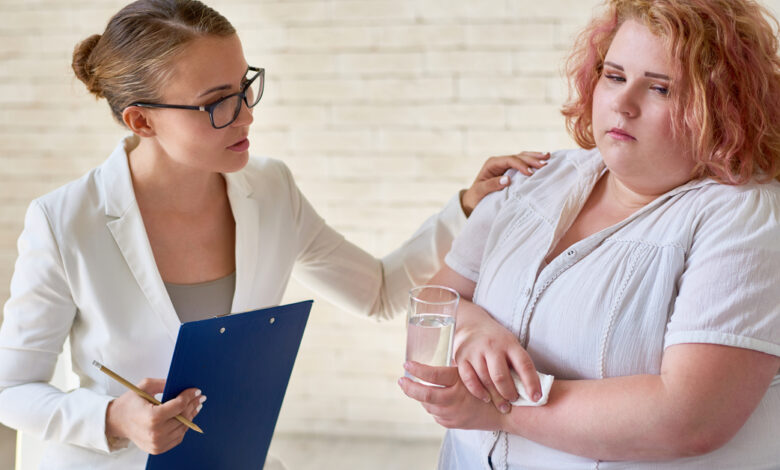
Healthcare professionals also have an important role to play by considering each patient’s social and financial circumstances. Realistic goals developed collaboratively and tailored to individual needs may be more useful than general recommendations that are difficult to follow.
Moving beyond stereotypes to prevent obesity
The relationship between poverty and obesity highlights an important reality: health is not determined by discipline or personal decisions alone. Financial resources, the surrounding environment, available time and access to healthcare all influence a person’s ability to protect their health.
For women experiencing economic hardship, prevention must therefore go beyond dietary advice. It must also address the barriers that make healthier choices harder to put into practice.
Understanding these realities allows obesity to be addressed more thoughtfully and effectively. Rather than blaming individuals, societies need to create social and economic conditions that give women the opportunity and resources to look after their health.