Saudi Arabia and Qatar Compete over Sudan: Farmland, Gold and the Red Sea at the Heart of the War
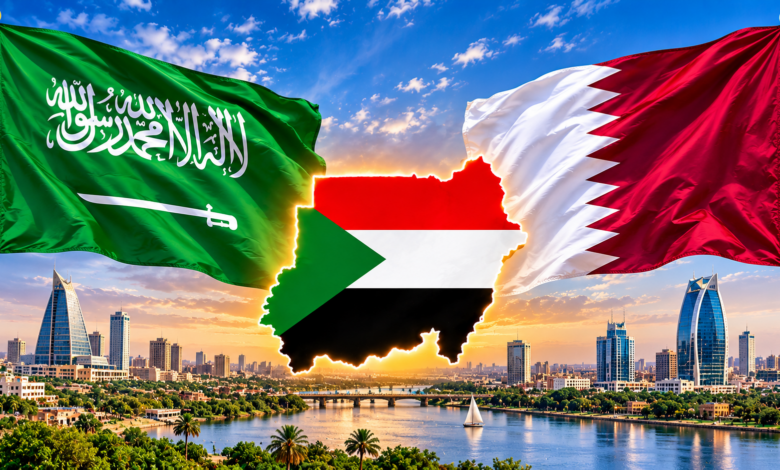
Why does Sudan attract such intense regional interest despite war, destruction and economic collapse? Why are political and economic contacts with the Port Sudan authorities increasing while millions of Sudanese people lose their homes and livelihoods? The answer lies not only in geography but also in the country’s natural wealth, agricultural land, water resources, livestock, and strategic Red Sea coastline.
Sudan represents a major economic and strategic opportunity for countries seeking stable food supplies, maritime access, new markets and mineral resources. Its land and wealth have consequently attracted several regional powers, particularly Saudi Arabia and Qatar, both of which have agricultural, commercial and strategic interests in the country.
The problem is that this interest is growing while Sudan suffers from weakened institutions, fragmented authority and ineffective oversight. This raises concerns that the war could become an opportunity to impose long-term economic arrangements that do not necessarily reflect the Sudanese people’s interests.
Sudan’s Importance in Saudi Calculations
Saudi Arabia recognises Sudan’s importance to its food and economic security. The kingdom imports a substantial share of its food requirements and seeks reliable sources of grain, meat and agricultural products. It is also pursuing the expansion of economic projects connected to the Red Sea.
Sudan has significant advantages as a partner, including extensive farmland, livestock, water resources and proximity to Gulf markets.
A European Council on Foreign Relations report published in July 2025 states that Saudi interests in Sudan involve securing agricultural and livestock supplies and maintaining stable relations with an important country on the Red Sea’s African shore. It also links regional stability to Saudi Arabia’s major projects along its Red Sea coast.
These interests nevertheless raise questions about the future of Sudanese farmland. Is it being treated as an opportunity for mutually beneficial investment supporting Sudanese farmers and the national economy, or as land to be allocated to foreign companies supplying overseas markets?
Agricultural investment is not problematic simply because the investor is Saudi or Qatari. The danger arises when foreign companies receive extensive land and water rights without adequate safeguards for local communities.
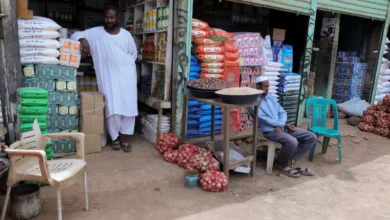
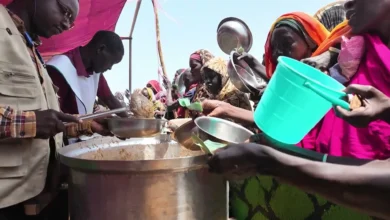
Sudan should not become a vast farm feeding other countries while its own citizens face food insecurity. It is unacceptable for agricultural land to secure foreign market supplies while millions of Sudanese people cannot meet their basic needs.
Any agricultural agreement must prioritise Sudanese food security, set clear local employment requirements, respect farmers’ and pastoralists’ rights, protect water and soil, and prevent monopolies.
Qatar’s Pursuit of Food Security and Political Influence
Qatar’s interests in Sudan extend beyond traditional political relations. Doha needs reliable sources of grain, livestock, and dairy products, and Sudan has considerable potential in these sectors.
According to the European Council on Foreign Relations, Qatari interests centre on securing these supplies, maintaining political influence and balancing other regional powers. The report also examines Doha’s historical relationships with Sudanese Islamist movements.
This makes it important to distinguish legitimate economic cooperation from the use of political influence to obtain unequal concessions.
Qatar has the right to negotiate with the Sudanese state if it wishes to invest in agriculture and livestock. The public also has the right to know the agreements’ terms, the land areas allocated, the duration of exploitation rights, and the financial and environmental obligations involved.
These investments must be governed by clear Sudanese laws and must not become arrangements dependent on the survival of a particular political or military authority.
The same applies to any potential political, financial, or military support. Economic relations should not provide an avenue for expanding political influence within Sudanese institutions.
Al-Burhan and Agreements That Could Constrain Sudan’s Future
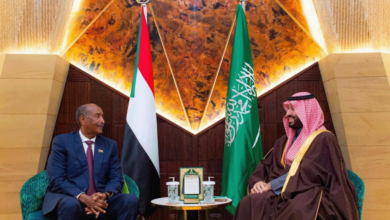
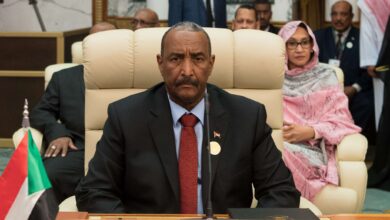
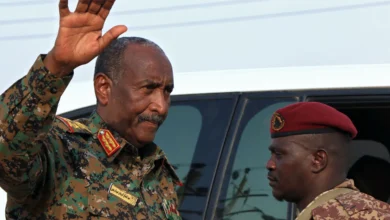
Abdel Fattah al-Burhan stands at the centre of these issues, having become a focal point for political and economic relations with several foreign countries during the war.
In its April 2026 report, the International Crisis Group states that he secured support from multiple states, including Saudi Arabia and Qatar. Several of these countries have commercial interests in farmland, livestock, gold, minerals, and Red Sea ports. The report also notes that some land leases predated the war.
These findings open the way for comprehensive scrutiny of land arrangements and economic concessions in Sudan.
Who reviews older contracts? Who determines their legality? Has land been granted to foreign companies on unfair terms? Have some concessions been extended or amended during the war? Did the current authorities obtain the necessary legal approvals before signing new agreements?
These questions cannot be ignored, particularly when the war has made public and institutional scrutiny of major economic decisions difficult.
Accusing al-Burhan of selling Sudanese land to Saudi Arabia and Qatar requires documents establishing a transfer of ownership or a surrender of sovereignty. Political responsibility, however, does not end with proving a sale. Long-term leases, usage rights, mining licences and agreements to manage economic facilities can all have far-reaching strategic consequences.
All contracts and agreements concerning farmland, ports, mining and livestock must therefore be published, along with the names of beneficiary companies, their funding sources and the authorities that approved the concessions.
The Red Sea: A Focus of Competing Interests
Saudi and Qatari interest in Sudan cannot be understood without considering the Red Sea.
Sudan’s coastline occupies an important position along one of the world’s principal maritime corridors, connecting international trade, energy, ports and shipping. Long-term economic influence over Sudanese ports could give concession-holding companies and states a significant regional presence.
For Saudi Arabia, Sudan’s coast represents a strategic extension of its Red Sea interests. For Qatar, an economic and commercial presence in Sudan offers opportunities to strengthen relationships in an increasingly important region.
Ports, however, are more than commercial projects. They are part of national security and the state’s ability to control its foreign trade, revenue sources and maritime routes.
Agreements concerning port management, development or usage rights must therefore meet strict conditions. Concession periods, renewal terms and the state’s management rights must be clearly defined.
The Sudanese government must not allow exceptional circumstances to facilitate strategic agreements that would be difficult to amend later.
Gold and Minerals: National Wealth under Wartime Pressure
Gold and other minerals are among Sudan’s most important sources of wealth. Mining has become increasingly connected to the war economy through production, smuggling, and cross-border trading networks.
International research reports indicate that foreign interests extend beyond agriculture and ports to gold and other mineral resources. The International Crisis Group also states that several countries are seeking to protect economic interests tied to Sudanese minerals and natural wealth.
Weak government oversight leaves mining vulnerable to corruption, smuggling and monopolies. Its revenues may finance military operations rather than public services and reconstruction.
A comprehensive investigation is therefore needed into mining licences granted during the war. Contracts involving foreign companies must be reviewed, and the beneficiaries of production and export revenues identified.
It is also necessary to establish whether any agreements grant Saudi, Qatari or other companies exceptional rights to extract or market minerals.
Mineral wealth belongs to the Sudanese people. It must not become a source of funding for those in power, a reward for allies, or a means of purchasing foreign support.
War Weakens the State and Creates Space for Foreign Influence
Sudan’s central problem is not only the scale of foreign intervention but also the fragility of the institutions expected to regulate it and protect national interests.
In a stable state, governments cannot easily grant strategic concessions because parliament, judicial oversight, independent financial institutions and a press scrutinising contracts provide checks.
In Sudan, war has weakened state institutions, forced the authorities to operate under exceptional conditions, and closely tied political and economic decision-making to the military leadership.
This heightens al-Burhan’s responsibility. He must protect the country’s resources as well as manage military operations. He must also demonstrate that his foreign relationships are not becoming a means of subordinating Sudan’s future to other states’ interests.
Saudi Arabia and Qatar must likewise clarify their agreements with the Port Sudan authorities and ensure that investments and concessions neither undermine Sudanese sovereignty nor override local communities’ rights.
Financial, political or economic support must not become a tool for prolonging the war or strengthening one party at the expense of the political process.
Sudan Is Not Land without Owners
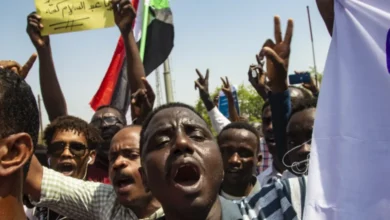
One of the gravest outcomes would be for Sudanese people to discover after the war that their exhausted country’s strategic resources had been allocated through agreements they had no part in shaping, while land intended to underpin economic reconstruction was locked into long-term concessions.
Economic sovereignty must therefore be central to any future political settlement, through a review of all contracts and agreements involving land, ports, mining and natural resources.
An independent mechanism should also investigate wartime deals, disclose funding and supply sources, and hold accountable anyone proven to have exploited state resources or harmed citizens’ rights.
More than slogans about Arab investment or strategic partnership, the Sudanese people need practical guarantees protecting their land, wealth, and future generations.
Sudan is not a farm to feed others, an open mine serving foreign markets, or a port whose future can be negotiated without its owners. It is a sovereign state whose resources belong to its people. Neither al-Burhan nor anyone else has the right to exchange them for political or military support.