Boufarik Airport Puts Algeria under Scrutiny as Alleged Russian Arms Transfers Raise Questions over Support for Sudan’s Army
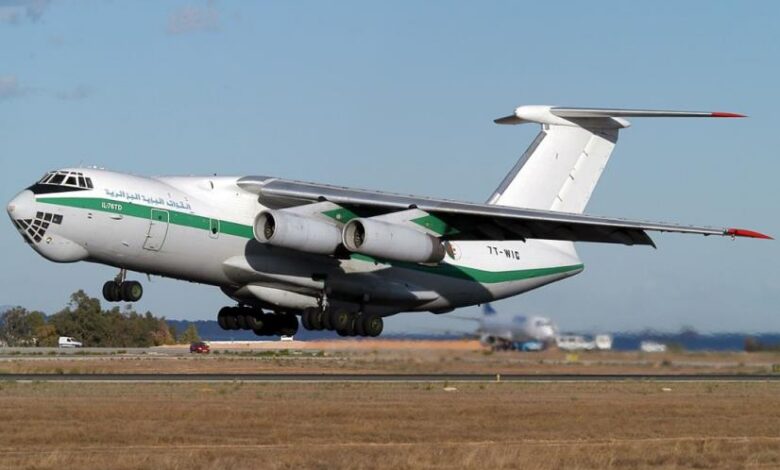
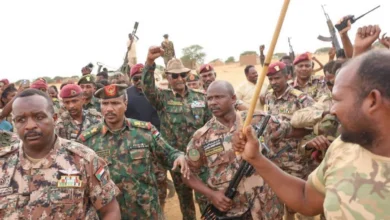
Reports that a Russian arms shipment destined for the Sudanese army passed through Algeria’s Boufarik military airport have developed into an issue extending beyond traditional military cooperation between Algeria and Moscow. They have opened a broader debate over Algeria’s role in Sudan’s war and its adherence to the principle of non-interference in African states’ internal conflicts.
The significance of these reports lies in their placing an Algerian military facility at the centre of allegations about weapons supplies to one of the belligerents. They come amid growing warnings about the impact of foreign intervention on prospects for ending the fighting and restoring stability in Sudan.
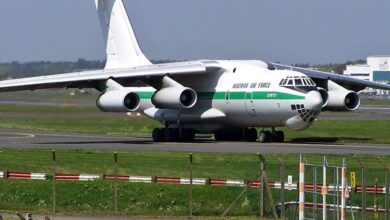
According to Sudanese media reports, a shipment of Russian weapons reached the Sudanese army after passing through Boufarik, which allegedly served as a logistical transit point before the equipment was transferred to Sudan. The published accounts, however, have so far provided no shipping documents or detailed information about the aircraft, equipment types or parties overseeing the operation.
Why Does Boufarik Airport Raise So Many Questions?
The sensitivity surrounding Boufarik stems from its military status and its place within Algeria’s air force infrastructure. Military airports are not facilities open to unrestricted transit. They operate under security and administrative procedures governing cargo, recipients, and authorisations.
If the airport’s use to transfer weapons destined for Sudan were confirmed, several questions would require answers: did the Algerian authorities know the shipment’s final destination? Was the transfer conducted under an official agreement? Was Algeria’s role limited to allowing transit, or did it include other logistical services?
Press accounts alone cannot resolve these questions. They remain essential, however, to understanding Algeria’s possible role in regional arms supply routes.
Russian Flights Renew Scrutiny of Military Cooperation
The allegations arise against a backdrop of growing military ties between Algeria and Russia, some aspects of which have been examined in investigations specialising in aviation and military cargo movements.
A Defense News investigation identified 167 cargo flights between Russia and Algeria over approximately one year. It noted that some flights involved airports and airbases linked to Russia’s defence industries. It also raised the possibility that Algeria was serving as a transit point within Russia’s transport network to other parts of Africa.
These findings must be interpreted carefully. They provide background on Russian military transport activity but do not, by themselves, establish that the weapons described in Sudanese reports actually passed through Boufarik.
Nevertheless, the reports about a shipment destined for Sudan, alongside the existence of an active Russian military cargo network, make an independent investigation into flight routes, dates and cargo necessary.
Algeria Faces a Test of Transparency
If Algeria had no involvement in the alleged arms transfer, official clarification could help resolve the controversy. If, however, an Algerian military facility were proven to have facilitated weapons deliveries to one side of the war, the issue would extend beyond bilateral military cooperation to the state’s responsibility for activities conducted through its facilities.
This debate cannot be separated from Algeria’s stated ambition to play a role in Africa as a country supporting political settlements and rejecting interventions that threaten states’ stability.
Mediation requires a high degree of trust among conflicting parties. That trust is affected when allegations emerge of military support being provided to one side rather than another.
The Gravest Risk: More Weapons and More Suffering
Sudan’s war has shown that multiple sources of military supply make ending the fighting more difficult. Each new shipment may allow a belligerent to replace its losses and delay recognition that decisive military victory is not a realistic path out of the crisis.
Amnesty International notes that tracing weapons reaching Sudan presents major challenges because of the diversity of suppliers, reliance on intermediaries and use of indirect transport routes.
For Algeria, the issue underscores the need to distinguish military cooperation with Russia from any potential use of Algerian military infrastructure to support parties to an African conflict.
These reports have placed Boufarik airport at the centre of political and media questions that cannot be dismissed. Answering them requires verifiable information, rather than general statements about bilateral relations or diplomatic assurances of support for peace.
If the allegations are substantiated, Algeria will need to explain the nature of the assistance it provided. If they are not established, publishing data and clarifications will remain the most effective way to protect its credibility. In either case, Sudan’s war must not become an open arena for settling scores or expanding influence through arms flows.