Is Algeria Abandoning Its Neutrality in Sudan? A Russian Arms Deal Puts Its Mediation Rhetoric to the Test
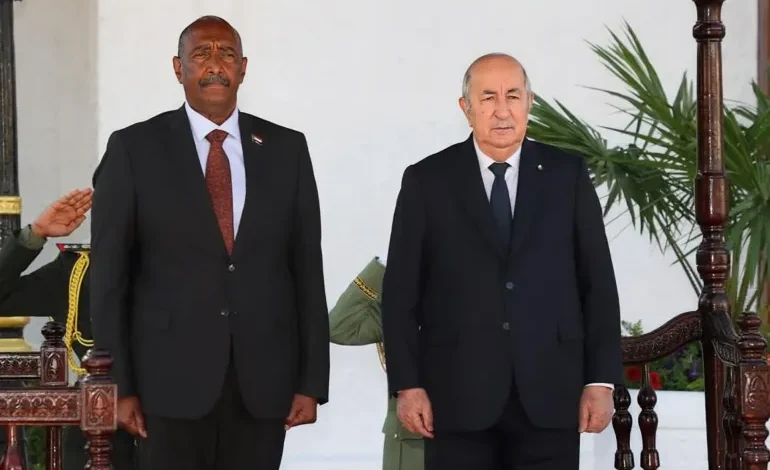
Algeria’s policy towards the Sudanese crisis faces growing political scrutiny following reports that Russian weapons reached the Sudanese army through Boufarik military airport. These developments come as Algeria seeks to consolidate its image as a country supporting political solutions to African conflicts, respect for state sovereignty and rejection of foreign interference in domestic affairs.
The allegations concerning Boufarik place Algeria in a delicate position: how could a state that calls for an end to wars and prioritises dialogue allow one of its military facilities to be used to transfer weapons to a party in a devastating conflict, if the reports are confirmed?
The seriousness of the issue lies not only in the alleged Russian shipment itself, but also in the political implications of Algeria’s possible involvement in military supply routes sustaining Sudan’s war—and the resulting damage to confidence in its diplomatic position.
Mediation Rhetoric Meets Arms Supply Allegations
Algeria has traditionally presented itself as an African state that champions political solutions and stresses the importance of preventing internal conflicts from becoming arenas for regional and international intervention.
A mediator’s credibility, however, does not rest on statements alone. It depends on maintaining an even-handed position towards the warring parties and refraining from using political or military tools to favour one side over another.
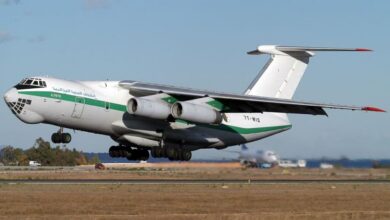
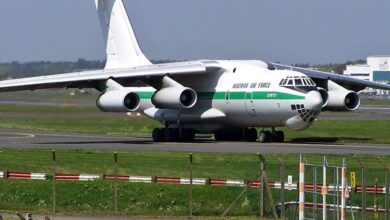
According to reports published on November 14, 2026, the Sudanese army received a shipment of Russian weapons that passed through Boufarik military airport. The accounts referred to Algerian logistical assistance that allegedly enabled the facility to serve as a transit point. The published information, however, did not provide sufficient detail to establish the shipment’s size, the types of weapons involved or the authority that issued the necessary permits.
If confirmed, this account would reveal a clear contradiction between Algeria’s declared diplomatic position and its actions, particularly if it were established that Algeria provided direct logistical support to a military actor fighting an internal war.
Algerian-Russian Relations and the Risk of Their Use in African Conflicts
Military cooperation is a recognised pillar of bilateral relations between Algeria and Russia. It encompasses arms supplies, training, maintenance and military modernisation.
Investigations by Defense News identified intensive Russian cargo flight activity to Algeria, recording 167 flights between March 2025 and April 2026. They also raised the possibility that Algerian territory was being used within a Russian logistics network reaching different parts of Africa.
It is therefore essential to distinguish legitimate military cooperation between two states from its possible use to supply parties to armed conflicts. Algeria’s strategic relationship with Moscow does not, in itself, prove support for Sudan’s army. Any verified facilitation of arms transfers to Sudan, however, would constitute a separate issue requiring clarification and political accountability.
Algeria’s geographical position also gives it significance within military transport networks crossing North Africa. The use of its airports and military facilities consequently carries implications beyond bilateral considerations.
Can Algeria Combine Mediation with Support for a Military Actor?
Successful mediation rests on trust, and trust requires avoiding practices that could be interpreted as military alignment.
If Algeria were proven to have facilitated Russian arms shipments to Sudan’s army, other parties to the conflict could view its political role as unbalanced, even if it continued to affirm its support for a peaceful settlement.
This concerns not only the position the Rapid Support Forces might take, but also how Sudanese civilian forces and regional and international organisations perceive Algeria’s role.
Any state seeking to participate in mediation must also provide clear assurances that it is not using its military facilities or foreign relationships to alter the balance of power on the ground.
Sudan Must Not Become an Arena for Expanding Military Influence
Sudan’s war has become entangled in international and regional interests, complicating prospects for a comprehensive political settlement.
Amnesty International reports indicate that weapons enter Sudan through multiple routes and that tracing the origins and supply chains of some equipment presents major challenges.
Against this backdrop, the emergence of potential new routes through North Africa raises concerns that the conflict could become a prolonged war sustained by continued foreign supplies.
No state can disregard the humanitarian consequences of such interventions, particularly as Sudanese civilians endure fighting, displacement and the collapse of essential services.
The Real Test of Algeria’s Position
Algeria now needs to clarify the allegations concerning Boufarik airport and establish the accuracy of reports that a Russian arms shipment passed through its military facilities on its way to Sudan.
If the reports are incorrect, explanations supported by data would put speculation to rest. If they are accurate, Algeria must explain the nature of its role and the grounds on which it authorised the operation.
The challenge concerns not Algeria’s relations with Moscow, but the consistency of its foreign policy with the principles of non-interference and support for peaceful settlements.
Mediation is more than a political declaration. It is a responsibility requiring neutrality and transparency. Any verified military involvement in arms supply routes sustaining Sudan’s conflict would put the credibility of that role to a particularly difficult test.